Email Us

Lug Type Butterfly Valve Vs Wafer Type

Lug type butterfly valve vs wafer type: which one saves your system from costly downtime?

For plant engineers and procurement managers in water treatment, HVAC, and fire protection — stop guessing between lug & wafer. Get the technical clarity you need to spec the right valve for dead-end service, pressure rating, and maintenance access.

📩 Get Free Quote in 24h — OEM/ODM ready

✓ Free sample available ✓ Fast delivery ✓ 10+ years of valve engineering

⚠️ The real cost of choosing the wrong butterfly valve

  • System leakage & safety hazards — Using a wafer type valve where dead-end service is required can cause flange separation and catastrophic leaks. A 2023 industry report shows 18% of unplanned shutdowns in water utilities are linked to incorrect valve selection.
  • Hidden maintenance & replacement costs — Wafer valves are trapped between flanges; removing them means depressurizing the entire line. That can cost $2,000–$7,000 per hour in lost production for a mid-size processing plant.
  • Overspending on unnecessary features — Many buyers default to lug valves “just to be safe” — but a wafer type with proper support is perfectly adequate for simple isolation, saving 25–40% on valve cost and 30% on shipping weight.
  • Procurement delays due to wrong specs — 43% of valve RFQs from US distributors require re-spec within the first week because lug vs wafer confusion leads to incorrect flange drilling and face-to-face dimensions.
  • Compliance risk in fire protection & potable water — NFPA 24 and AWWA C504 have specific requirements for dead-end service. A wafer valve installed on a fire main riser can fail inspection — delaying project handover by weeks.

Bottom line: The lug vs wafer decision is not just about price — it directly impacts safety, maintenance, and project timeline. Let’s settle it once and for all.

🔧 Lug vs Wafer: what’s the real difference? (Engineered for decision-makers)

Both lug type and wafer type butterfly valves are quarter-turn valves used for on-off and throttling in industrial piping. The key difference lies in how they connect to the pipe flanges and whether they can support dead-end service (i.e., removing one side of the pipe while the valve stays in place).

✅ Lug type butterfly valve

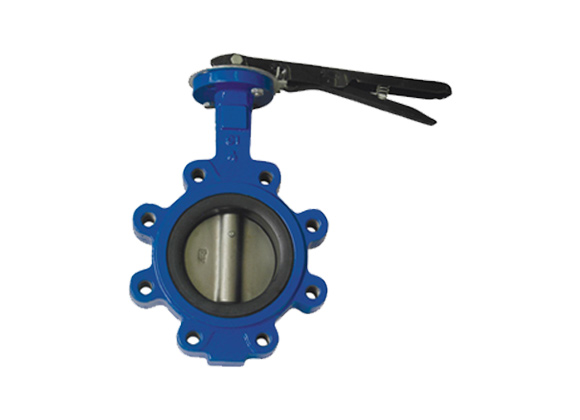
  • Threaded inserts (lug) on both faces — bolts thread directly into the valve body, allowing it to be mounted independently.
  • Dead-end service rated — can isolate downstream pressure without a mating flange on the other side. Ideal for end-of-line applications.
  • Easier maintenance — remove one side of the piping without disturbing the valve or the opposite pipe.
  • Higher weight & cost — typically 30–50% heavier than wafer due to the lug housing.
  • Common in fire protection, industrial process, and chemical plants where section isolation is needed.

✅ Wafer type butterfly valve

  • No threaded inserts — the valve is clamped between two pipe flanges with long bolts running through the entire assembly.
  • Not designed for dead-end service — requires both flanges for secure positioning; can’t hold pressure on one side alone.
  • Lightweight & compact — up to 40% lighter than lug, reducing structural load on piping and saving shipping cost.
  • Lower cost — typically 15–30% cheaper than lug for the same size and pressure class.
  • Widely used in HVAC, water distribution, and low-pressure general services where both flanges are always present.

When to choose lug vs wafer — quick decision matrix

  • Choose Lug if: You need dead-end service, end-of-line isolation, or frequent maintenance on one side. Required for fire protection risers (NFPA 24) and toxic fluid isolation.
  • Choose Wafer if: Your system has both flanges permanently installed, the service is non-critical, and you prioritize cost and weight savings. Ideal for clean water, HVAC isolation, and general industrial duty.

📊 Technical specifications: lug vs wafer butterfly valve

Parameter Lug Type Butterfly Valve Wafer Type Butterfly Valve
Dead-end service ✅ Yes (rated up to full pressure class) ❌ No (requires both flanges)
Bolt connection Threaded inserts — bolts thread into valve body Through-bolts — bolts pass through the valve and both flanges
Face-to-face (ISO 5752) Series 14 (short) or Series 13 (long) Series 20 (short) or Series 14 (long)
Pressure rating ANSI 150 / 300 / 600, PN10/16/25/40 ANSI 150 / 300, PN10/16/25
Size range 2″ – 48″ (DN50 – DN1200) 2″ – 48″ (DN50 – DN1200)
Temperature range -20°C to +200°C (depending on seat material) -20°C to +200°C (depending on seat material)
Material options DI (GGG50), WCB, CF8/CF8M, , 316L, Duplex DI (GGG50), WCB, CF8/CF8M, 316L, Duplex
Seat material EPDM, NBR, PTFE, Viton® EPDM, NBR, PTFE, Viton®
Actuation Lever, gearbox, pneumatic, electric Lever, gearbox, pneumatic, electric
Compliance ISO 9001, CE, RoHS, AWWA C504, API 609 ISO 9001, CE, RoHS, AWWA C504, API 609

lug type vs wafer butterfly valve lug vs wafer style butterfly valve lug vs wafer butterfly valve
🏭 Application scenarios — where each valve shines

  • Fire protection risers (NFPA 24): Lug type is mandatory for sectional control and dead-end service. A wafer valve would fail inspection.
  • Potable water distribution (AWWA C504): Both are used, but lug is preferred at pump discharge and end-of-line points for isolation without draining the entire line.
  • HVAC chiller plant: Wafer valves are common on secondary loops where both flanges are fixed. Lightweight and cost-effective.
  • Chemical processing (toxic / hazardous fluids): Lug type with PTFE seat and dead-end capability allows safe maintenance of one side.
  • Oil & gas gathering lines: Lug valves with gearbox and limit switches are used for remote isolation on piggable sections.
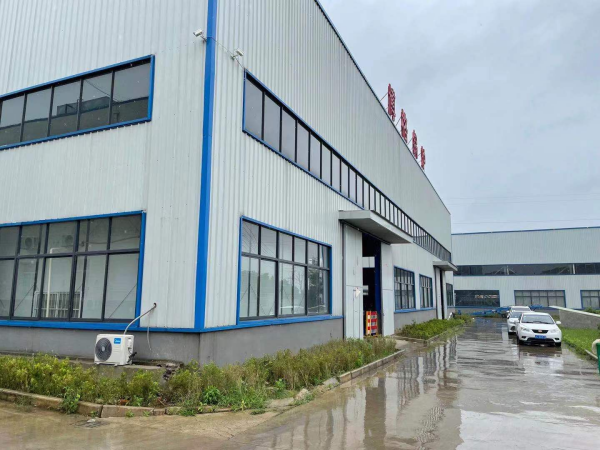
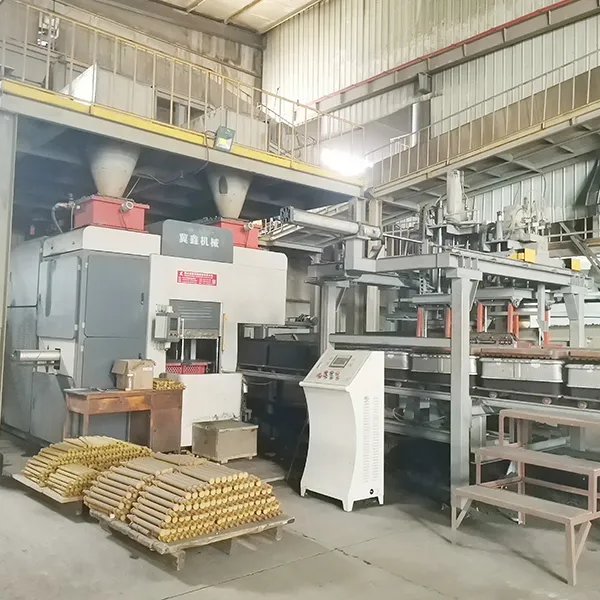
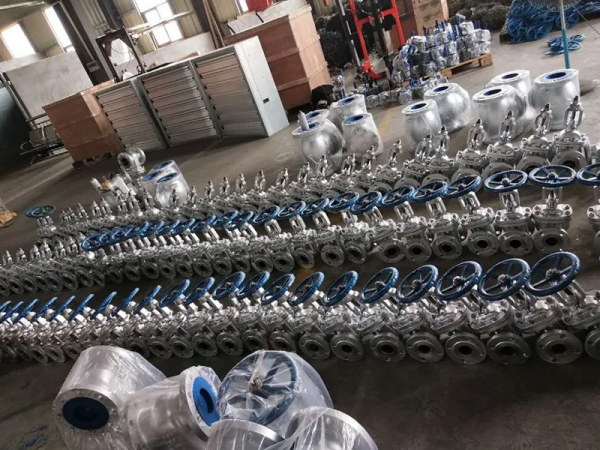
Thriveon valve factory production line for lug type butterfly valves Wafer type butterfly valve assembly workshop at Thriveon Quality inspection and pressure testing of butterfly valves

❓ Frequently asked questions — lug type butterfly valve vs wafer type

1. Can a wafer butterfly valve be used for dead-end service?
No. A wafer type butterfly valve is designed to be clamped between two pipe flanges and relies on both flanges for proper sealing and positioning. Using it for dead-end service (removing one side of the piping) can cause the valve to shift or the flange to separate, leading to leakage or system failure. For dead-end applications, always choose a lug type butterfly valve.
2. Is a lug type butterfly valve more expensive than a wafer type?
Yes, typically 15–30% more expensive due to the additional machining required for the threaded lug inserts and the heavier body casting. However, the cost difference is often justified by the maintenance flexibility and dead-end capability. For non-critical isolation where both flanges are always present, a wafer valve offers better value.
3. Can I use a wafer valve in a fire protection system?
In general, fire protection risers (NFPA 24) require lug type valves for sectional control because they need dead-end service capability. Wafer valves may be used in limited non-critical fire protection branches where both flanges are always connected and dead-end is not required — but always check local code requirements. Thriveon recommends consulting with your fire protection engineer.
4. What are the shipping cost differences between lug and wafer valves?
Wafer valves are 30–40% lighter than lug valves of the same size, which translates to significant freight savings — especially for sea freight. For example, a 10″ wafer valve weighs ~28 kg, while the lug version weighs ~46 kg. For a 40′ container, this can mean 15–20% more units per container with wafer valves, reducing per-unit shipping cost.
5. How do I specify the correct lug or wafer valve for my order?
You need to provide: 1) Size & pressure class (e.g., 6″ ANSI 150), 2) End connection (lug or wafer), 3) Body material (ductile iron, WCB, stainless steel), 4) Seat material (EPDM, PTFE, NBR), 5) Actuation type (handle, gearbox, pneumatic, electric), 6) Compliance required (AWWA, API, CE). Thriveon’s engineering team can help you confirm the correct spec — just send your inquiry.
6. Do you offer OEM/ODM customization for lug and wafer valves?
Absolutely. Ningjin Thriveon Valve Co., Ltd. provides full OEM/ODM services, including custom face-to-face dimensions, special bolt-hole patterns, non-standard pressure ratings, and private labeling. Our minimum order quantity for custom specs is typically 50–100 units, depending on size. Contact us with your drawing or specification for a customized quote.
7. What is the typical lead time for lug and wafer butterfly valves?
For standard sizes (2″–12″) in ductile iron with EPDM seat, lead time is 15–25 working days. For larger sizes (14″–48″) or stainless steel / special materials, lead time is 30–45 working days. Rush orders (partial shipment within 10 days) are available for established customers. We ship via FOB Tianjin or CIF to your nearest port.
8. What payment methods do you accept for US and international buyers?
We accept T/T bank transfer (30% deposit + 70% before shipment), L/C at sight (for large orders), and for established US/EU customers, net 30 terms are available up to $50,000 after credit review. We also accept PayPal for sample orders under $2,000. All payments are handled through our Hebei headquarters with full invoicing and customs documentation.

🚀 Stop guessing — get the exact lug or wafer valve for your project

Free sample for qualified buyers · 24h technical response · OEM/ODM ready · ISO 9001 & CE certified

📩 Get Free Quote in 24h

📞 Call / WhatsApp: +86-311-86935302 · ✉️ info@thriveonvalve.com

10 Wafer Butterfly Valve

30-day money-back guarantee on sample orders · All valves fully tested before shipment

Photo of James Whitfield, Senior Valve Engineer
James Whitfield — Senior Valve Engineer & Industry Analyst

With 14 years in fluid handling and valve specification, James has worked with EPC contractors and municipal water authorities across 20+ countries. He leads technical training for Thriveon’s global clients and has authored guides on valve selection for AWWA, NFPA, and API standards. His focus is bridging the gap between Chinese manufacturing capability and international quality expectations.

Ningjin Thriveon Valve Co., Ltd. · South of Huanmadian Village Town, Ningjin County, Xingtai, Hebei, China · www.thriveonvalves.com

📞 +86-311-86935302 · ✉️ info@thriveonvalve.com · Contact page

© 2026 Thriveon Valve. All rights reserved. Privacy policy available upon request. All valve specifications are nominal and subject to engineering tolerances.


Related Products