Apr . 09, 2026 03:16
In the complex world of fluid dynamics and process engineering, the role of industrial valves is absolutely critical. These mechanical devices act as the "gatekeepers" of a piping system, allowing operators to start, stop, and regulate the flow of liquids, gases, and slurries. Whether it is a high-pressure chemical plant or a municipal water treatment facility, the reliability of these components directly impacts safety, environmental compliance, and operational uptime. Selecting the right valve is not just a technical requirement—it is a strategic decision that prevents costly downtime and hazardous leaks. In this guide, we will explore the diverse types of valves and how to optimize your system's performance.
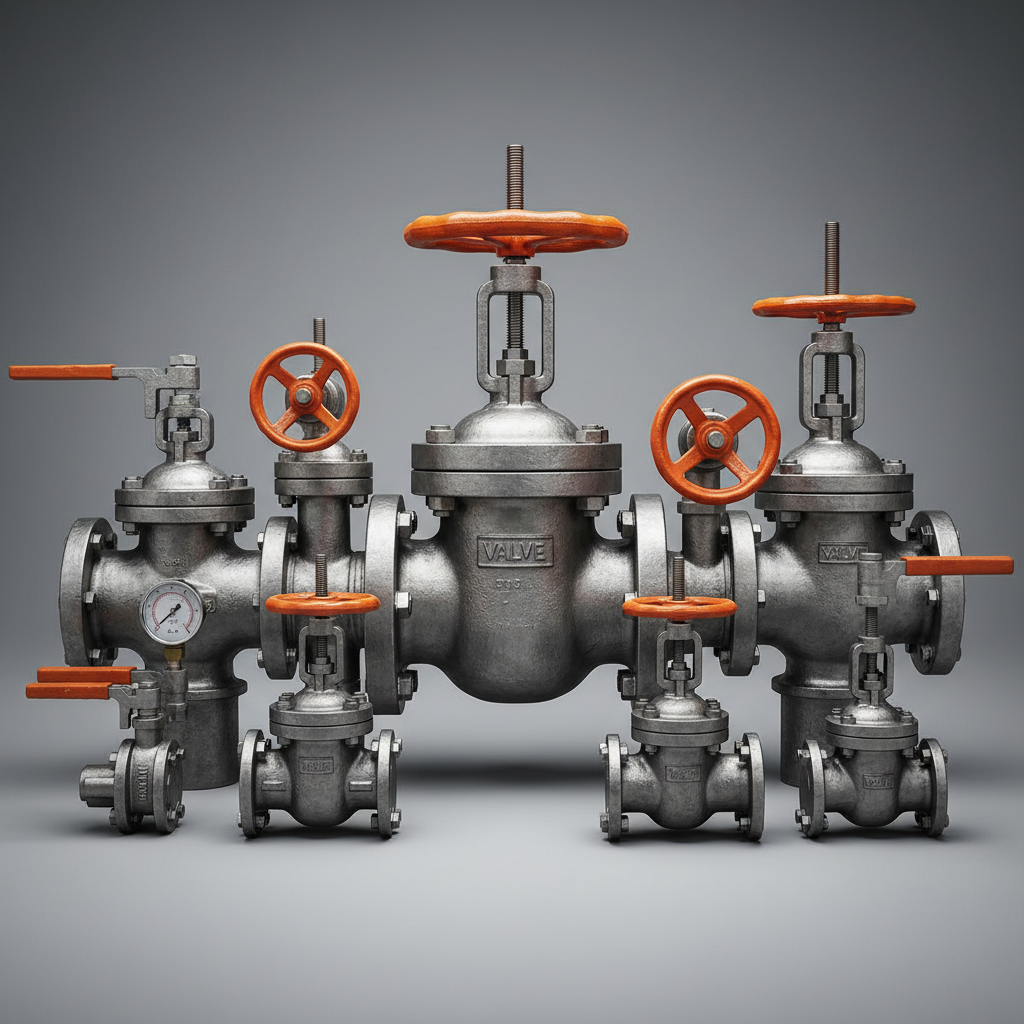
Understanding the different categories of industrial valves is the first step toward system optimization. Generally, valves are classified by their function: isolation, regulation, or non-return. Ball valves are widely prized for their quick quarter-turn operation and tight shut-off capabilities. Gate valves, on the other hand, are designed primarily for on/off service, offering minimal flow resistance when fully open. For precision throttling, Globe valves are the industry standard, allowing for fine-tuned flow control. Meanwhile, Check valves ensure that fluid flows in only one direction, preventing backflow that could damage pumps or contaminate processes. Each type serves a specific purpose depending on the viscosity of the medium and the pressure of the system.
Pro Tip: When choosing between a gate valve and a globe valve, remember that gate valves are for isolation (open or closed), while globe valves are for regulation (adjusting flow rate).
Not all environments are created equal. In sectors like oil and gas or pharmaceutical manufacturing, industrial valves must withstand extreme temperatures, corrosive chemicals, and immense pressure. Material selection becomes the most critical factor here. Stainless steel is commonly used for its corrosion resistance, while alloys like Hastelloy or Monel are employed for highly aggressive acidic environments. Furthermore, the sealing material—whether it be PTFE, Graphite, or Viton—must be compatible with the fluid being transported to prevent degradation and leakage. Investing in high-grade materials reduces the frequency of replacements and enhances the overall safety profile of the facility.
To make an informed procurement decision, it is helpful to compare the most frequently used industrial valves side-by-side. While a ball valve offers speed, a globe valve offers control, and a gate valve offers maximum flow. The choice depends on whether your priority is the speed of operation, the precision of the flow, or the minimization of pressure drop across the valve. The following table provides a clear technical comparison to help you determine which valve fits your specific operational needs.
The shift toward Industry 4.0 has revolutionized how industrial valves are operated. Manual handwheels are increasingly being replaced by actuators. Pneumatic actuators use compressed air to move the valve, offering fast response times and reliability in explosive environments. Electric actuators provide precise positioning and are easily integrated into a centralized SCADA or PLC system for remote monitoring. This automation not only reduces human error but also allows for real-time adjustments based on sensor data, significantly increasing the safety and efficiency of the entire production line.
To ensure the long-term reliability of industrial valves, a proactive maintenance strategy is essential. Common issues such as seat erosion, stem leakage, and actuator failure can be avoided through regular inspections. Implementing a Preventative Maintenance (PM) schedule—including lubrication of moving parts and pressure testing—prevents catastrophic failures. In critical systems, predictive maintenance using acoustic emission sensors can detect internal leaks long before they become visible, allowing for scheduled repairs rather than emergency shutdowns.
Selecting the right industrial valves is a cornerstone of operational excellence. From ensuring a tight seal in hazardous environments to automating flow control via advanced actuators, the quality of your valves determines the reliability of your entire infrastructure. By prioritizing material compatibility and adhering to a strict maintenance schedule, companies can maximize their ROI and guarantee a safer working environment. When in doubt, always consult with experts to ensure your valve specifications align perfectly with your process requirements.
Choosing the right material depends on the chemical composition of the fluid, the operating temperature, and the system pressure. For general use, carbon steel is cost-effective and strong. For corrosive environments, stainless steel (304 or 316) is the standard. If you are dealing with extreme chemicals like sulfuric acid, exotic alloys like Hastelloy are required. Always check the compatibility chart between the fluid and the valve body/seat material to avoid premature corrosion or failure.
Soft-seated valves use an elastomer (like PTFE or EPDM) to create a bubble-tight seal, which is ideal for low-to-medium temperature applications. Hard-seated valves use metal-to-metal contact (often with specialized coatings like Stellite), making them suitable for high-temperature, high-pressure, or abrasive slurries where a soft seat would be shredded or melted. The choice depends on whether you prioritize a perfect seal or extreme durability.
Cavitation occurs when the pressure of a liquid drops below its vapor pressure, forming bubbles that then collapse violently as pressure rises again. This happens frequently in globe valves during throttling. These implosions create micro-jets of high pressure that pit and erode the valve body and trim, leading to noise, vibration, and eventual failure. To prevent this, engineers use anti-cavitation trim or multi-stage pressure drops to keep the fluid pressure above the vapor point.
In many cases, yes. Most industrial valves are designed with standard mounting pads (like ISO 5211) that allow an actuator to be bolted directly onto the valve stem. However, you must ensure the existing valve is compatible with the torque requirements of the actuator. If the valve is too old or lacks a mounting flange, you may need to replace the valve body to ensure a secure and reliable automation setup.
Related Products
 Call us on:
+86-311-86935302
+86-311-86935302
Call us on:
+86-311-86935302
+86-311-86935302
 Email Us:
info@thriveonvalve.com
Email Us:
info@thriveonvalve.com South of Huanmadian Village Town, Ningjin County, Xingtai, Hebei Province, China