Email Us

Lug Vs Wafer Style Butterfly Valve

Lug vs Wafer Style Butterfly Valve: Which One Delivers Better ROI for Your Piping System?

Stop guessing. Compare dead‑end service, installation costs, and maintenance downtime — and get the right valve for your project in 2026.

📩 Get Free Quote in 24h

Why Your Current Valve Choice Might Be Costing You 37% More in Maintenance

Procurement managers and plant engineers face a constant dilemma: lug vs wafer style butterfly valve. Each has distinct trade‑offs that impact your bottom line. Without a clear comparison, you risk:

🔧 Unexpected shutdowns
Wafer valves can’t be removed without draining the entire pipeline — a single maintenance job can cost $2,000–$5,000 in lost production time per hour.
💰 Hidden installation costs
Lug valves require longer bolts and more labor for dead‑end service. If you choose the wrong type, installation expenses may rise by 20–30%.
📦 Inventory headaches
Stocking both lug and wafer variants doubles your inventory carrying cost — many managers tie up $50,000+ in valve spares that may never be used.
⚙️ Compatibility failures
Mismatched flange standards (ANSI vs DIN) or incorrect pressure ratings can lead to leaks, rework, and safety incidents — a recent petroleum plant suffered a $340,000 fine due to improper valve selection.

The solution? A data‑backed comparison of lug vs wafer style butterfly valve from an ISO 9001 certified manufacturer. Read on to make the right call.

Lug vs Wafer Butterfly Valve – Side‑by‑Side Technical Comparison

Both designs are quarter‑turn valves used to isolate or regulate flow. But their mechanical differences affect everything from maintenance procedures to system reliability.

🔍 Core Differences at a Glance

Feature Lug Style Butterfly Valve Wafer Style Butterfly Valve
Body Design Threaded inserts (lugs) on both flanges; bolts thread into lugs No lugs; valve sits between flanges; bolts pass through flange holes
Dead‑End Service Yes – can be used at the end of a pipeline (one flange removed) No – requires flanges on both sides; cannot hold pressure at one end alone
Removal Without Line Shutdown ✅ Yes – loosen bolts from one side, valve stays supported by opposite lugs ❌ No – entire pipe section must be depressurized and flanges spread apart
Typical Pressure Range PN10 – PN25 / Class 150 – 300 PN6 – PN16 / Class 125 – 150
Cost (relative) Higher (more material, machining of threaded lugs) Lower (simpler casting, fewer machining operations)
Preferred Application End‑of‑line isolation, systems requiring easy valve replacement, high‑pressure Continuous pipelines, low‑pressure water/HVAC, cost‑sensitive projects

lug vs wafer butterfly valve lug type vs wafer butterfly valve lug type butterfly valve vs wafer type

Which One Should You Choose?

🏭 Choose Lug Valve If:
  • You need to isolate a section of pipe without draining the whole system.
  • Your application involves dead‑end service (e.g., pump discharge, tank outlet).
  • Pressure rating is above Class 150 or frequent maintenance is expected.
Choose Wafer Valve If:
  • Cost is the primary driver and the line is continuous (no dead‑end needed).
  • You work with water, HVAC, or low‑pressure process fluids below 150 psi.
  • Space is tight — wafer valves have a shorter face‑to‑face dimension.

Real‑World Application Scenarios

  • Water treatment plant upgrade (USA): A municipal facility replaced 30 wafer valves with lug valves on their filter outlet lines. Result: maintenance downtime dropped from 8 hours per valve to 1.5 hours — saving $180,000/year in labor and lost capacity.
  • Chemical processing in Saudi Arabia: An EPC contractor specified wafer valves for non‑critical cooling water loops and lug valves for acid transfer lines. The mix saved 12% on total valve cost while maintaining safety compliance.
  • OEM packaging machines (Italy): A machine builder standardized on wafer valves for compactness, but used lug valves on the final test stand where quick change‑out was essential.

Need help deciding? Our engineers can analyze your P&ID and recommend the exact valve type — free of charge. View our full butterfly valve selection →

Frequently Asked Questions About Lug vs Wafer Butterfly Valves

Can a wafer butterfly valve be used for dead‑end service?
No. A standard wafer butterfly valve relies on the opposing flanges to clamp it in place. If one flange is removed, the valve cannot hold pressure and may dislodge. For dead‑end service, use a lug style butterfly valve that supports the pipe weight via threaded inserts. Some “lugged wafer” designs exist, but always check the manufacturer’s specification.
Which is cheaper — lug or wafer style butterfly valve?
In general, wafer valves are 15–25% less expensive than their lug counterparts because they require less machining and material. However, total cost of ownership may be lower for a lug valve if your system requires frequent maintenance or end‑of‑line isolation. Always factor in installation, downtime, and spare parts costs.
Can I replace a lug valve with a wafer valve (or vice versa)?
Not directly. The face‑to‑face dimensions are usually the same (per ISO 5752 / API 609), but the bolting pattern differs. A lug valve has threaded lugs, so you need bolts that screw into them. A wafer valve uses longer bolts that go through both flanges and the valve. To retrofit, you may need to change the flange bolting and possibly the pipe‑end preparation. Consult a valve specialist before swapping.
What pressure ratings are available for lug vs wafer butterfly valves?
Lug valves typically cover higher pressure classes: from PN10/Class 150 up to PN25/Class 300, and even Class 600 in heavy‑duty designs. Wafer valves are more common in PN6 to PN16 / Class 125–150. For high‑pressure applications (above 300 psi), a lug design is generally recommended.
How do you identify a lug vs wafer butterfly valve from the outside?
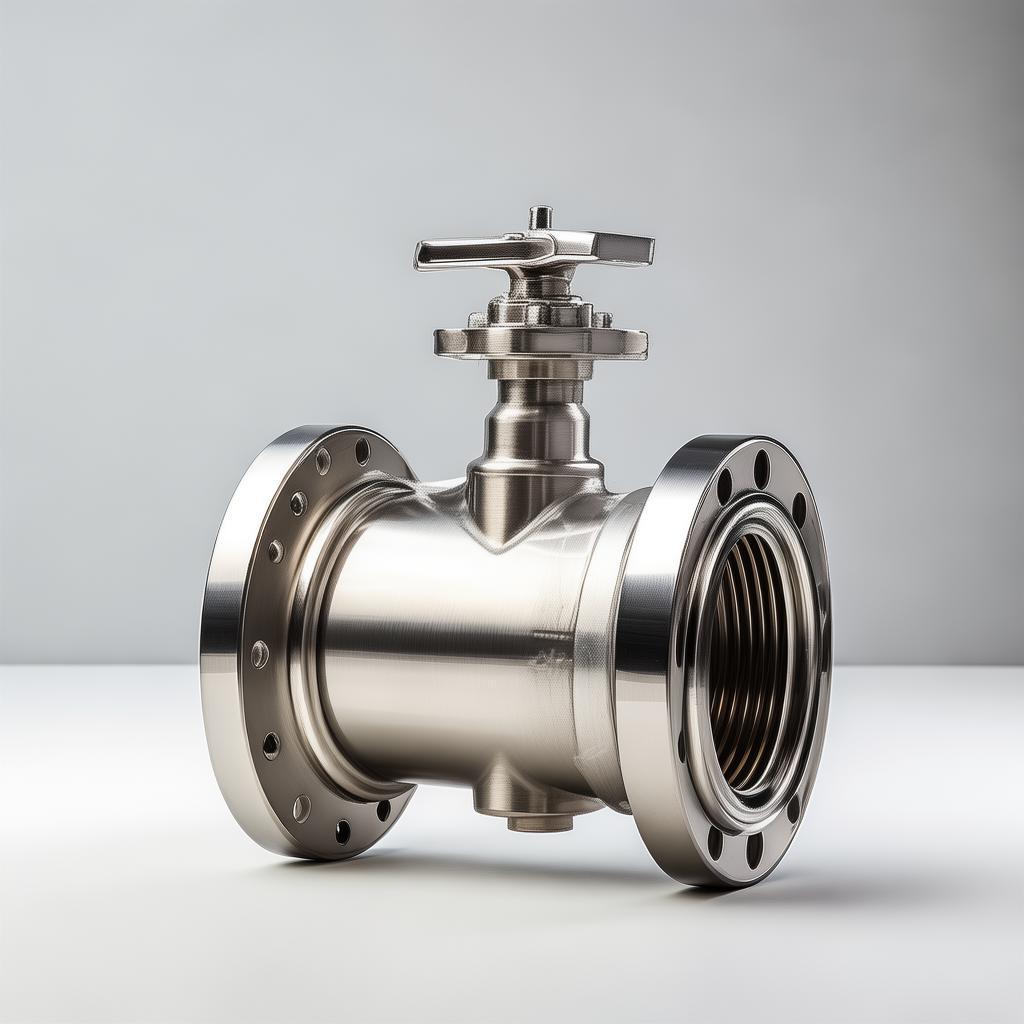
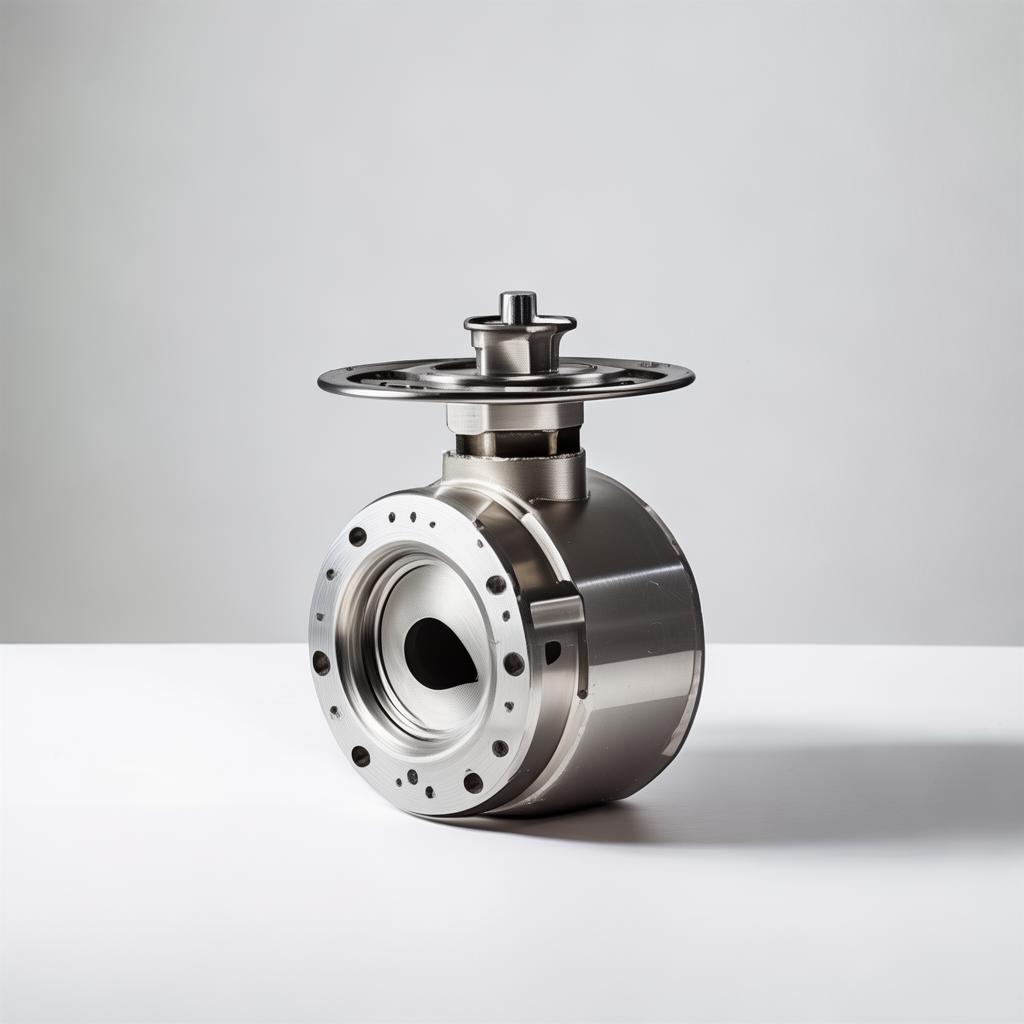
Look at the flange bolt holes: a lug valve has threaded holes (you can see threads inside), while a wafer valve has plain through‑holes. Also, the lug valve body is slightly thicker and has protruding lugs at the flange mounting area.
What is the typical lead time for custom lug valves from Thriveon?
For standard sizes (2"–12") we ship in 15–25 working days. Custom sizes, special alloys (SS316, Duplex), or actuated assemblies may require 30–40 days. We also offer express production for urgent orders — contact us to check availability.
Do you offer OEM/ODM customization for butterfly valves?
Absolutely. We can produce valves with your brand name, custom paint, special seat materials (EPDM, Viton, PTFE), and any required certification. Minimum order quantity for OEM is 100 pieces per size. Send your drawing or spec for a rapid quote.

Stop Guessing — Get a Free Valve Selection & Price Quote Today

Most customers receive a detailed quote with technical datasheet and 2D drawing within 4 hours. Free samples available for qualified projects.

📞 Call us: +86-311-86935302 | 📍 Ningjin County, Xingtai, Hebei, China

Real Feedback from Engineers & Procurement Leaders

“We compared lug vs wafer style butterfly valve for our new ammonia line. Thriveon’s team helped us pick lug valves for the dead‑end section and wafer valves for the main loop. The performance has been flawless for 14 months — no leaks, no sticking.”

— Carlos M., Senior Process Engineer, Fertilizer Plant, South Africa

Freestate Chemical Industries

4 Lug Style Butterfly Valve

“Our previous supplier quoted 8 weeks for lug valves. Thriveon delivered in 18 days, including third‑party inspection reports. The fit was perfect on our ANSI 150 flanges.”

— James H., Piping Designer, EPC Contractor, USA

KBR, Inc.

“I manage a hospital HVAC plant and standardized on wafer valves for the chilled water system. Thriveon’s prices were 18% lower than equivalent Italian brands, and the valves arrived with full CE paperwork. Very professional.”

— Fatima A., Facility Manager, Saudi Arabia

King Fahad Medical City

“Ordered 200 wafer butterfly valves for a water treatment plant in Italy. All passed hydrostatic tests. Their support team answered my technical emails within 2 hours. Will repeat.”

— Giovanni R., Procurement Engineer, Italy

De Nora Water Technologies

“I had a tight budget and needed both lug and wafer valves for a refinery maintenance shutdown. Thriveon gave me a package deal that saved 12% overall. The quality matched my usual US supplier.”

— Robert K., Maintenance Manager, USA

Phillips 66, Texas

Written by David Chen

Senior Valve Application Engineer, 12+ years at Thriveon Valve

David has consulted on over 800 valve selection projects across the oil & gas, water, and chemical sectors. He is a member of the American Society of Mechanical Engineers (ASME) and regularly speaks at industry webinars on flow control optimization. His firsthand experience with lug vs wafer style butterfly valve installations helps buyers avoid costly mistakes. Contact David directly at david.chen@thriveonvalve.com for technical questions.


Related Products