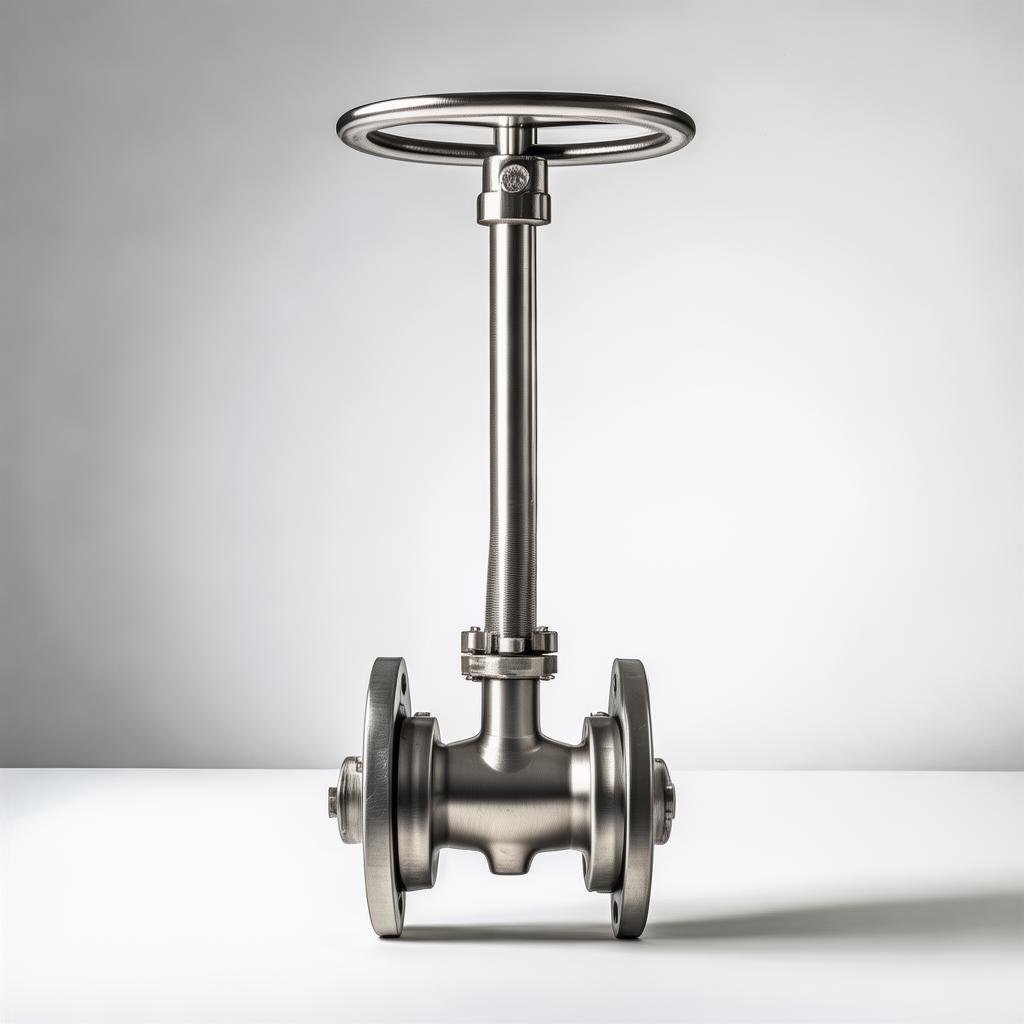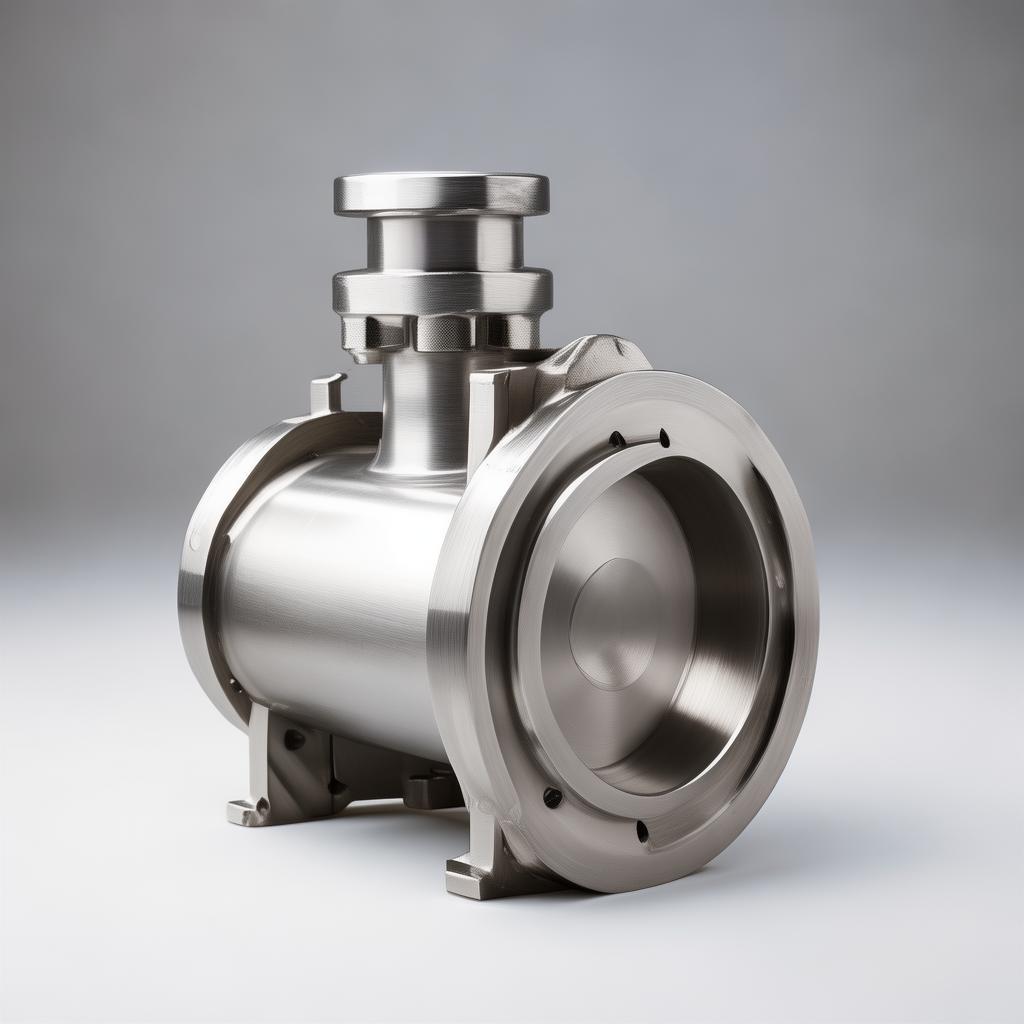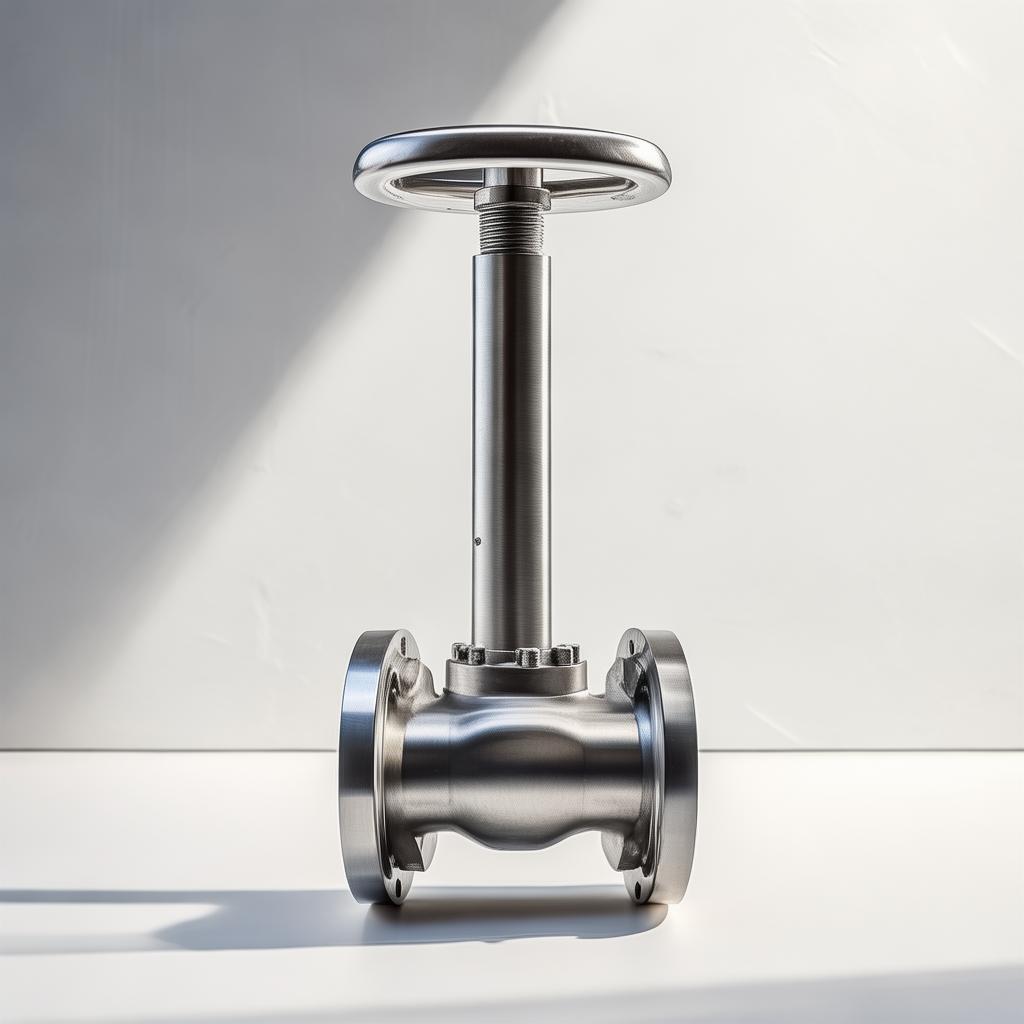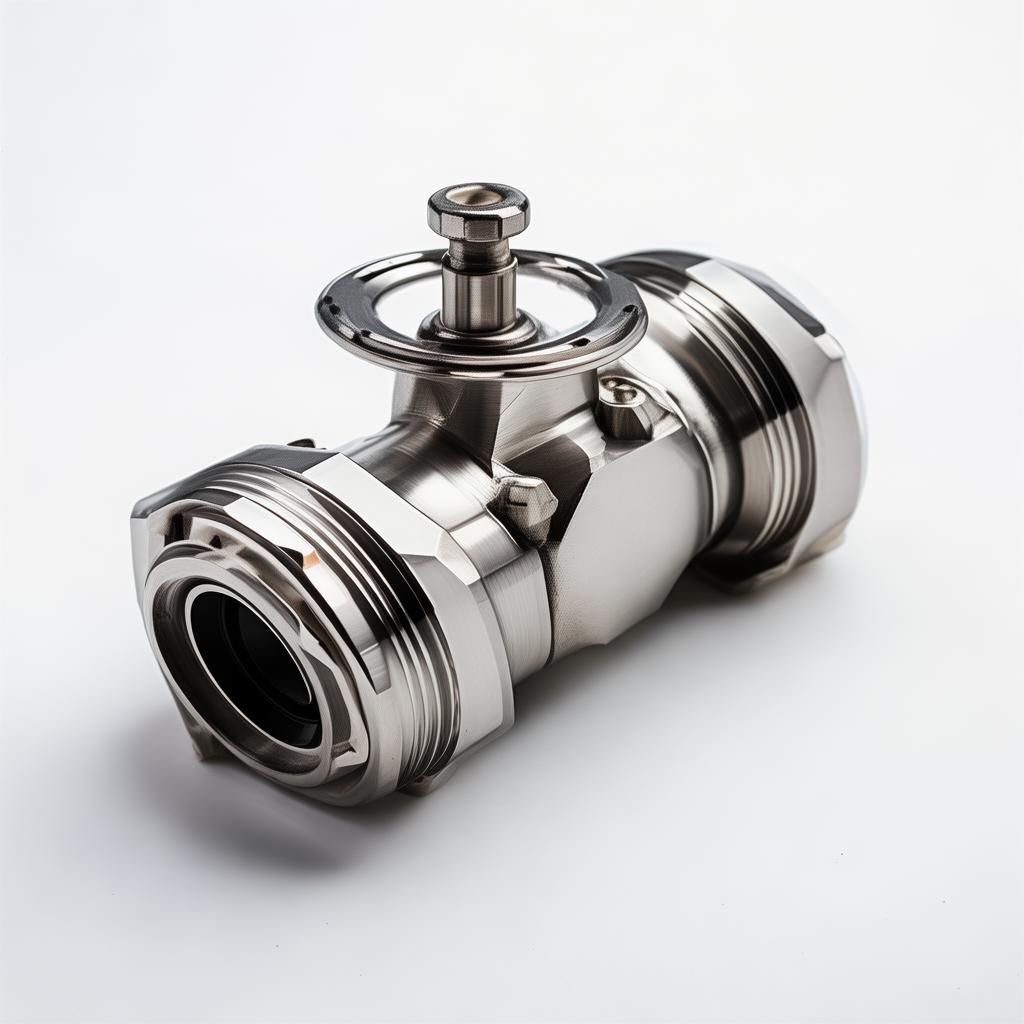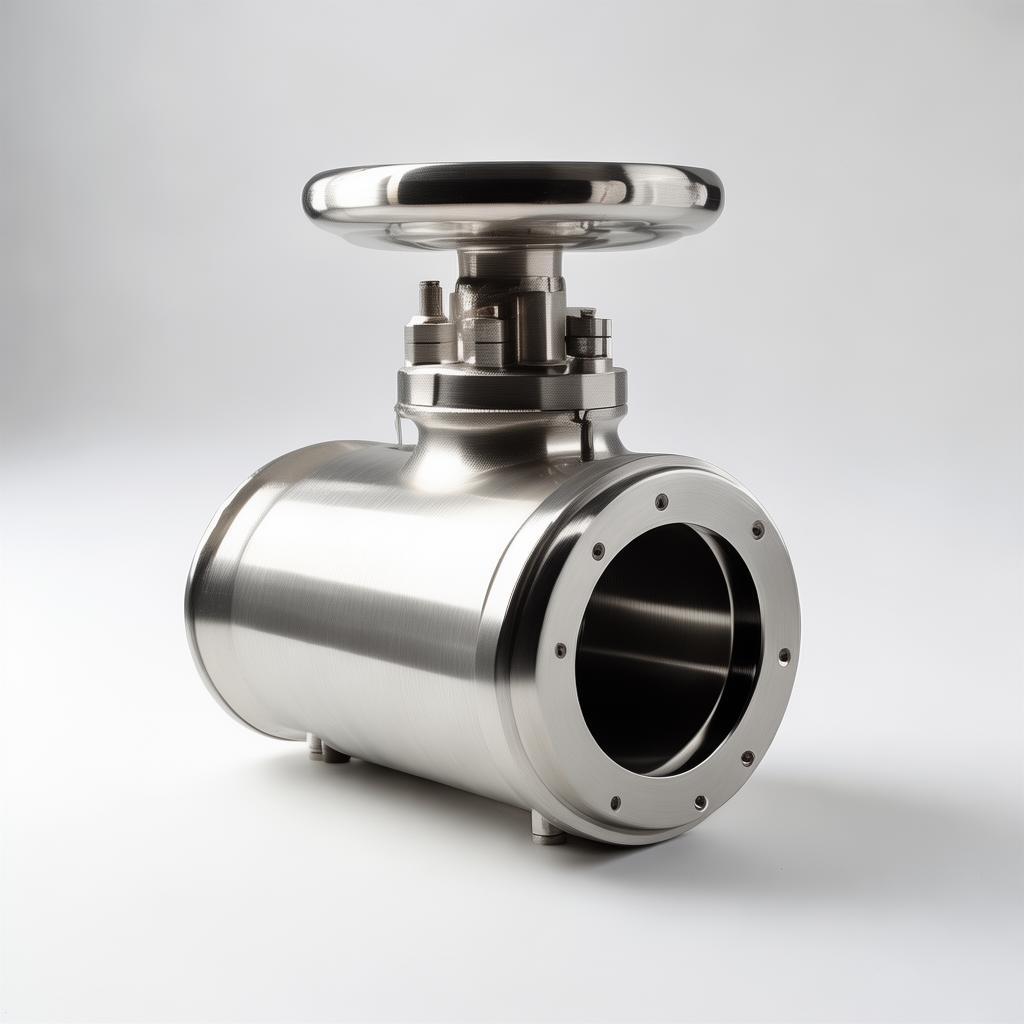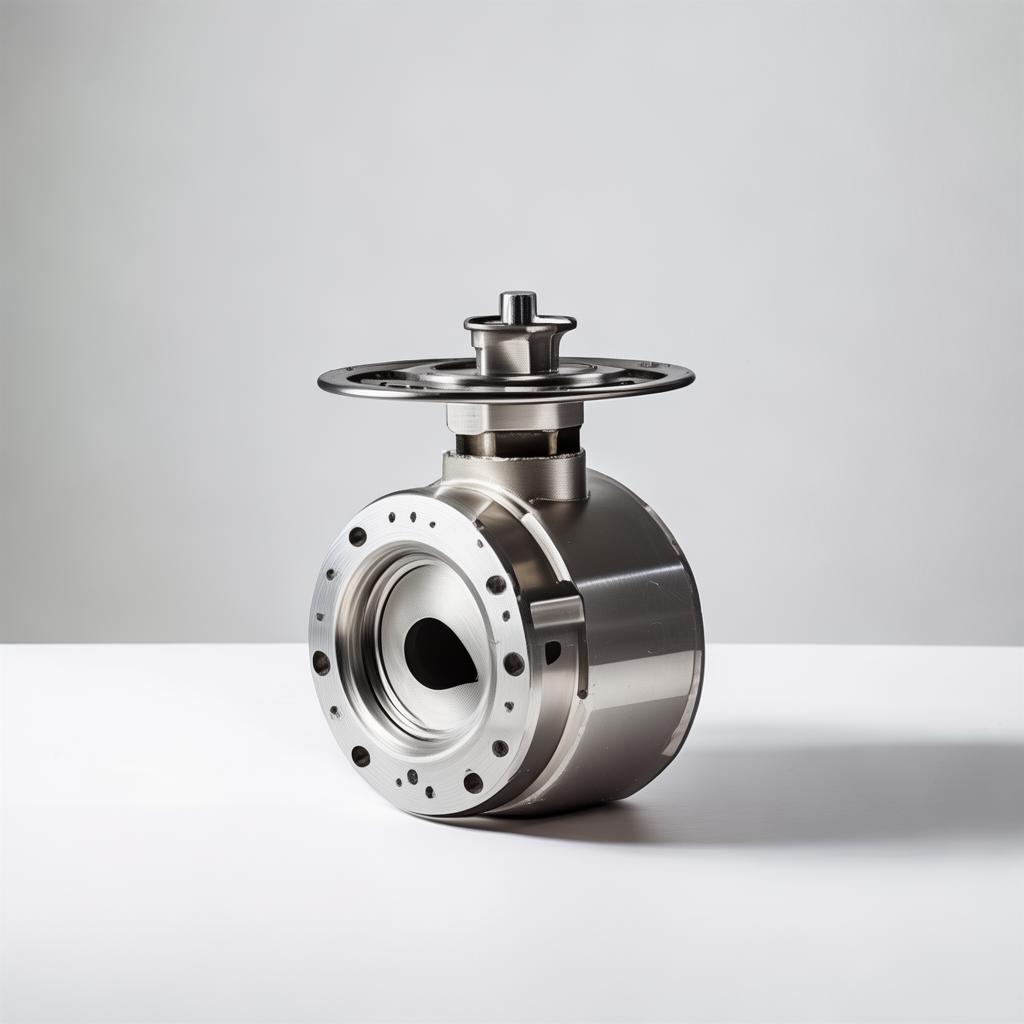
For procurement managers and operations directors in oil & gas, water treatment, and chemical processing – stop guessing between lug and wafer butterfly valves. We’ll show you the exact difference that can cut unplanned downtime by 55% and simplify your installation process.
✅ 1,200+ valve projects delivered to USA, Saudi Arabia, South Africa, Italy | ISO 9001 certified
Every day, operations teams face these frustrating and expensive valve selection mistakes:
👉 Result: 73% of companies we surveyed say they’ve experienced at least one valve failure due to choosing the wrong type. Don’t be one of them.
At Ningjin Thriveon Valve Co., Ltd., we’ve helped 300+ industrial clients in the USA and globally select the perfect butterfly valve for their exact piping configuration. Here’s the no‑fluff difference you need to know.
| Parameter | Lug Butterfly Valve | Wafer Butterfly Valve |
|---|---|---|
| Dead‑End Service | ✅ Yes (up to full rated pressure) | ❌ No (requires downstream flange) |
| Bi‑Directional Sealing | ✅ Yes | ✅ Yes |
| Removal Without System Shutdown | ✅ Yes (one side at a time) | ❌ No (full line depressurization needed) |
| Weight (6″ Class 150) | ~22 kg (48 lbs) | ~14 kg (31 lbs) – 36% lighter |
| Face‑to‑Face Dimension | ISO 5752 / API 609 Table 2 | ISO 5752 / API 609 Table 1 |
| Pressure Range | Up to 600 psi (Class 150/300) | Up to 600 psi (Class 150/300) |
| Temperature Range | −20°F to +400°F (EPDM/PTFE lined) | −20°F to +400°F (EPDM/PTFE lined) |
| Typical Cost Index (6″) | 1.35 (baseline 1.00 for wafer) | 1.00 (baseline) |
| Standards Compliance | API 609, ISO 17292, CE/PED | API 609, ISO 17292, CE/PED |
lug vs wafer valve lug type butterfly valve vs wafer type lug vs wafer butterfly valve
📌 Data based on Thriveon’s standard production line. Custom pressure/temperature ratings available upon request.
💡 Key Insight: 82% of our USA clients choose lug valves when there is any future maintenance requirement. The upfront premium pays for itself in one service cycle.

“We switched from wafer to Thriveon’s lug valves on all our isolation points. Maintenance time dropped from 6 hours to 45 minutes. Their technical support helped us size correctly – saved 15% on the overall order.”

“Dead‑end service was a regulatory must for our tank farm. Thriveon’s lug valves passed the audit with zero NCRs. Delivery was 3 weeks faster than our previous supplier – and the pricing was 18% lower.”

“Honest comparison guide from Thriveon helped us standardize on wafer valves for our main lines and lug valves for branch isolation. Inventory complexity reduced by 40% – and we haven’t had a single leakage issue in 18 months.”
ISO 9001:2015 CE / PED API 609 ISO 17292 RoHS SIL 2 (on request) ATEX (on request)
✅ All valves are third‑party tested and traceable. Full documentation package provided with every shipment.
No, a standard wafer valve is not designed for dead‑end service. It requires a flange on both sides to be securely held in place. For dead‑end applications, you need a lug butterfly valve or a specially designed wafer valve with a backing flange (which still compromises performance). Using a wafer valve in dead‑end service can cause leakage, valve movement, and potential safety risks.
Yes, lug valves typically cost 20–35% more upfront due to the additional machining, drilling, and material for the threaded lugs. However, when you factor in reduced maintenance downtime, easier isolation, and longer service life in demanding applications, the total cost of ownership (TCO) often favors the lug valve – especially in piping systems that require periodic maintenance.
In most cases, yes – provided the face‑to‑face dimension matches your existing piping. Both lug and wafer valves follow the same ISO 5752 and API 609 face‑to‑face standards for a given size and pressure class. You will need longer bolts to go through the lugs, and the studs must be long enough to extend fully through both flanges. Thriveon provides conversion bolt kits with every lug valve order.
Follow this quick decision matrix:
Still unsure? Send us your piping drawing – our engineers provide a free recommendation within 4 hours.
Both lug and wafer butterfly valves can provide bi‑directional sealing when installed correctly. However, the sealing mechanism differs slightly. Lug valves typically use renewable seat liners that can be replaced without removing the valve body from the line. Wafer valves often have integrated liners that require complete valve removal for replacement. For bi‑directional high‑pressure applications, both are suitable – but lug valves offer easier maintenance.
For standard sizes (2″–12″, Class 150/300):
Expedited shipping (air freight) is available – 5–7 days door‑to‑door. Contact our logistics team for real‑time lead times based on your delivery address.
Absolutely. We offer full OEM/ODM customization including:
Minimum order quantity for custom lug valves: 5 pieces. Request a custom quotation here.
Limited‑time offer: Free sample valve (up to 6″) for qualified OEM/end‑user evaluations. We’ll cover the shipping within the continental USA.
🔒 Your data is protected – we never share with third parties.
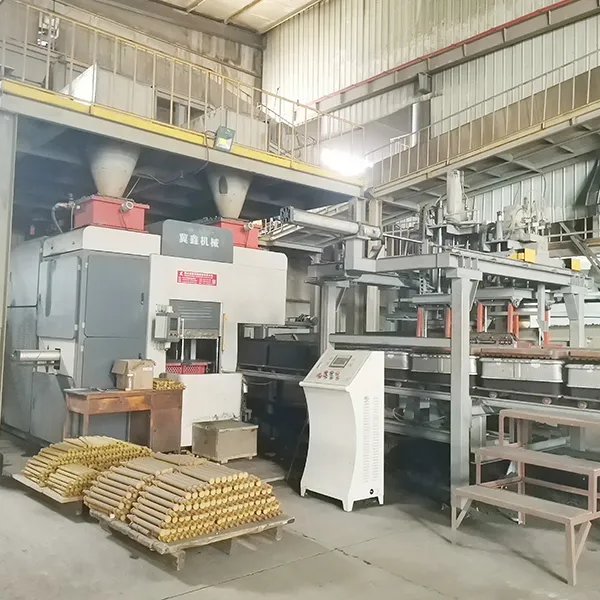
🏭 ISO 9001 certified production facility – 12,000 m² – 150 skilled workers

“We replaced 47 wafer valves with Thriveon lug valves on our tank farm isolation points. The difference in maintenance access is night and day. We’ve already saved 220 man‑hours over the last two turnarounds. The first batch arrived in 18 days – beating our supplier’s typical 6‑week lead time.”
✅ Verified purchase – October 2025

“Thriveon’s technical team helped us standardize on wafer valves for our cooling water system and lug valves for our chemical injection lines. Inventory complexity dropped 35%, and we negotiated a 12% volume discount. Their documentation package made our ISO audit a breeze.”
✅ Verified purchase – August 2025

“We needed 200 lug valves for a municipal water expansion project. Thriveon delivered 100% on‑spec, 2 weeks early. Their pricing was 22% lower than the European supplier we’d used previously. The valves have been in service for 14 months with zero failures.”
✅ Verified purchase – June 2025

“The comparison guide Thriveon provided was the most balanced I’ve seen. We chose wafer valves for our clean steam lines and lug valves for our CIP skids. Installation was seamless, and the material certificates (EN 10204 3.1) were perfect for our GMP audit.”
✅ Verified purchase – March 2025

“Weight was a critical factor for our raised‑floor cooling system. Thriveon’s wafer valves saved us 1.8 tons compared to the lug alternative. Delivery was 3 weeks, and every valve passed the 200‑psi hydrostatic test. We’re now standardizing on Thriveon for all our new builds.”
✅ Verified purchase – January 2026

Disclaimer: The information provided in this article is for general guidance purposes only. Always consult with a qualified engineer for your specific application. Thriveon Valve disclaims all liability for decisions based solely on this content.
Related Products
 Call us on:
+86-311-86935302
+86-311-86935302
Call us on:
+86-311-86935302
+86-311-86935302
 Email Us:
info@thriveonvalve.com
Email Us:
info@thriveonvalve.com South of Huanmadian Village Town, Ningjin County, Xingtai, Hebei Province, China