
For corporate purchasing managers, technical directors, and operations teams in energy, water, and process industries. Stop guessing with gasket selection, torque values, and alignment. Get the exact installation protocol used by 500+ plants — plus factory-direct engineering support.
In over a decade of forensic valve analysis, we’ve seen the same preventable mistakes cause catastrophic downtime, safety incidents, and six-figure repair bills. The lug design offers unique advantages — dead-end service, easier alignment, split-system isolation — but only when installed with precision.
Result: unscheduled shutdowns, inflated total cost of ownership, and strained supplier relationships. There is a better way.
Our engineering team (led by senior specialists with 15+ years in valve design) has distilled best practices from API 609, MSS SP‑25, and thousands of successful field installations. Here’s exactly how we ensure your valve performs from day one.
We provide a complete Installation & Maintenance Manual with every shipment. Our engineers are available for video calls during your first installation.
| Size (inch) | Pressure Rating (PSI) | Torque Range (IN‑LBS)* | Body Material | Disc Material | Dead‑End Capable |
|---|---|---|---|---|---|
| 2″ | 200 (ANSI 150) | 80 – 150 | WCB / CF8M | CF8M / Duplex 2205 | ✅ Yes |
| 4″ | 200 (ANSI 150) | 250 – 400 | WCB / CF8M | CF8M / Duplex 2205 | ✅ Yes |
| 6″ | 200 (ANSI 150) | 500 – 800 | WCB / CF8M | CF8M / Duplex 2205 | ✅ Yes |
| 8″ | 200 (ANSI 150) | 900 – 1400 | WCB / CF8M | CF8M / Duplex 2205 | ✅ Yes |
| 10″ | 200 (ANSI 150) | 1500 – 2200 | WCB / CF8M | CF8M / Duplex 2205 | ✅ Yes |
| 12″ | 200 (ANSI 150) | 2500 – 3200 | WCB / CF8M | CF8M / Duplex 2205 | ✅ Yes |
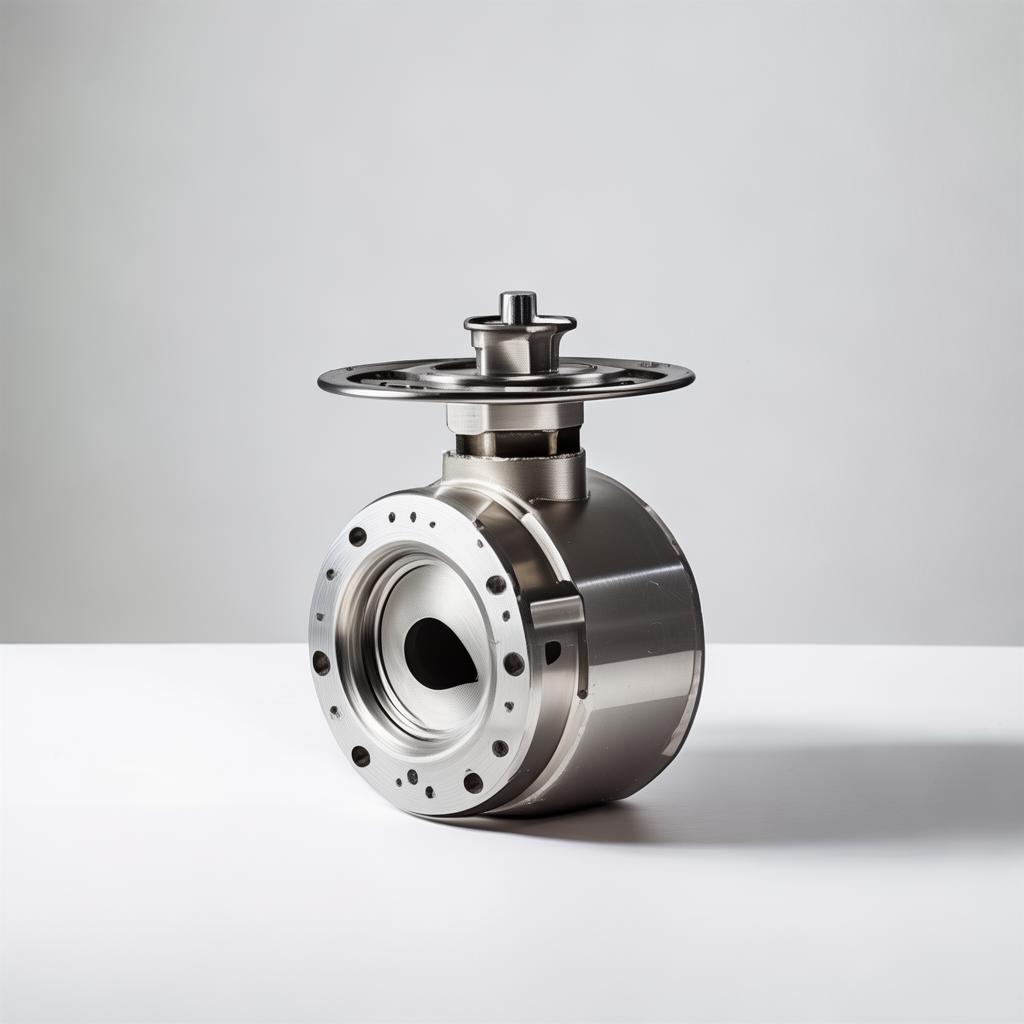
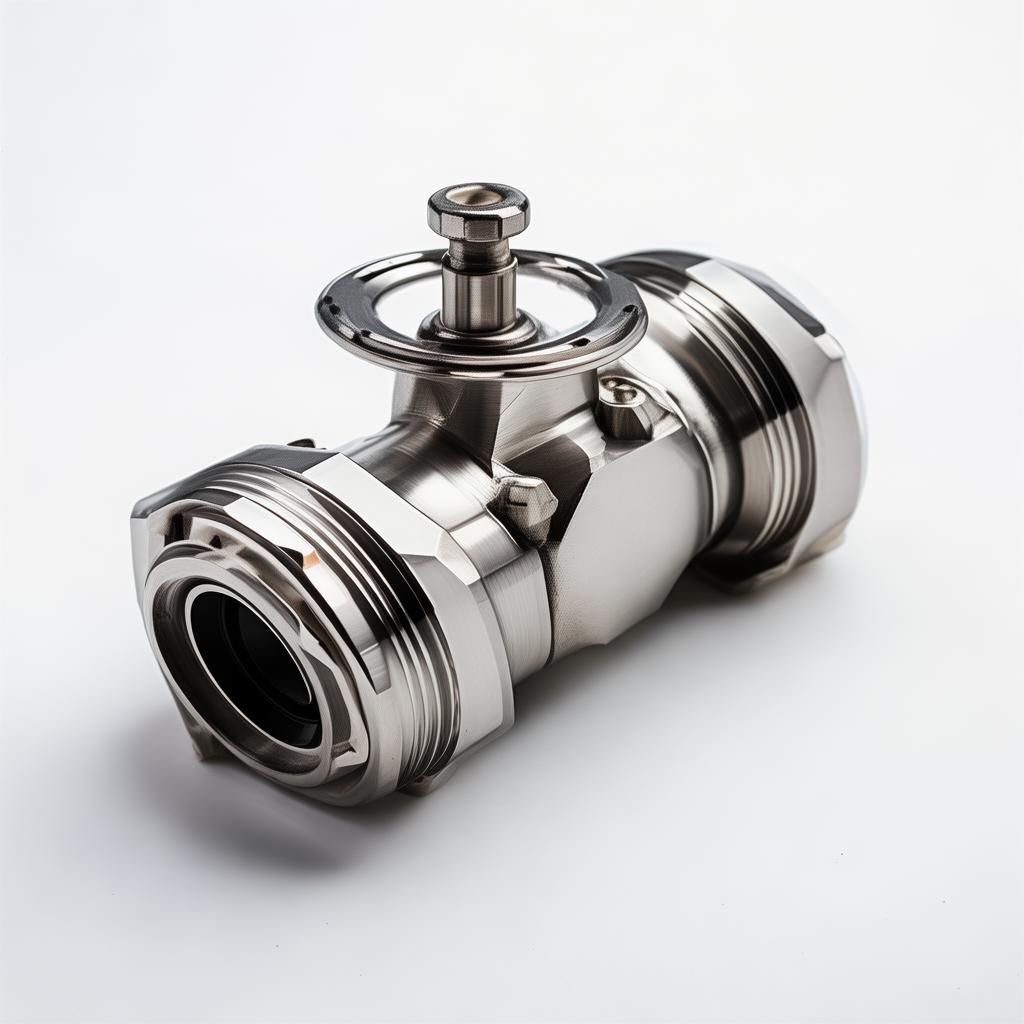
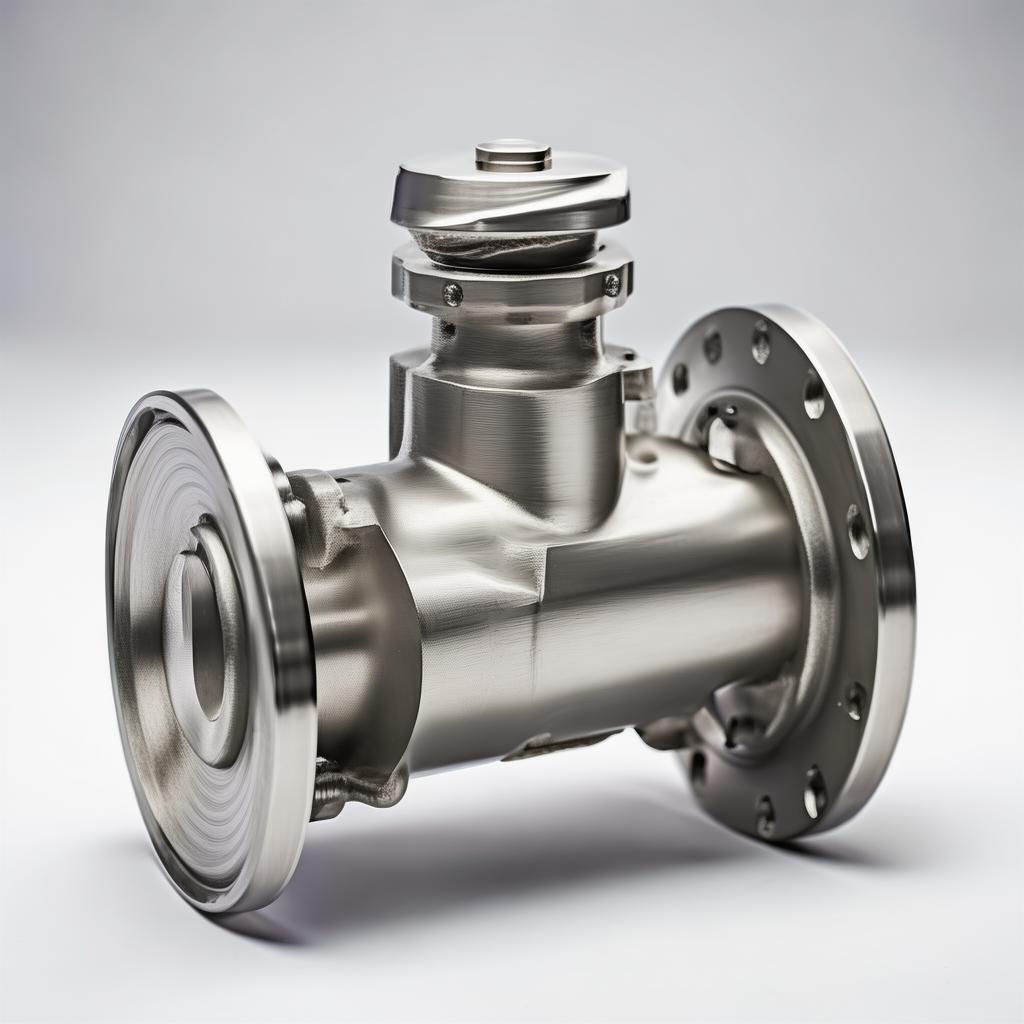
lug style butterfly valve installation lug type butterfly valve installation lug butterfly valve
*Torque values are for standard EPDM/PTFE seats. Actual torque is provided per valve serial number. Higher pressure classes (ANSI 300) and alloy bodies available. OEM/ODM designs (short pattern, gear operators, extended stems) quoted in < 24h.

“We switched to Thriveon for a major pipeline retrofit. Their lug valve installation documentation is the best I’ve seen — cut our field errors by 40%. Dead‑end service has been rock solid for 18 months.”

“Zero failures in two years across 200+ valves. The quality consistency is unmatched. Their engineers even helped us design a custom gear operator for tight spaces.”

“We were struggling with high shipping costs and late deliveries from our previous supplier. Thriveon shipped 3 weeks early, and the factory‑direct pricing saved us 22% on total landed cost.”

“Their technical support is exceptional. We had a complex installation with limited clearance — they provided an OEM solution with extended stem within 10 days.”
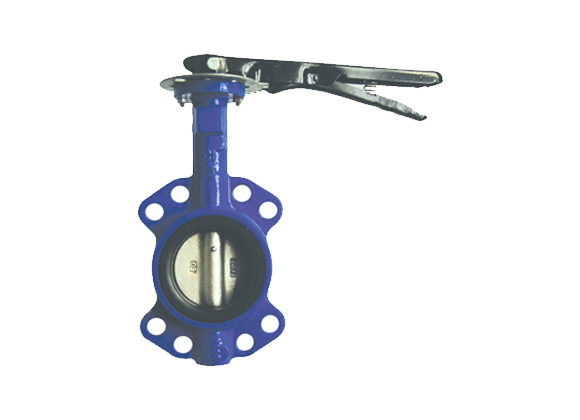
A lug butterfly valve has threaded bolt holes on both sides of the body, allowing it to be bolted directly to flanges. This enables dead‑end service (isolation at the end of a line) and easier alignment. A wafer valve sits between flanges and relies on long bolts passing entirely through the body — it cannot be used for dead‑end service. Installation torque and bolting patterns differ significantly.
Yes — properly designed lug valves are rated for dead‑end service provided both flanges are bolted to the valve body. The threaded holes take the full pressure load. Always confirm with the manufacturer’s pressure/temperature rating and use the correct bolt length.
Snug all bolts hand‑tight in a cross‑pattern (similar to a cylinder head). Then torque in three increments: 30% → 60% → 100% of the target value, always maintaining the cross‑pattern. Refer to our factory torque chart — overtightening can distort the body, while undertightening causes leaks.
Standard full‑face or ring gaskets compatible with your media are acceptable. However, for dead‑end service or high‑temperature applications, we recommend spiral‑wound or metal‑reinforced gaskets. Avoid oversizing the gasket ID — it can obstruct disc movement.
Choose lug if you need: dead‑end isolation, downstream maintenance without draining the entire system, or frequent removal/installation. Choose wafer for lower initial cost and lighter weight in continuous pipeline runs with no dead‑end requirement. We stock both and can help you decide.
Every order includes a Material Traceability Certificate (MTC), PMI test report, pressure test certificate, and Installation & Maintenance Manual. Additional documentation (NACE, ATEX, 3.1 certifications) available on request.
Absolutely. We offer complete OEM/ODM capabilities: custom stem lengths, gear/actuator mounting, special coatings (nylon, epoxy, Halar), and non‑standard pressure ratings. Lead times for custom designs typically range from 7–25 days depending on complexity.
2026 Q2 Pre‑Season Pricing in effect. Lead times are filling fast — lock in factory‑direct pricing and guaranteed on‑time delivery.
*Limited to the first 20 inquiries this month. Privacy guaranteed — we never share your data.

About the Author: Michael Chen — Senior Valve Engineer, Thriveon Valves
With 15+ years in flow control design and field support, Michael has consulted on over 600 industrial valve installations across North America, Europe, and the Middle East. He actively contributes to API 609 committee discussions and leads Thriveon’s technical training program. He believes every valve failure is preventable with the right procedure and partnership.
Related Products
 Call us on:
+86-311-86935302
+86-311-86935302
Call us on:
+86-311-86935302
+86-311-86935302
 Email Us:
info@thriveonvalve.com
Email Us:
info@thriveonvalve.com South of Huanmadian Village Town, Ningjin County, Xingtai, Hebei Province, China
Trusted by Industrial Leaders Across North America
Certifications: ISO 9001:2015 • API 609 • CE • RoHS • MSS SP‑25 • Pressure Equipment Directive 2014/68/EU
Every valve is pressure-tested before shipping. Full Material Traceability (MTC) and Positive Material Identification (PMI) reports included.