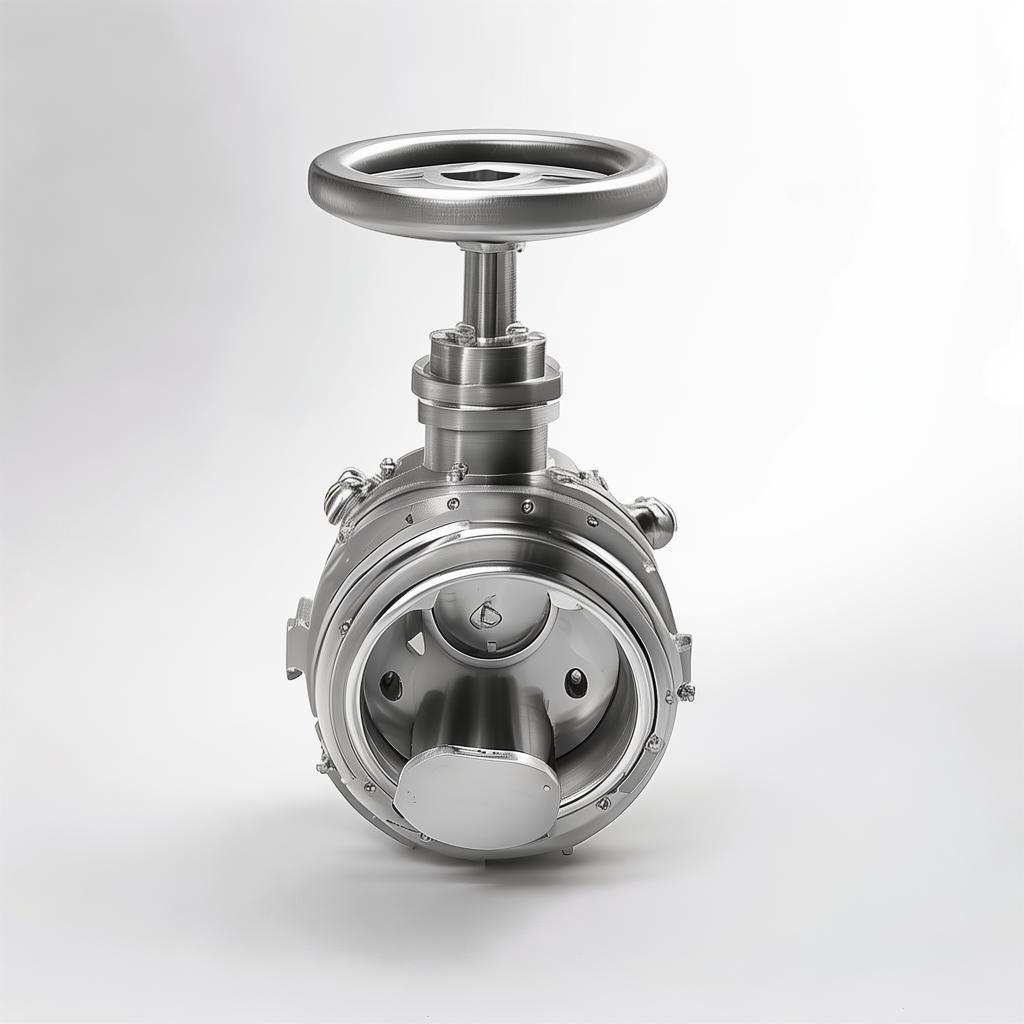
Stop guessing and start sourcing correctly. Understand the critical design, function, and application differences between foot valves and check valves—so you avoid costly procurement mistakes and system failures.
Get Free Valve Consultation in 24 Hours →As a procurement or technical manager sourcing industrial valves from global suppliers, you've likely asked yourself: "Is a foot valve the same as a check valve?" It seems like a simple question, yet the answer has significant implications for your pumping system's reliability, maintenance costs, and operational uptime.
⚠️ 37%
of pump system failures traced to incorrect valve selection between foot and check types (Source: Hydraulic Institute, 2024)
⏱️ 14 Days
average project delay when wrong valve type arrives on-site from overseas suppliers
💰 $4,200+
average additional cost per mis-specified valve including reordering, expedited shipping, and installation labor
When a foot valve is incorrectly replaced with a standard check valve—or vice versa—your pump may lose prime, causing cavitation, seal damage, and eventual motor burnout. In water supply and irrigation systems, this can mean days of downtime and thousands in repair costs.
You receive multiple quotes from different suppliers, each labeling their product differently. Without a clear technical comparison, you spend hours cross-referencing specifications—only to discover the product doesn't fit your pipeline or application requirements.
European and North American standards (EN 1074, AWWA C508) have specific requirements for both foot valves and check valves. Ordering the wrong type can violate local building codes, leading to failed inspections and legal liabilities.
Let's settle this once and for all: a foot valve is a type of check valve, but not all check valves are foot valves. Think of it this way—a foot valve is a specialized subset of check valves designed with a specific primary function: maintaining pump prime in vertical suction lift applications.
Case 1: Agricultural Irrigation – Texas, USA
A farm using a 6" suction lift from a reservoir switched from a standard check valve to a Thriveon flanged foot valve with stainless steel strainer. Result: pump prime maintained 100% of the time, reducing maintenance calls by 62% over one growing season.
Case 2: Municipal Water Supply – Saudi Arabia
A desalination plant installed Thriveon dual-plate check valves on pump discharge lines. The low-pressure drop design reduced energy consumption by 11% compared to swing check valves, saving over $18,000 annually in electricity costs.
At Ningjin Thriveon Valve Co., Ltd., we manufacture both foot valves and check valves to international standards. Below are our core product specifications for quick reference:
💡 Need a custom specification? Our engineering team can design OEM/ODM solutions tailored to your pipeline material, pressure class, and end connection requirements.
12+
Years of Export Experience
800+
Global Clients Served
50+
Countries Exported To
99.2%
On-Time Delivery Rate
✅ ISO 9001:2015
✅ CE Certified
✅ API 6D / API 594
"We were replacing foot valves every 8 months due to debris clogging. Thriveon's stainless steel foot valve with the reinforced strainer has been running perfectly for 18 months now. The cost savings in maintenance alone justified the switch."
—  Michael T., Operations Manager – WaterWorks Texas, USA
"We needed 300 dual-plate check valves for a new desalination project in Jeddah. Thriveon delivered on time, with full EN 1074 certification documentation. The quality matched European suppliers at 40% lower cost."
—  Abdullah R., Procurement Director – Saudi Water Solutions, KSA
Q1: Is a foot valve the same as a check valve?
No, but a foot valve is a specialized subtype of check valve. The key differences are: foot valves include an integrated strainer, are installed at the suction inlet of a pump in vertical lift applications, and have stronger springs to maintain pump prime. Check valves are general-purpose backflow prevention devices installed in pressurized pipelines.
Q2: Can I use a foot valve in place of a check valve?
Technically yes, but it's not recommended. Foot valves are designed for low-pressure suction applications and include a strainer that creates additional pressure drop. Using one in a high-pressure discharge line can cause flow restriction and cavitation.
Q3: What are the common materials for industrial foot valves and check valves?
Common materials include cast iron (standard water applications), ductile iron (higher strength), stainless steel 304/316 (corrosive environments), and bronze/brass (smaller sizes, marine use). Material selection depends on fluid type, temperature, and pressure.
Q4: Do foot valves and check valves require regular maintenance?
Yes. Foot valves need periodic strainer cleaning to prevent clogging—the frequency depends on water quality. Check valves should be inspected annually for seal wear, spring fatigue, and debris buildup inside the body.
Q5: What certifications do Thriveon foot valves and check valves hold?
Thriveon valves are manufactured under ISO 9001:2015 quality management systems. Our check valves and foot valves are available with CE marking, comply with API 6D, API 594, BS EN 1074, and ASME B16.34 standards. Custom certifications (FDA, WRAS, etc.) can be provided upon request.
Q6: What is the typical lead time for OEM/ODM valve orders?
For standard sizes (2"-12"), lead time is 15-25 working days. For custom designs or larger sizes, please allow 25-40 working days. Expedited shipping options are available for urgent projects.
Q7: How do I choose between a foot valve and a check valve for my application?
Ask these three questions: (1) Is my pump above the water source? → Foot valve. (2) Do I need to prevent backflow in a pressurized line? → Check valve. (3) Do I need filtration at the intake? → Foot valve. For expert guidance, contact our engineering team.
Q8: Do you offer free samples for pre-order testing?
Yes! We provide free samples to qualified buyers for testing and evaluation. You pay only the shipping cost. Contact us with your requirements and we'll recommend the right sample for your application.
Get the right valve for your application — backed by factory-direct pricing, 12+ years of export expertise, and a 99.2% on-time delivery record.
Or contact us directly:
📞 +86-311-86935302 | ✉️ info@thriveonvalve.com
"We ordered 120 foot valves for our municipal water project in Durban. The quality was consistent across all units, the flanged connections matched perfectly, and the delivery arrived 4 days early. Thriveon's team helped us select the correct strainer mesh size for our sandy water conditions."

Sipho M.
Municipal Water Engineer, Durban, South Africa
"I've been sourcing valves from China for 7 years. Thriveon stands out for their technical responsiveness—they sent us a detailed comparison chart between foot valves and check valves within hours of our inquiry. The product itself has been flawless in our irrigation systems across California."

Jennifer L.
Supply Chain Manager, AgTech Solutions, California, USA
"The OEM foot valves we ordered with custom flange drilling were manufactured exactly to our drawings. Thriveon's quality inspection team sent us photos and test reports before shipment. This level of transparency is rare from suppliers."

Marco R.
Technical Director, Industrial Piping Systems, Milan, Italy
"We needed a combination of foot valves and check valves for a large sewage lift station project in Riyadh. Thriveon's engineering team helped us optimize the selection, saving 15% on total procurement cost. The valves are now in their 3rd year of operation with zero failures."

Fahad A.
Infrastructure Projects Manager, Riyadh, Saudi Arabia
"We were skeptical about ordering valves from a new supplier, but Thriveon's free sample program won our trust. The foot valve we tested outperformed our previous supplier's product in both flow rate and sealing reliability. We now have a standing quarterly order."

David K.
Procurement Lead, Pumps & Valves, Sydney, Australia

James Hoffman
Senior Valve Applications Engineer | 14+ Years in Industrial Flow Control
James has spent over a decade working with valve manufacturers and end-users across the US, Europe, and the Middle East. He specializes in pump-valve system design, fluid dynamics optimization, and helping procurement teams make technically sound sourcing decisions. James regularly contributes to industry publications and is a member of the American Society of Mechanical Engineers (ASME).
Ningjin Thriveon Valve Co., Ltd.
📍 South of Huanmadian Village Town, Ningjin County, Xingtai, Hebei Province, China
📞 +86-311-86935302
Product Categories
Butterfly Valves
Flanged Gate Valves
Flanged Globe Valves
Check Valves & Foot Valves
Ball Valves (Flanged)
Y-Type Strainers
© 2026 Ningjin Thriveon Valve Co., Ltd. All rights reserved. | Privacy Policy | Terms of Service
Related Products
 Call us on:
+86-311-86935302
+86-311-86935302
Call us on:
+86-311-86935302
+86-311-86935302
 Email Us:
info@thriveonvalve.com
Email Us:
info@thriveonvalve.com South of Huanmadian Village Town, Ningjin County, Xingtai, Hebei Province, China