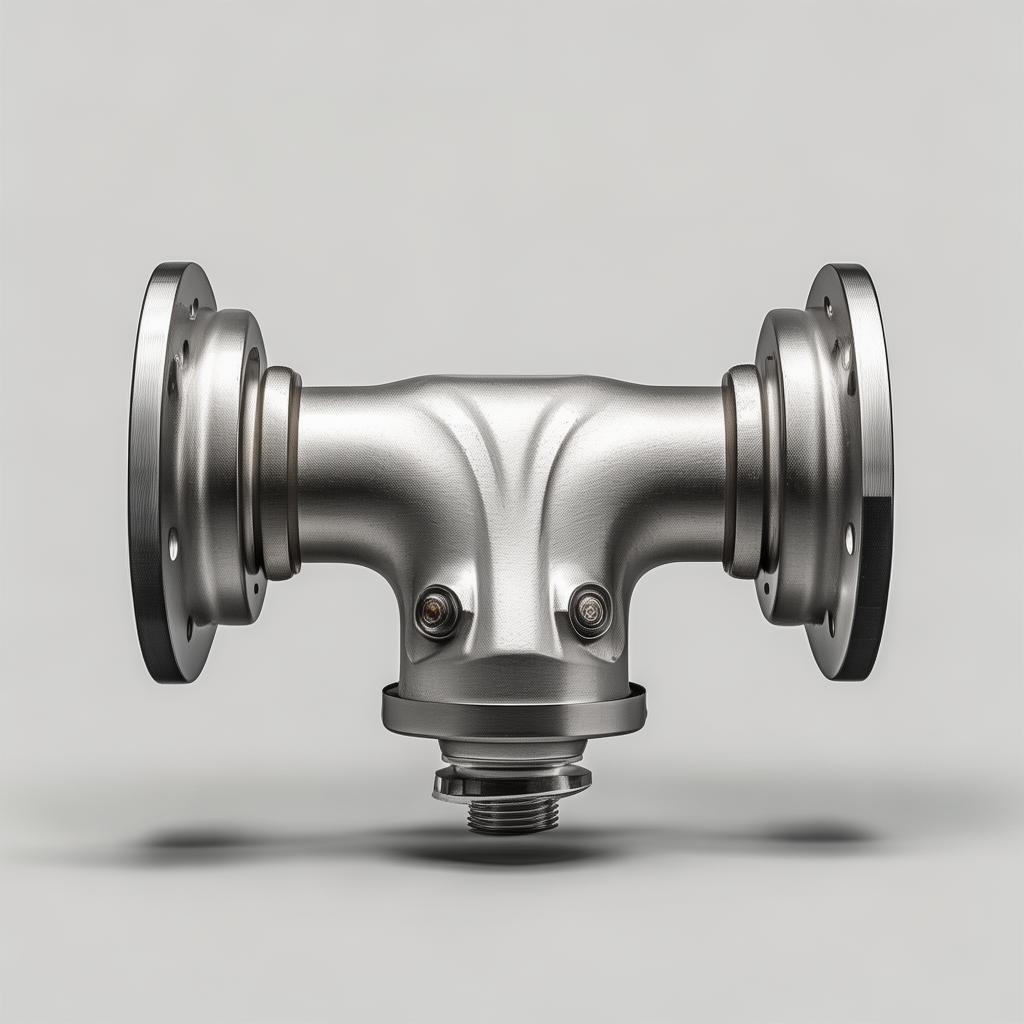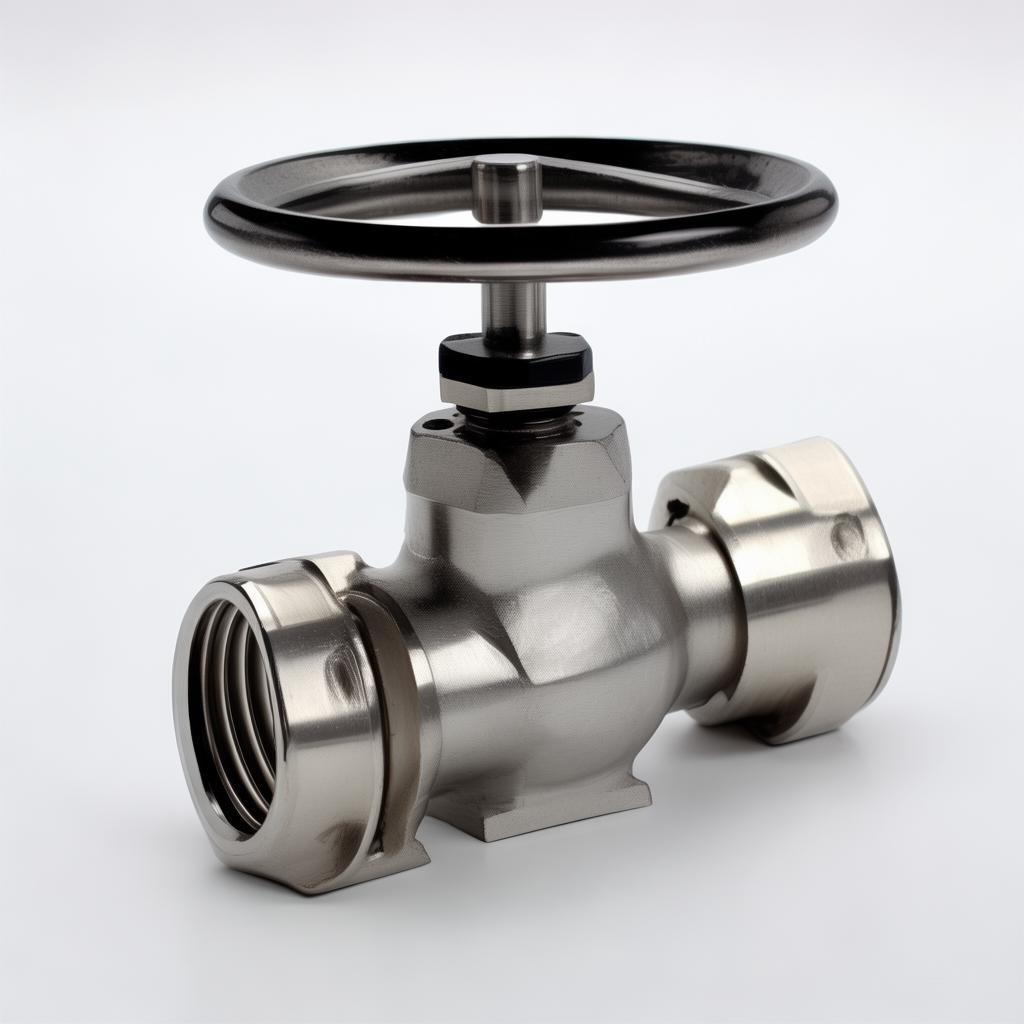

Stop guessing. Stop pump downtime. For procurement managers and technical directors demanding precision, durability, and global supply chain speed for irrigation, waterworks, and industrial processes.
Get Free Expert Consultation & Sample Quote in 24 Hours →✓ No MOQ restrictions for sample orders ✓ ISO 9001 & CE certified quality
Making the wrong choice between a foot valve vs check valve isn't just a technical oversight—it's a direct hit to your operational budget. Industry data reveals that 37% of pump system failures are directly linked to incorrect valve selection or poor quality imports. Here are the specific risks you face:
To eliminate confusion, we have broken down the foot valve vs check valve difference into a straightforward technical comparison. This is the standard we use for every OEM and wholesale quotation.
| Feature | Foot Valve | Check Valve |
|---|---|---|
| Primary Function | Maintain pump prime & prevent backflow | Prevent backflow only |
| Integral Strainer | Yes — protects pump from debris | No — requires separate Y-strainer |
| Installation Orientation | Vertical (submerged in liquid) | Horizontal or vertical |
| Common Applications | Well pumps, irrigation suction lines, water transfer | Discharge lines, general piping, HVAC |
| Disc Type | Flap / Hinged disc | Swing / Spring-loaded / Lift |
| Threaded Connection | Yes (NPT / BSP) | Yes (NPT / BSP) & Flanged |
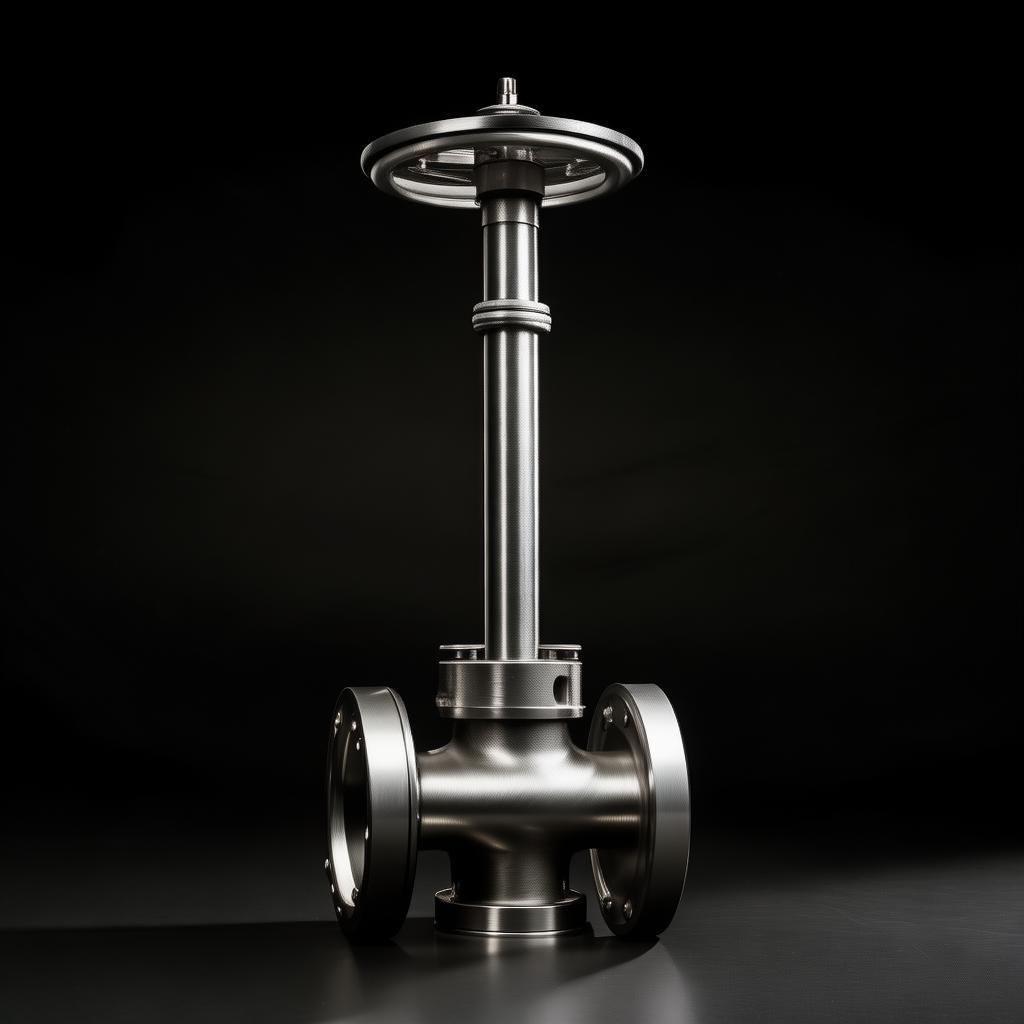
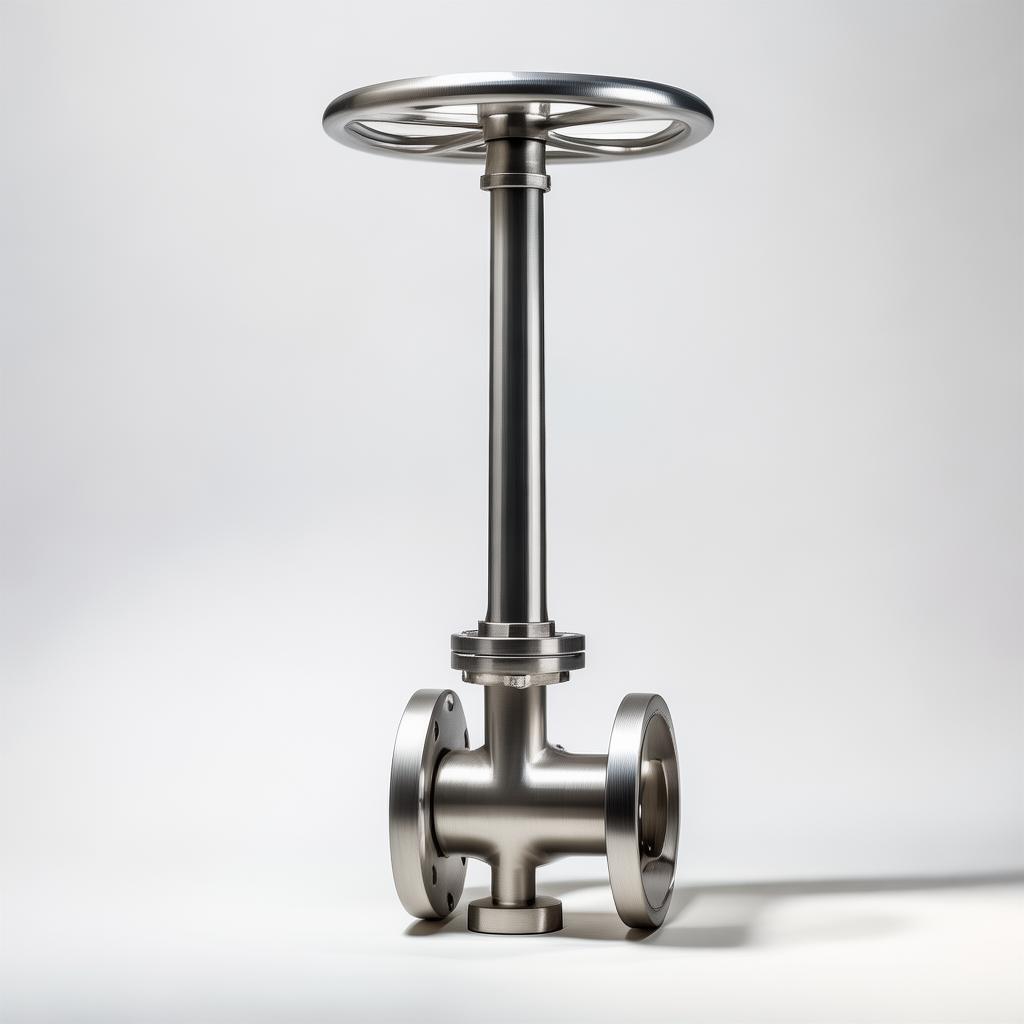
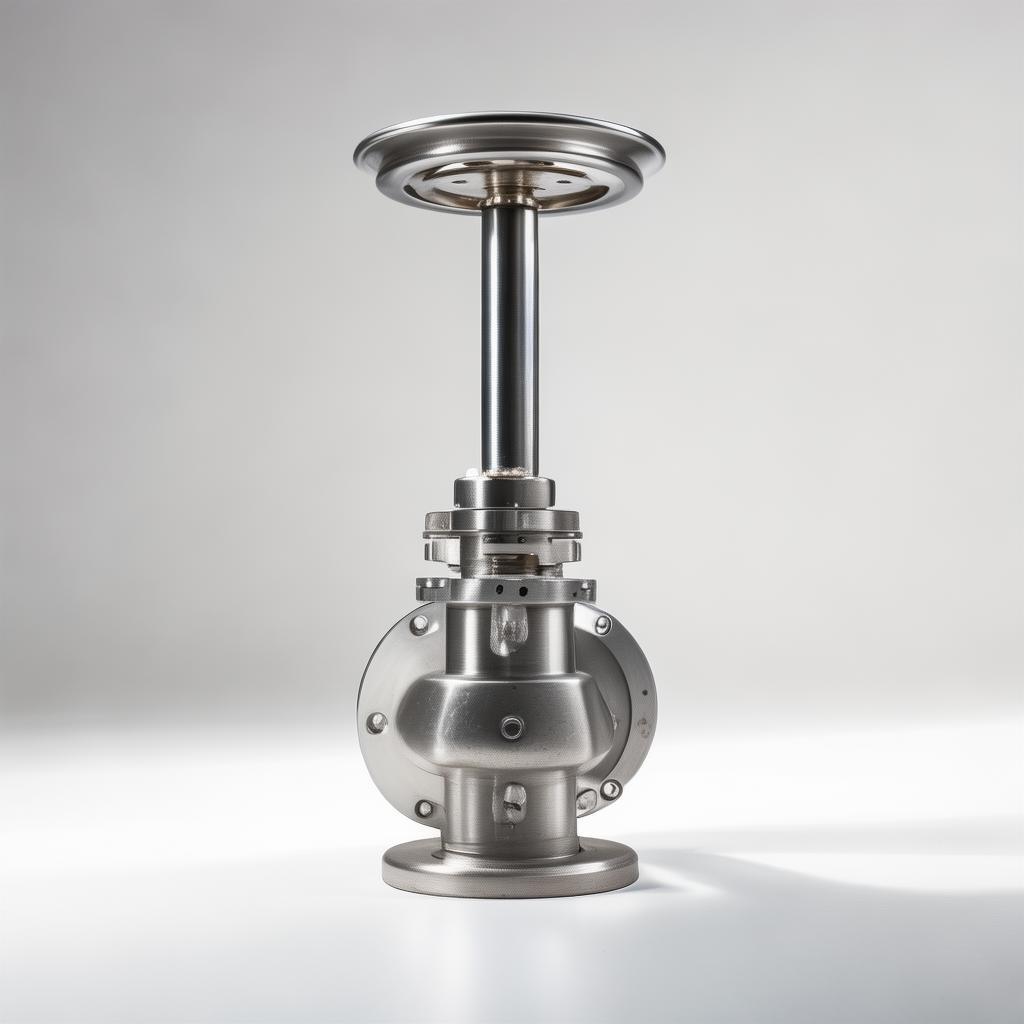
If your system requires reliable pump priming (common in deep well or surface water extraction), a foot valve is your only option. Its built-in stainless steel strainer prevents debris from entering the pump casing, reducing maintenance cycles by up to 60%. Our foot valve for well pump series is engineered for high silt environments.
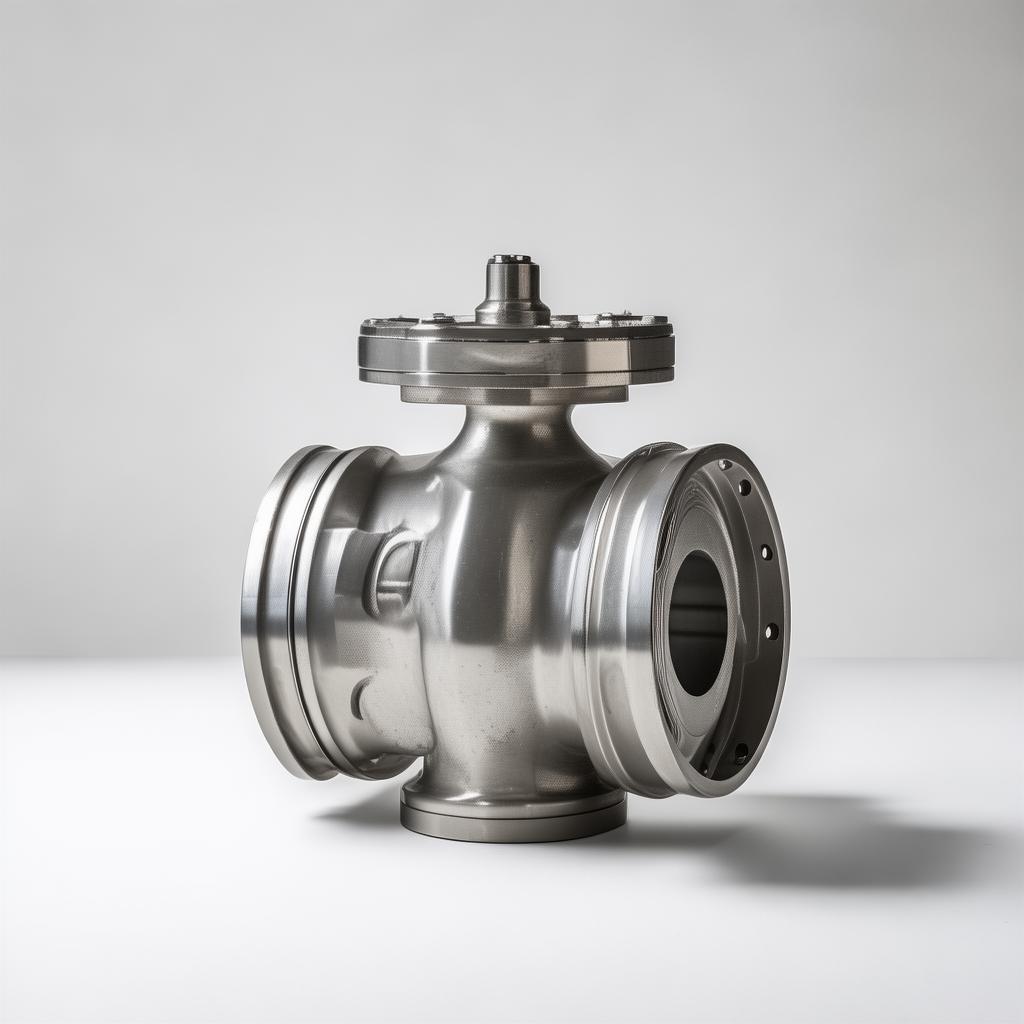
Use a check valve on the discharge side of the pump to prevent water hammer and backflow damage. If you need backflow prevention only and have a separate filter/strainer upstream, a cast steel check valve or spring-loaded check valve provides superior closing speed and sealing integrity. Thriveon manufactures check valves with a disc life exceeding 500,000 cycles.
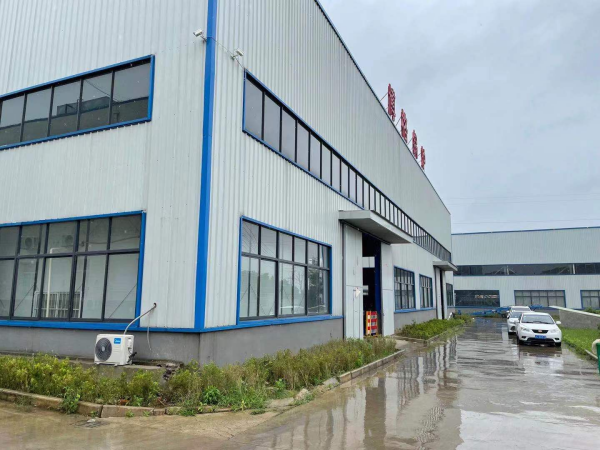
Located in the heart of Hebei's industrial zone, Ningjin Thriveon Valve Co., Ltd. combines over a decade of engineering expertise with high-speed manufacturing. We understand that choosing the right industrial valve supplier is as critical as the valve itself.
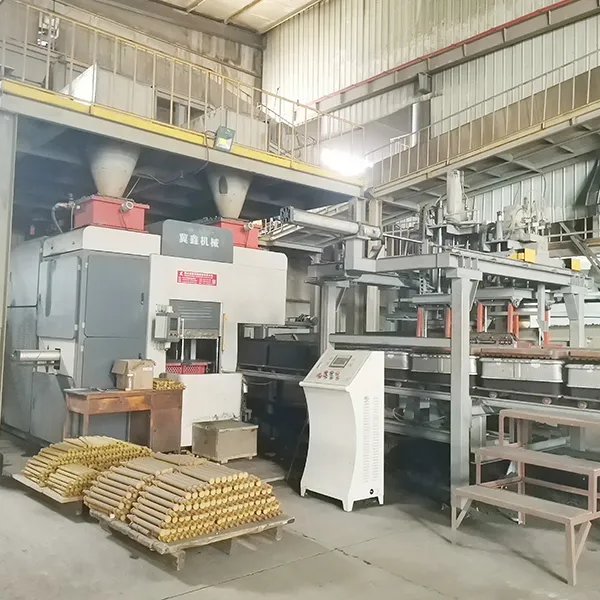
Customize length, material (WCB, CF8, Duplex), and coating. Fast prototyping.
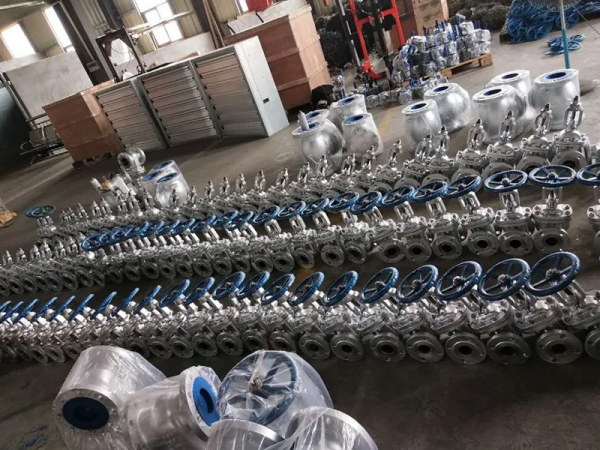
100% hydrostatic testing. Material certifications (PMI) included with every shipment.
Standard foot valves ship in 7-10 days. Express shipping to US ports in 20 days.
We export to over 30 countries. Our foot valves and check valves are engineered for the demanding US and European markets. Here's what procurement leaders are saying:

"We reduced pump priming failures by 90%."
Switching to Thriveon's foot valves with SS316 strainers solved our sand ingestion problem. - Michael T., Operations Manager, Texas Irrigation

"Overnight sample shipment was incredible."
We needed a matching check valve for an emergency retrofit. Thriveon sent it within 24 hours. Perfect match. - Sarah L., Maintenance Lead, Ontario Waterworks

"Consistent quality, 22% cost savings vs EU."
We audit every batch. Thriveon's flanged check valves meet ASTM A216 WCB standards flawlessly. - David R., Supply Chain Director, Italy Pumps

"Excellent technical support for our specs."
They guided us on the correct foot valve vs check valve for high-pressure seawater. True experts. - Ahmed K., Engineering Manager, Saudi Desalination

"Best Chinese valve manufacturer we've worked with."
Transparent pricing and no quality surprises. Our go-to partner for cast steel check valves. - Emily Z., CEO, South Africa Valve Distributions
No, it is not recommended. A standard check valve lacks an integral strainer. If installed on a suction line without a separate strainer, debris will quickly damage the pump. You need a specific foot valve designed for priming and filtration.
Most industrial foot valves are made from Cast Steel (WCB), Ductile Iron, or Stainless Steel (CF8/CF8M/CF3M). For potable water applications, we recommend Stainless Steel 304 or 316 with EPDM seats. Thriveon offers custom materials per your specifications.
is a foot valve the same as a check valve foot valve and check valve difference foot valve use
Yes, 100%. We stock NPT threaded foot valves in sizes ½" to 4". For larger sizes, we offer flanged connections (ANSI 150/300). All threads are gauged to ensure compatibility with US piping standards.
Sample orders: 1 piece. For bulk production, MOQ starts at 50 pieces for standard sizes. We understand the need for flexibility in supply chain testing. Free samples are available for qualified procurement teams.
Every valve undergoes 100% hydrostatic shell and seat testing before packing. We provide Material Certificates (EN 10204) and independent third-party inspection (SGS, BV) is available at cost. Our ISO 9001:2015 certified process ensures full traceability.
Standard foot valves and check valves ship in 7-10 days from our factory. For bulk OEM orders, typical lead time is 25-35 days. Express air freight is available for urgent requirements.
Secure your supply chain with a partner who understands the foot valve vs check valve difference. Get a tailored quotation, CAD drawings, and a free sample—typically within 24 hours.
📧 Email: info@thriveonvalve.com | 🏭 South of Huanmadian Village Town, Ningjin County, Xingtai, Hebei, China
We respect your privacy. Your information is protected and will not be shared with third parties.
Related Products
 Call us on:
+86-311-86935302
+86-311-86935302
Call us on:
+86-311-86935302
+86-311-86935302
 Email Us:
info@thriveonvalve.com
Email Us:
info@thriveonvalve.com South of Huanmadian Village Town, Ningjin County, Xingtai, Hebei Province, China