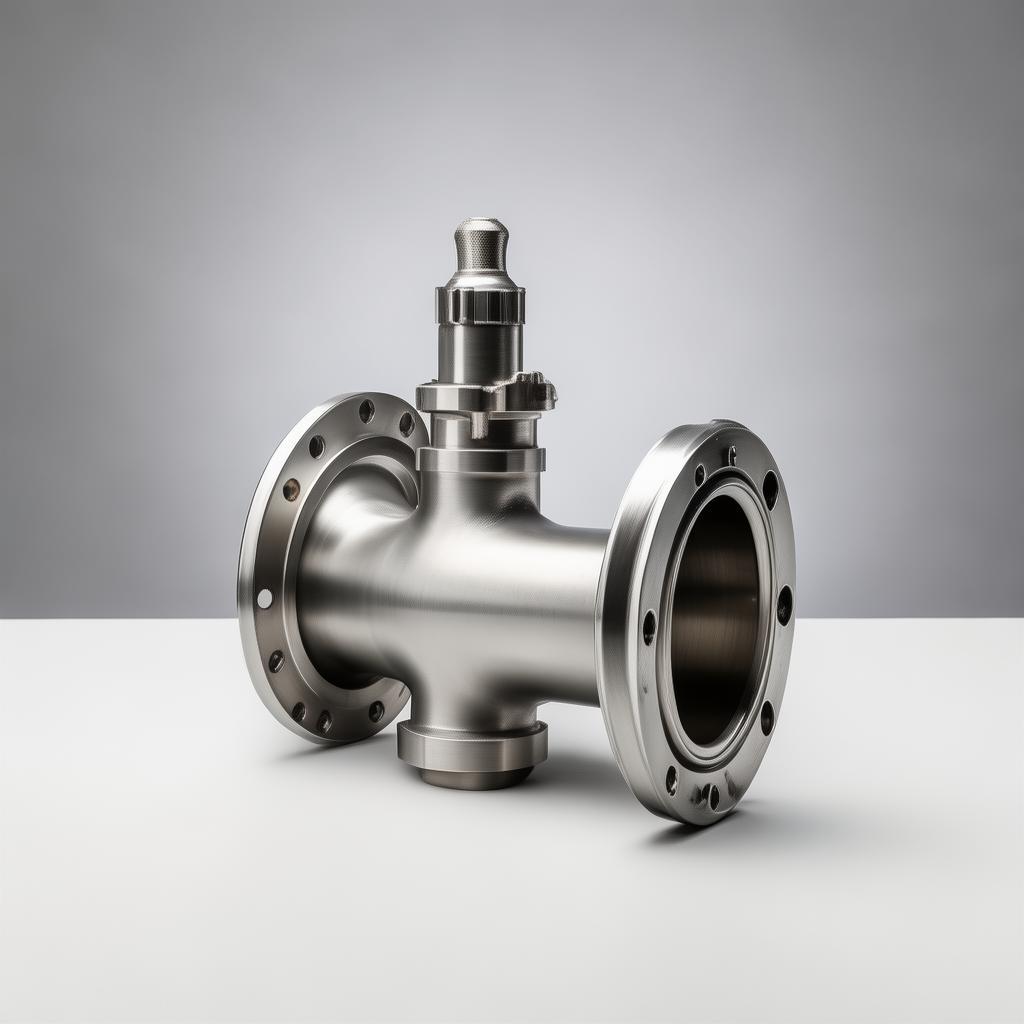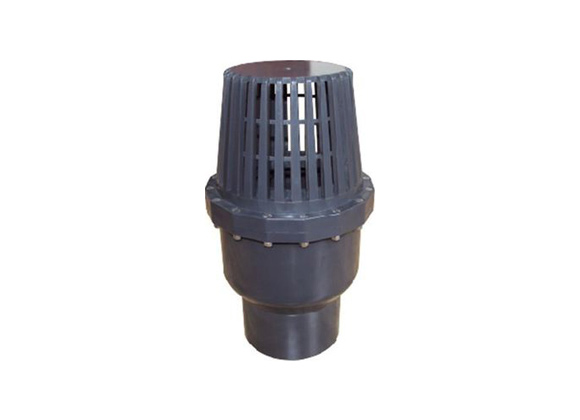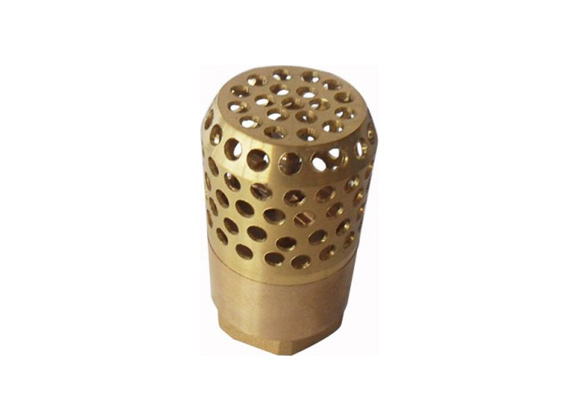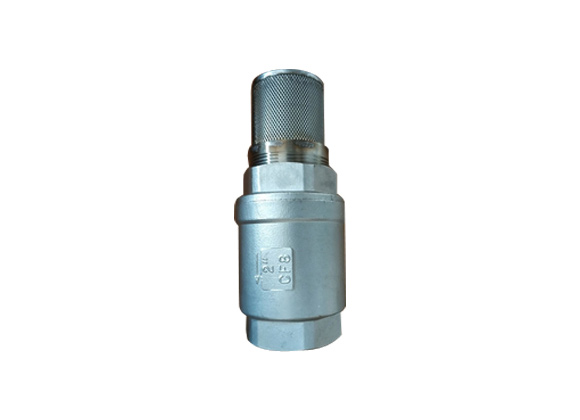
Industrial-grade foot valves engineered for zero leakage, effortless installation, and long-term reliability. Trusted by water utilities, irrigation projects, and HVAC systems across 20+ countries.
📥 Get Free Foot Valve Operation Manual & Instant Quote⭐ ISO 9001 | CE Certified | 10+ Years of Engineering Excellence
Our foot valves are designed by experienced engineers to eliminate common failure points. We focus on four core pillars: Reliable Priming, Fluid Protection, Durability, and Global Compliance.
Precision-machined poppet and Buna-N/EPDM seat ensure zero leakage under backpressure conditions. Guarantees prime retention for vertical shaft and end-suction pumps.
Optimized flow path and weighted hinge pin reduce valve slam. Our design minimizes pressure surges by up to 60%, protecting your pipeline network.
High-flow, corrosion-resistant strainer with 3x the open area of standard foot valves. Reduces cleaning frequency and prevents debris from entering the pump suction line.
Available in SS316, SS304, PVC, Brass, and Ductile Iron. Fully compliant with ANSI B16.1, BS 4504, and DIN 2501 flange standards. CE and RoHS certified.
| Model | Size (DN) | Connection | Material | Max. Pressure | Temp. Range |
|---|---|---|---|---|---|
| TV-FV-SS1 | 50 - 300 mm | Flanged (ANSI/DIN) | Stainless Steel 316 | 16 Bar (232 PSI) | -20°C to 180°C |
| TV-FV-SS2 | 40 - 200 mm | Threaded / Flanged | Stainless Steel 304 | 10 Bar (145 PSI) | -10°C to 120°C |
| TV-FV-PV | 20 - 150 mm | Threaded / Solvent Weld | PVC-U / CPVC | 6 Bar (87 PSI) | 0°C to 60°C |
| TV-FV-CI | 50 - 400 mm | Flanged | Ductile Iron / Cast Iron | 16 Bar (232 PSI) | -10°C to 80°C |
foot valve function how foot valve works foot valve
Need a custom specification? Our engineers can design OEM/ODM solutions tailored to your exact pressure and connection requirements.

"The quick-cleaning strainer feature is a game-changer. We flush our foot valves monthly in our South African plant, and they perform flawlessly even with abrasive water."
- Nomsa T., Maintenance Lead, Cape Town Irrigation
"We use Thriveon foot valves across 5 different pump stations. The standardization and consistent quality make our procurement and maintenance cycles much simpler."
- David L., Engineering Manager, Lagos Industrial Zone
"Excellent OEM service. Thriveon customized the flange drilling and added a lifting lug for our specific installation. Real engineering support."
- Robert J., Procurement Specialist, Dubai MunicipalityA foot valve is a one-way valve installed at the bottom of a pump suction line. It contains a poppet and seat that allows water to flow upward into the pump. When the pump stops, the poppet seals against the seat due to backpressure and gravity, preventing water from draining out of the suction pipe. This ensures the pump remains primed for immediate restart.
The foot valve must be submerged at least 3 feet below the water surface to prevent vortex formation, and 2 feet above the tank bottom to avoid sucking up sediment. Thriveon provides an installation guide with every order to help you calculate the correct Net Positive Suction Head (NPSH) for your system.
While both prevent backflow, a foot valve includes a built-in strainer and is specifically designed for vertical installation on pump suction lines. A standard check valve does not have a strainer and is generally used in discharge lines. The foot valve’s strainer protects the pump from debris, making it essential for open water sources.
Maintenance frequency depends on water quality. For clean municipal water, inspect the strainer and poppet annually. For irrigation or wastewater applications with higher debris levels, inspect quarterly. Thriveon’s foot valves are designed with wide-mouth bonnets for quick internal access without removing the valve from the pipeline.
Yes. Our factory has over a decade of OEM experience. We can customize flange drilling (ANSI, DIN, JIS), trim materials, seat elastomers (Viton, EPDM, Buna-N), and add accessories like lifting lugs or drain plugs. Minimum order quantity (MOQ) is 50 units for custom specs. Standard models ship with no MOQ.
For seawater, chemical processing, or high-chloride environments, we recommend Stainless Steel 316 (CF8M) or Alloy 20. For less aggressive water, SS304 or Ductile Iron with epoxy coating offer excellent value. PVC models are ideal for low-pressure chemical dosing.
A standard foot valve can contribute to water hammer if it slams shut quickly. Thriveon’s anti-water hammer design incorporates a spring-loaded or weighted hinge mechanism that controls the closing speed, reducing pressure surges significantly. Proper system design (pipe sizing, valve selection) is also crucial.
Standard lead time is 15-25 working days after confirmation. Express production (7-10 days) is available for urgent orders. For a typical 200-unit container, sea freight to major US ports (Houston, LA) or Europe (Rotterdam) ranges from $800 - $1,500, depending on current rates. We offer FOB, CIF, and DDP terms.

Related Products
 Call us on:
+86-311-86935302
+86-311-86935302
Call us on:
+86-311-86935302
+86-311-86935302
 Email Us:
info@thriveonvalve.com
Email Us:
info@thriveonvalve.com South of Huanmadian Village Town, Ningjin County, Xingtai, Hebei Province, China