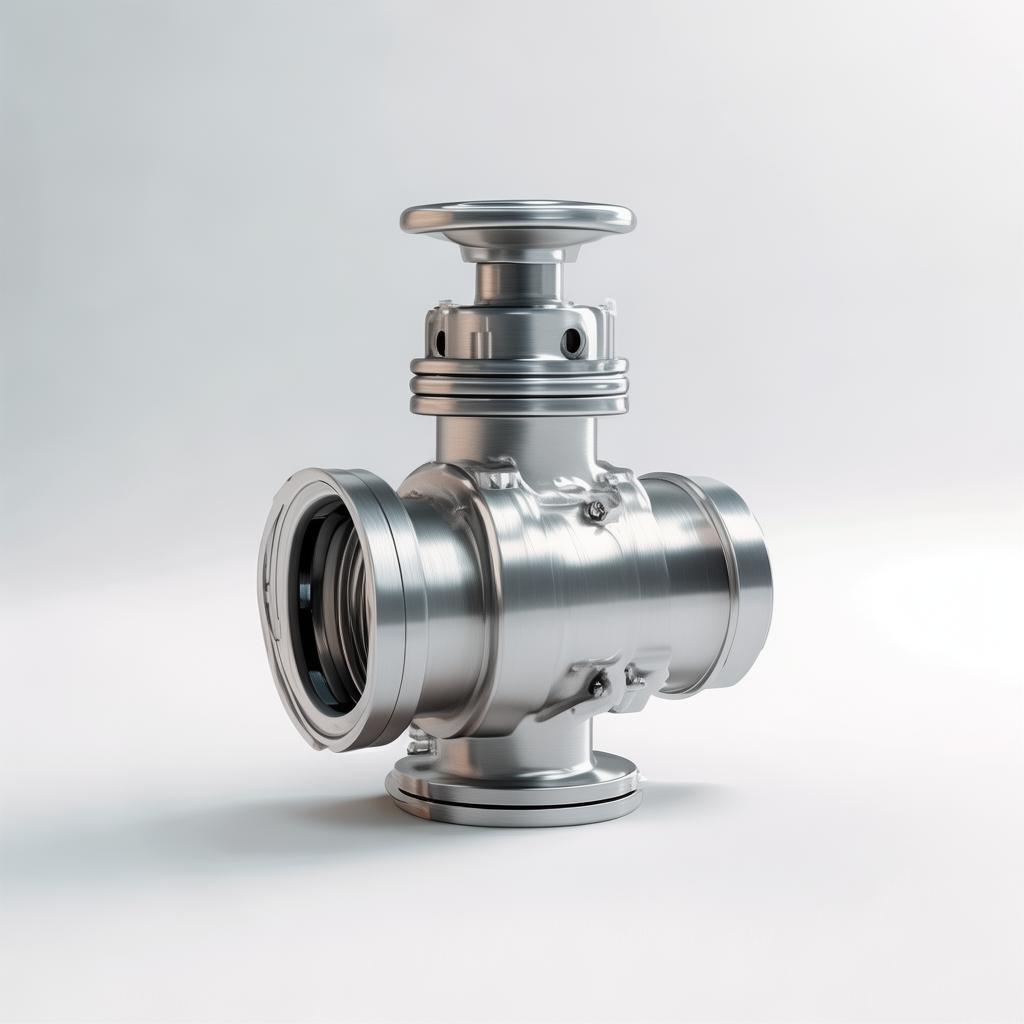
Engineered for industrial water systems, deep wells, and municipal utilities—discover how a simple mechanical valve prevents dry run damage, eliminates manual priming, and cuts your total maintenance costs by up to 40%.
📥 Get Free Sample & Tech Specs (Delivered in 24h)✅ ISO 9001 Certified | ✅ Zero Leakage Guarantee | ✅ Factory-Direct Pricing
Every time your pump loses its prime, you're losing money. But the real danger isn't just wasted time—it's catastrophic equipment failure.
Scared of pump failure? The right foot valve is the cheapest insurance policy you'll ever buy.
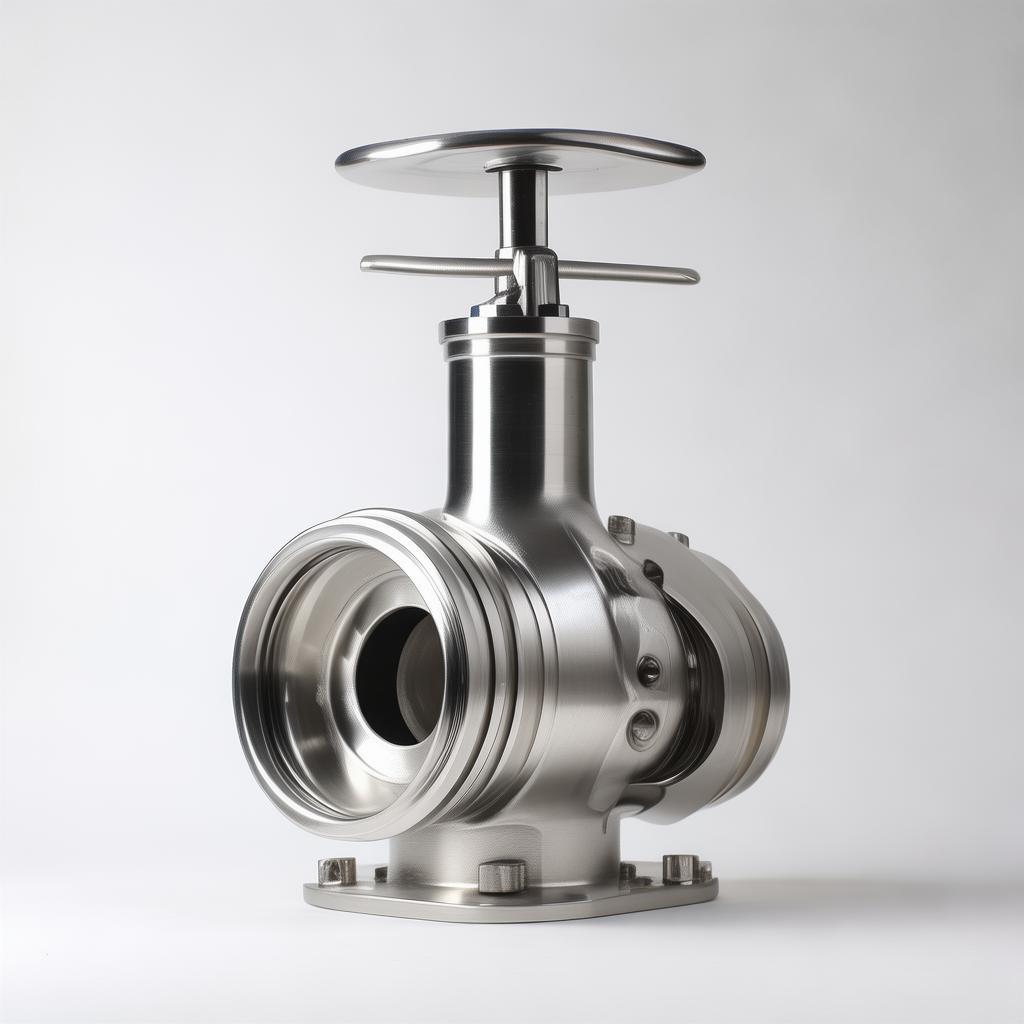
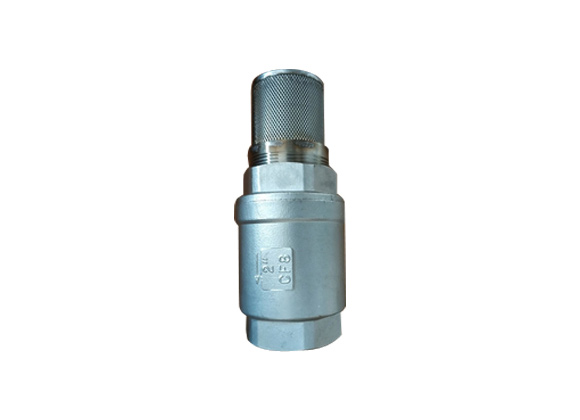
A foot valve is a specialized check valve installed at the bottom of a pump's vertical suction line. Its single job is to keep the pump primed by holding the column of water in place when the pump stops.
The impeller creates suction. This lifting force overcomes the spring tension inside the foot valve, pulling the disc (or poppet) off its seat. Water rushes through the strainer and up the pipe.
During operation, the disc remains fully open. The streamlined body design ensures minimal friction loss (typically < 0.5 psi), optimizing pump efficiency.
When the pump stops, gravity forces the water column to fall backward. This backflow, combined with the stainless steel spring, instantly snaps the disc shut against the seat.
Our precision-lapped seat creates a bubble-tight seal. No water leaks back, no air enters the system. The pump casing remains flooded, ready for instant start-up—zero manual priming required.
| Parameter | Thriveon Foot Valve (FV Series) | Typical Grade Valve |
|---|---|---|
| Body Material | WCB / CF8 (304) / CF8M (316) / Ductile Iron | Gray Cast Iron |
| Spring Material | SS316 (Corrosion-Resistant) | Carbon Steel (Rust-Prone) |
| Seat Material | PTFE / EPDM / Buna-N (Selectable) | Standard NBR |
| Strainer Mesh | 40 – 80 Mesh (SS304 / SS316) | Standard 20 Mesh |
| Pressure Rating | PN16 / PN25 / Class 150 / Class 300 | PN10 / Class 125 |
| Connection | Threaded (NPT/BSP) or Flanged (ANSI/DIN) | Single Connection Type |
| Testing | 100% Hydrostatic & Seat Leakage Tested | Spot-checked |
| Certifications | ISO 9001:2015, CE, WRAS, UL | None |
how does foot valve work how does a foot valve work how foot valve works
Custom lengths, private labeling, and specialized coatings (PTFE, Nylon, Zinc-Nickel) are available under our OEM/ODM program.
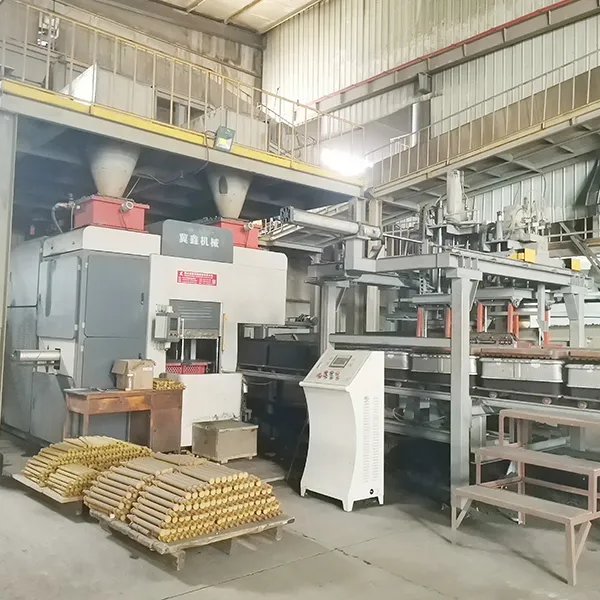
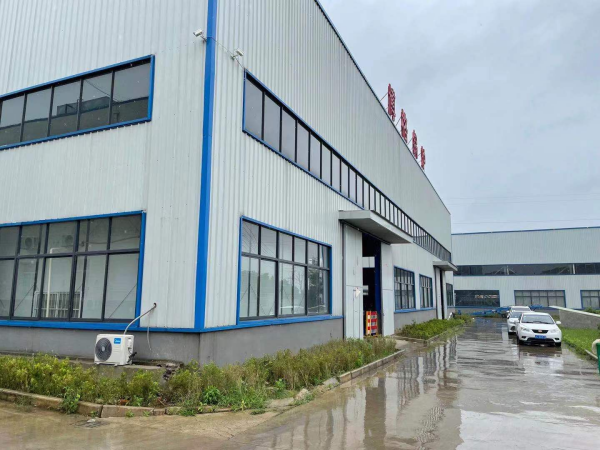
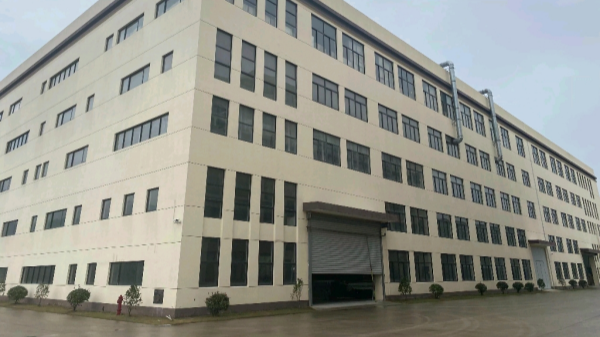
Located in Hebei, China—the heart of China's industrial valve manufacturing hub—Ningjin Thriveon Valve Co., Ltd. combines German-style engineering rigor with Chinese supply chain efficiency.
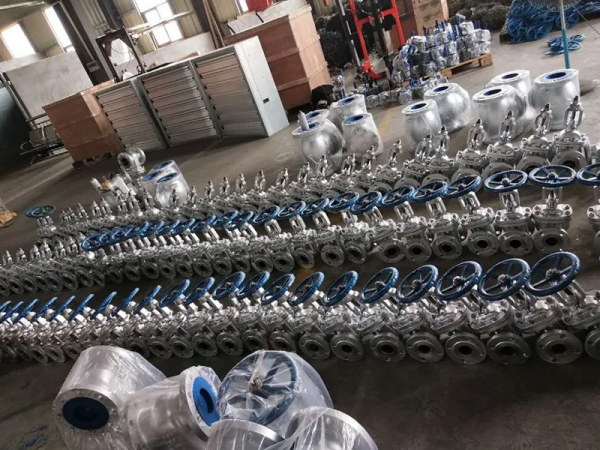
Over 50,000 sq ft of production space. CNC machining, automatic assembly lines, and a certified metrology lab. By eliminating middlemen, we offer 30-50% cost savings compared to European or American manufacturers.
Every single foot valve is 100% hydrostatically tested and seat leakage tested before leaving our factory. We comply with ISO 9001, CE, and WRAS standards. Non-destructive testing (NDT) available upon request.
Standard foot valves ship in 10–15 working days. Custom OEM orders in 25–30 days. We hold buffer stock for urgent requirements and have dedicated freight partnerships for USA, Europe, and Middle East express shipping.
Need a special flange, a specific mesh size, or your brand laser-engraved? Our senior engineers (10+ years average experience) will design and manufacture to your exact specifications. Your IP is safe with us.

"We switched to Thriveon's SS316 foot valves for our California irrigation network. The corrosion resistance is outstanding. We've reduced pump maintenance costs by 37% in just one year."
John D.
Operations Manager, Agricultural Supply Co., USA

"Reliable product and excellent communication. Thriveon met our strict delivery deadlines for a major project in Riyadh. 3 weeks from order to port. Impressive."
Sarah L.
Supply Chain Director, Middle East Water Utility

"The OEM service from Thriveon is outstanding. Our brand is cast onto the valve, and we trust the quality implicitly. High-speed delivery was a game-changer for our Italian project timeline."
Pietro G.
Technical Director, Irrigation Solutions, Italy
A foot valve is specifically designed for the bottom of a vertical suction line. It includes a built-in strainer to prevent debris from entering the pump and a spring-loaded mechanism optimized for vertical mounting and prime retention. A standard inline check valve lacks these features.
If the seat leaks, the water column slowly drains back. This causes the pump to lose prime. If the disc jams open, water rushes backward, potentially spinning the pump backwards and causing catastrophic damage. This is why a high-quality, zero-leakage seal is critical.
Maximum suction lift for standard centrifugal pumps is around 20-25 feet at sea level. However, for vertical turbine pumps, foot valves are installed at depths exceeding 200 feet. The pressure rating of the valve must match the static head. Always consult our engineers for deep well applications.
For seawater (saltwater) applications, we strongly recommend our CF8M (316 Stainless Steel) Foot Valve with an EPDM seat. This combination offers superior resistance to chloride corrosion and galvanic degradation.
A well-designed foot valve causes minimal friction loss (usually less than 0.5 psi). However, a clogged strainer or an undersized valve will restrict flow. We always recommend sizing the foot valve to match the pipe diameter, never smaller.
Our foot valves feature an easily removable strainer cage. Simply unscrew the cap, slide out the stainless steel basket, clean it with a wire brush or pressure washer, and reassemble. We recommend inspecting the strainer every 3 months to maintain peak performance.
Yes. We provide free samples to qualified engineers and procurement teams for field testing. You just pay the shipping cost. If you place a bulk order within 90 days, we deduct the sample cost from the invoice. Request your free sample here.
Don't let pump repair costs drain your budget. Get factory-direct pricing on ISO 9001 certified foot valves that are engineered to last.
📩 Get a Custom Quote & Free Sample Kit🔥 First-Time Buyer Offer: Order 50+ units and receive a free spare parts kit + priority production slot. Valid until end of month.
📍 South of Huanmadian Village Town, Ningjin County, Xingtai, Hebei, China
Related Products
 Call us on:
+86-311-86935302
+86-311-86935302
Call us on:
+86-311-86935302
+86-311-86935302
 Email Us:
info@thriveonvalve.com
Email Us:
info@thriveonvalve.com South of Huanmadian Village Town, Ningjin County, Xingtai, Hebei Province, China