
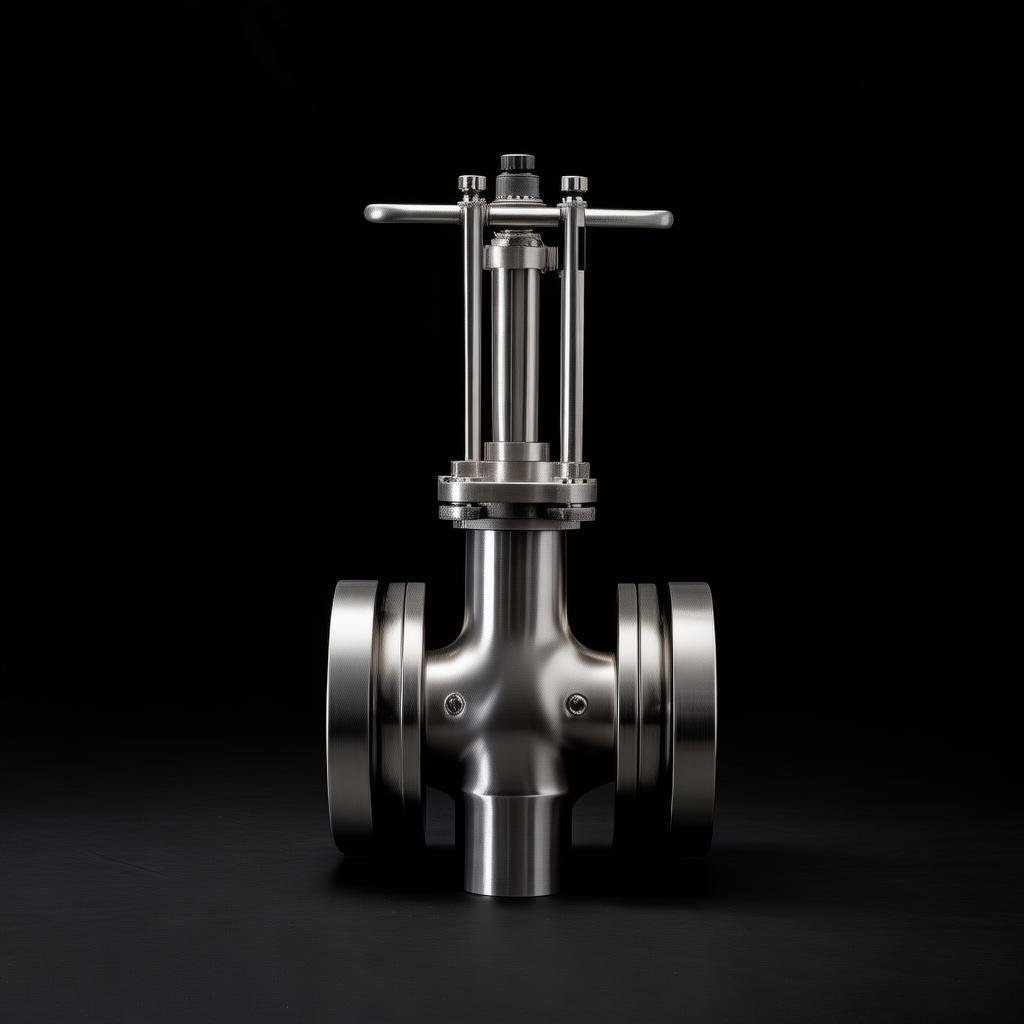
Reduce pump priming failures, prevent debris ingress, and cut downtime — discover how a well-specified foot valve protects your pumping system and lowers total cost of ownership.
Every time a well pump loses prime, your operation loses money. In a typical 200-foot deep well system, one priming failure can cost up to $850 in labor, water waste, and motor stress. Yet many procurement managers still specify a generic check valve and hope for the best.
Top 5 foot valve–related headaches we hear from US buyers:
The real issue? A foot valve isn't just "a check valve at the bottom of the well." It's a purpose-built component engineered to handle suction lift, sediment, and continuous slam‑shock — and choosing the wrong one creates a cascade of operational costs.
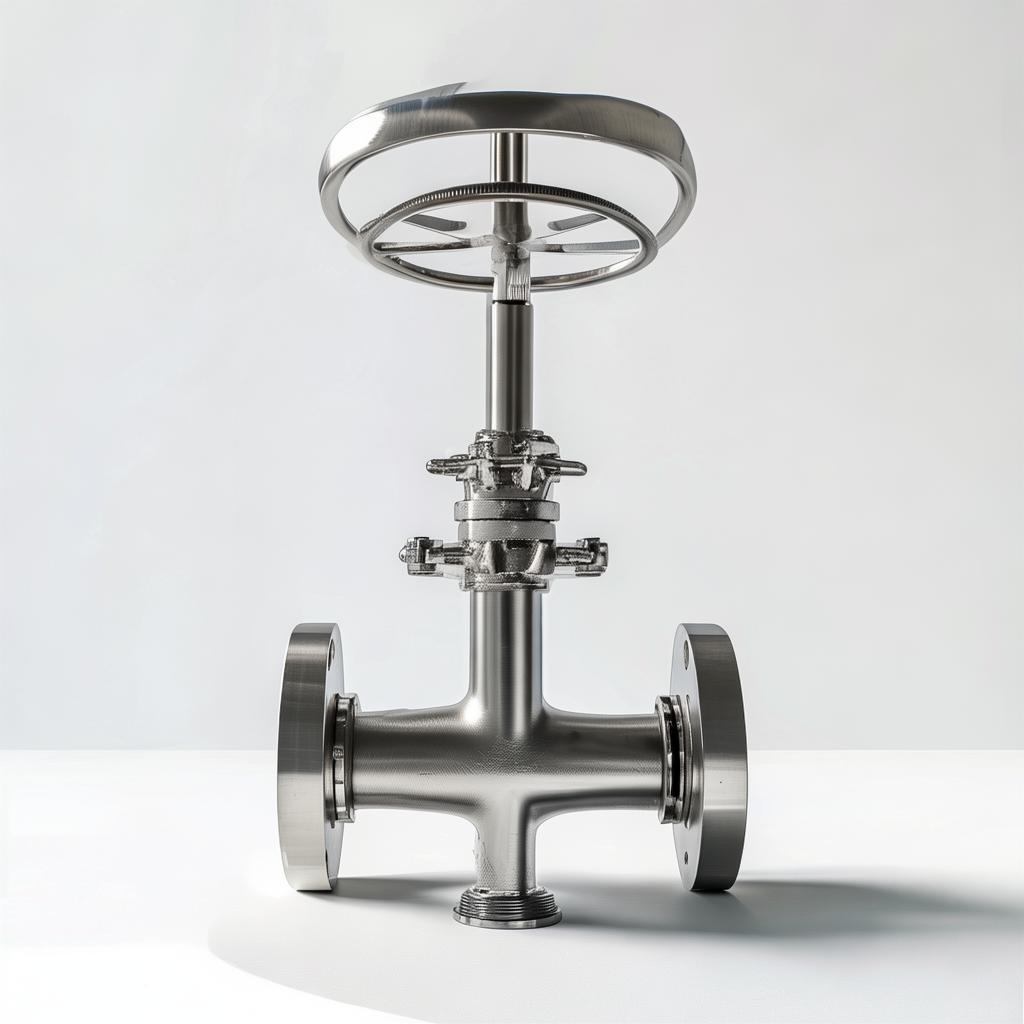
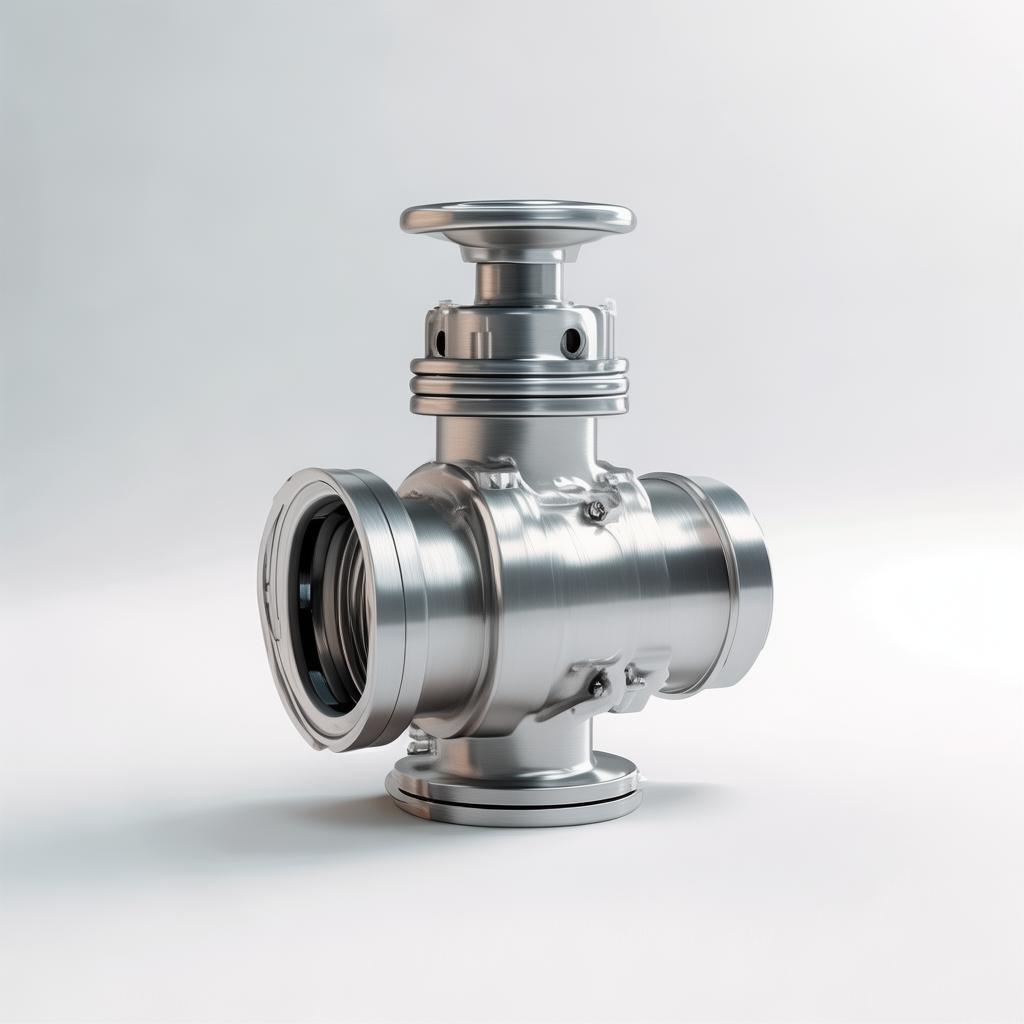
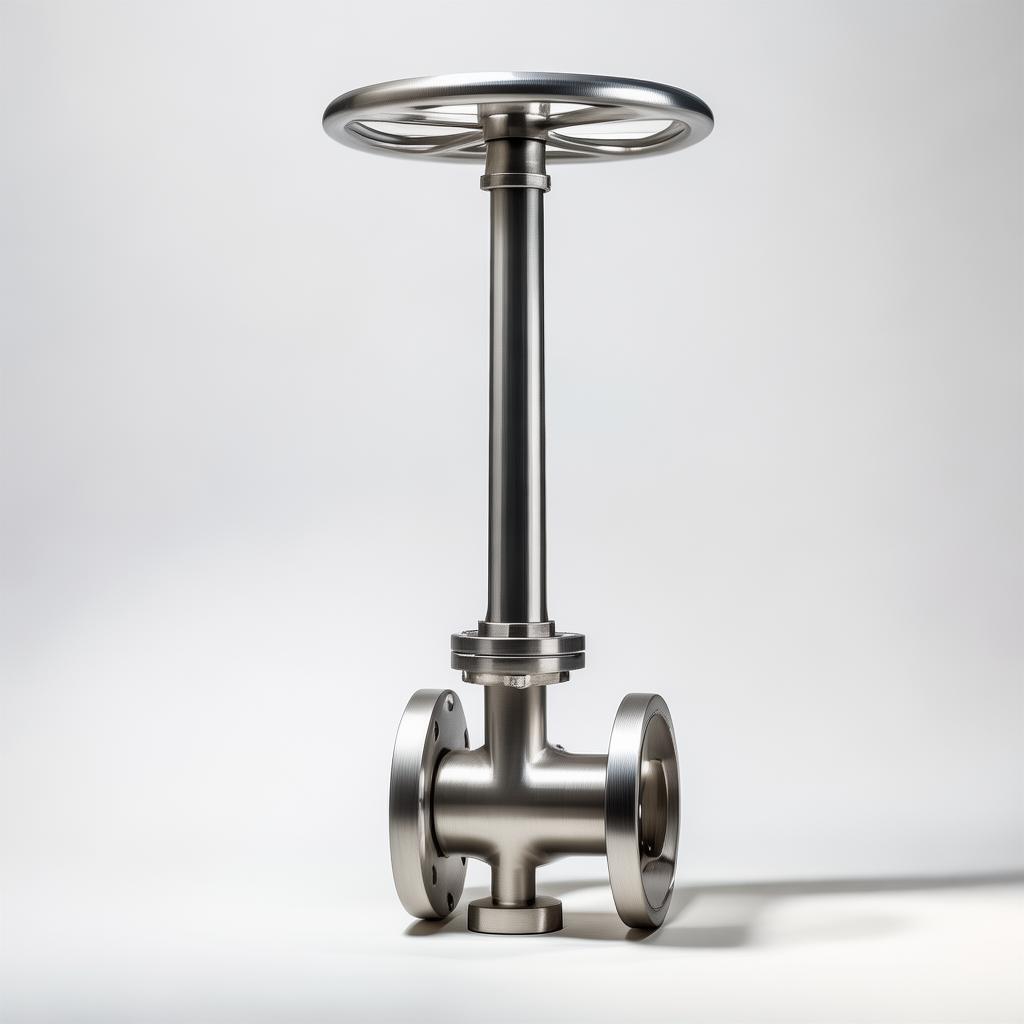
A foot valve is a specialized check valve installed at the suction inlet (foot) of a well pump. Its primary job: hold the pump prime by preventing water from draining back into the well when the pump stops. Unlike a standard check valve, a foot valve includes a built-in strainer screen that blocks sand, rust, and debris before they enter the piping system.
How it works: When the pump runs, the valve disc lifts, allowing water to flow upward. When the pump shuts off, the disc seals against the seat instantly, trapping water in the suction column. The strainer simultaneously filters particles ≥ 1/16" (1.6 mm).
| Parameter | Specification |
|---|---|
| Size Range | 1" – 10" (DN25 – DN250) |
| Pressure Rating | 200 WOG (600 PSI hydrostatic test) |
| Body Material | Cast Iron / Ductile Iron / Stainless Steel 304/316 |
| Disc / Seat | Bronze trim or SS316 + EPDM / NBR |
| Strainer Mesh | Removable perforated screen (1/16" holes, open area ≥ 50%) |
| End Connection | Flanged (ANSI 125/150) or threaded (NPT/BSP) |
| Certifications | ISO 9001:2025, CE, WRAS (potable water), RoHS |
A foot valve includes an integrated strainer screen and is installed at the bottom of the suction line (submerged). A standard check valve lacks a strainer and is placed above ground in the discharge line. The foot valve’s strainer protects the pump from debris while holding prime; a check valve only prevents backflow.
For centrifugal pumps, the theoretical suction lift limit is ~25 ft (7.6 m) at sea level. Foot valves are used at depths of 10–25 ft for shallow wells. For submersible pumps, a foot valve can be installed at any depth (e.g., 300 ft) to maintain column prime after pump shutoff.
Yes — a stuck-open foot valve allows water to drain back, causing the pump to run dry on startup. A stuck-closed valve can restrict flow or cause cavitation. That’s why Thriveon foot valves use a guided disc design and corrosion-resistant trim for reliable sealing and minimal failure rate (<0.3% in field data).
Match the valve size to the pump suction port diameter. Oversizing adds cost and weight; undersizing increases friction loss. For 1.5" – 4" suction lines, use same-size foot valve. For larger pumps (6"+), you can use one size smaller if strainer open area ≥ 50%. Thriveon offers free sizing consultation via email or WhatsApp.
Absolutely. We provide OEM/ODM customization: ANSI 125/150, DIN, JIS flange drilling, adjustable strainer hole sizes (0.8 mm – 6 mm), and coatings (epoxy, fusion-bonded, galvanized). Minimum order quantity for custom runs is just 10 units. Send your drawing or spec sheet to info@thriveonvalve.com.
Standard lead time: 12–18 days for stock sizes (1"–6"). Express production (7–10 days) available for orders ≥ 50 units. We ship via DDP air or sea. For example, a 4" flanged foot valve (13 kg) ships air freight DDP to Houston for approx. $28–$35/unit — among the lowest in the industry due to our optimized casting weight.
Not always, but we strongly recommend it. A foot valve ensures prime is held right at the water source, reducing the risk of air pockets in the suction line. If your suction lift exceeds 10 ft, a foot valve is essential to avoid frequent re-priming. Many US pump OEMs require a foot valve for warranty validation.
“We purchased 84 pieces of 3” foot valves for an irrigation district project in Nevada. The quality was consistent — every unit held 150 PSI hydrotest with zero leaks. Threading was clean NPT, no binding. Saved 23% vs. our previous supplier.”
“Switching to Thriveon was a no-brainer. Their flanged foot valves are lighter — we cut freight from China by $1,200 per container. The epoxy coating holds up in our high-iron well water. Technical support responded within 30 minutes with CAD drawings.”
“I’m a pump service contractor in Texas. I’ve installed about 200 Thriveon foot valves in the last 18 months. Only one had a minor seat leak — they replaced it overnight. The removable screen is a game-changer for well maintenance.”
“We ordered custom 6” foot valves with 316 stainless body and extra-fine mesh for a wastewater treatment plant. Delivery was 19 days — 4 days earlier than promised. Very good communication from the sales team. Will order again.”
“I was skeptical about buying foot valves direct from China. Thriveon changed my mind. The valves arrived well-packed, documentation complete (WRAS certificate, material certs). Installed on 50 hp Goulds pump — works flawlessly for 8 months now.”
what is a foot valve for a pump what is foot valve in water pump pump foot valve
Request a free sample for qualified projects or download our foot valve engineering data sheet with CV curves, dimension drawings, and installation guide.
✓ 30-day money-back guarantee on defective units ✓ Custom OEM minimum 10 pcs ✓ DDP shipping to all US states

Ningjin Thriveon Valve Co., Ltd. — South of Huanmadian Village Town, Ningjin County, Xingtai, Hebei, China.
Tel: +86-311-86935302 | Email: info@thriveonvalve.com | Contact Page
© 2026 Thriveon Valve. All rights reserved. This article is for informational purposes and does not replace engineering consultation.
Related Products
 Call us on:
+86-311-86935302
+86-311-86935302
Call us on:
+86-311-86935302
+86-311-86935302
 Email Us:
info@thriveonvalve.com
Email Us:
info@thriveonvalve.com South of Huanmadian Village Town, Ningjin County, Xingtai, Hebei Province, China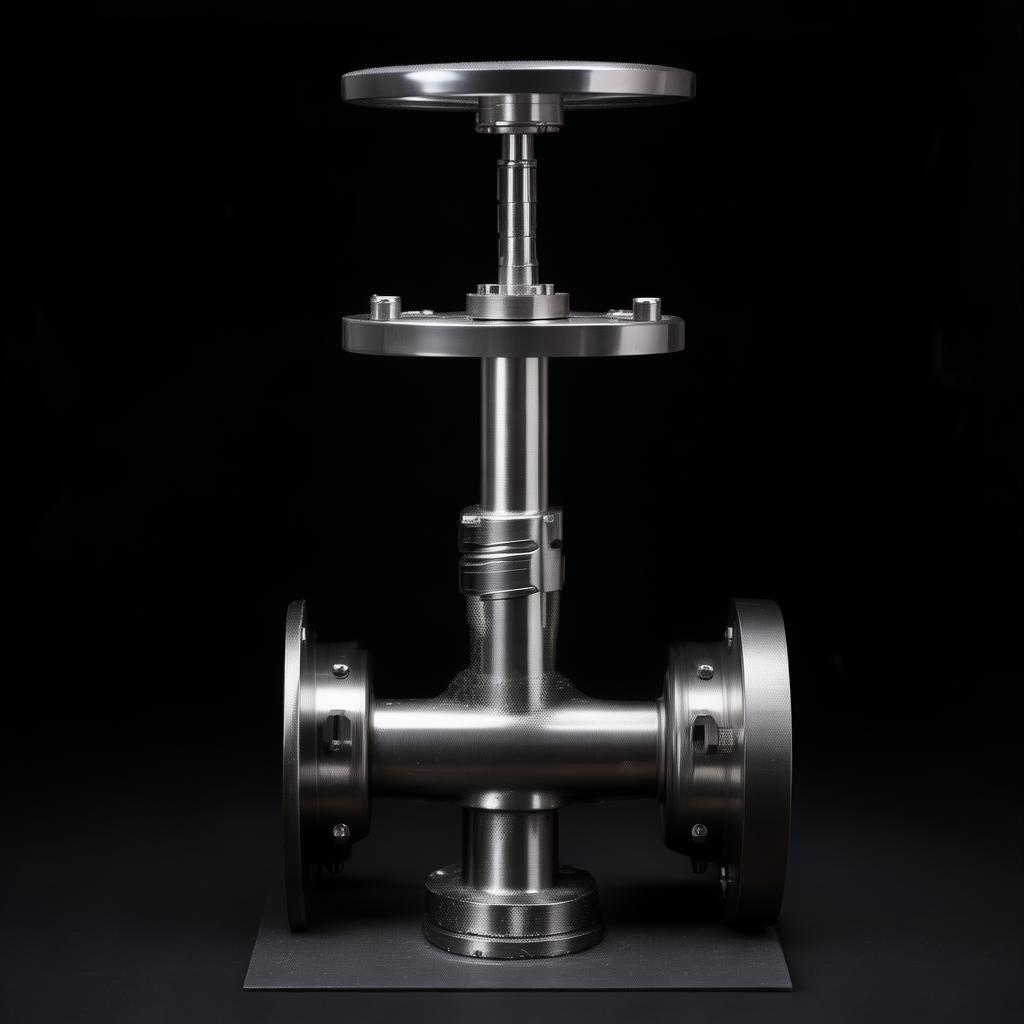
Trusted by Pump Distributors & MRO Teams Across the US
Thriveon foot valves ship to 34 US states and are specified by engineering firms for reliability in harsh well conditions.
“Specified on 120+ well installations since 2022.”
“Reduced field callbacks by 28% with Thriveon foot valves.”
“Dewatering uptime improved from 82% to 96%.”
“4-inch flanged foot valves — 2-day lead time delivered.”
“We switched to Thriveon foot valves after repeated failures with cheap imports. The stainless steel screen and bronze seat held up in our 180-foot sand well — zero prime loss in 14 months. Their engineering team even modified the flange bolt pattern to match our existing columns at no extra cost.”
— Mark S., Senior Mechanical Engineer, Great Lakes Water Systems