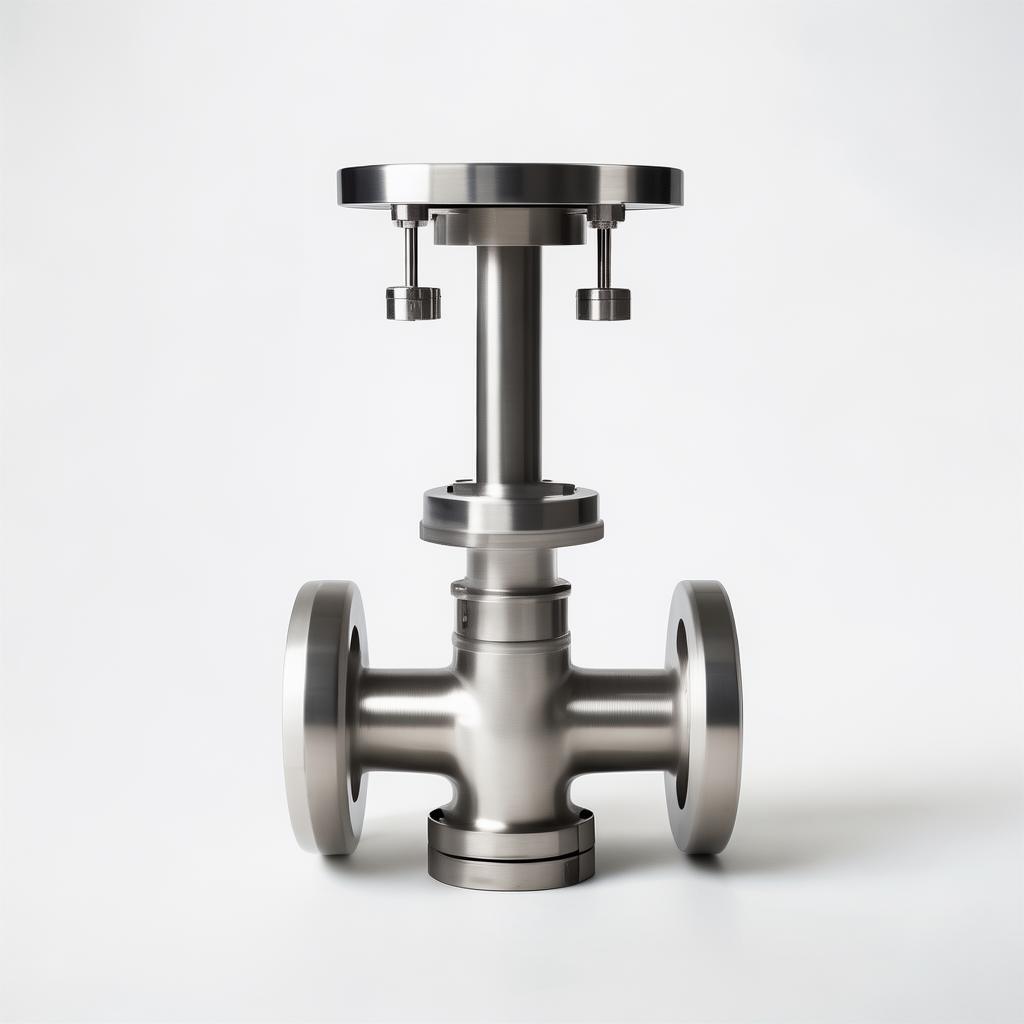
Ensure prime retention, prevent backflow, and reduce pump wear — discover how the right foot valve cuts maintenance costs by up to 37% for industrial water systems in the USA.
🔗 Get Free Quote in 24h💡 The root cause? A suboptimal foot valve that doesn’t match your pump type, fluid characteristics, or operating pressure. Let’s fix that.
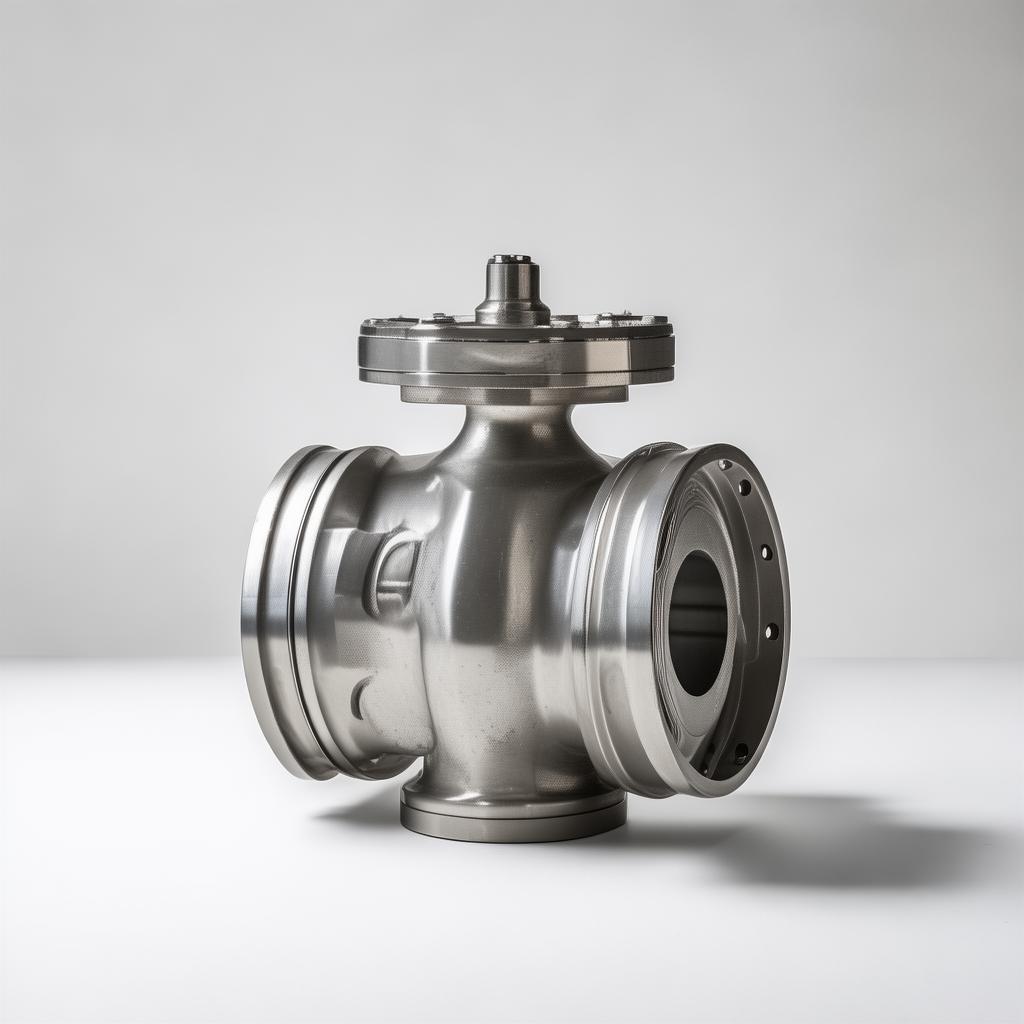
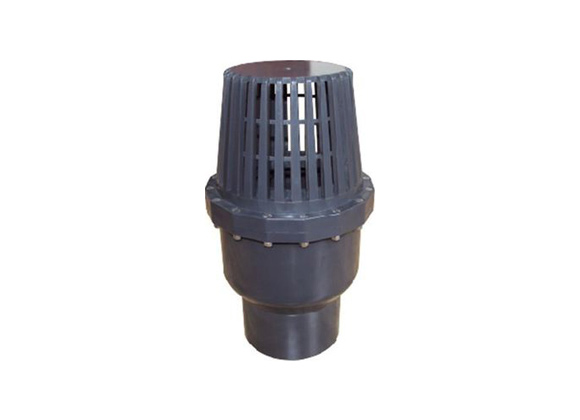
A foot valve for a pump is a specialized check valve installed at the suction line inlet (the “foot” of the pipe) to hold the pump prime and prevent reverse flow when the pump stops. It combines a strainer, a spring-loaded or swing disc, and a sealing seat in a single compact body.
In plain terms: it keeps water (or other liquids) inside the suction pipe so your pump doesn’t have to re-prime every time it starts — saving electricity, wear, and labor.
💡 Key engineering insight: A high-quality foot valve should have < 0.5% leakage at rated pressure and a cracking pressure below 0.5 psi to minimize suction head loss. Thriveon foot valves are tested to meet these thresholds.
| Parameter | Thriveon Standard | Industry Typical |
|---|---|---|
| Body Material | Cast Iron / Ductile Iron / Stainless Steel 304/316 | Cast Iron only |
| Disc Material | SS304 / Brass / Bronze | Plastic or coated steel |
| Seal Material | NBR / EPDM / Viton (FDA-grade optional) | NBR only |
| Pressure Rating | 200 psi (PN16) — up to 300 psi on request | 150 psi (PN10) |
| Temperature Range | -20°C to +120°C (EPDM up to 140°C) | 0°C to +80°C |
| Strainer Mesh | 3 mm perforated (optional 1.5 mm or 6 mm) | Fixed 4 mm |
| Connection End | Threaded (NPT/BSP) / Flanged (ANSI 150/300) | Threaded only |
| Size Range | 1/2” to 12” (DN15 to DN300) | 3/4” to 6” |
| Leakage Rate | < 0.3% at rated pressure (tested 100%) | < 1% (sample tested) |
| Standards | ISO 9001, CE, RoHS, ANSI B16.34 | Varies |
what is foot valve in water pump pump foot valve what is a foot valve on a well pump
🔢 All Thriveon foot valves are 100% hydrostatically tested before shipment. OEM/ODM designs available with custom spring force, mesh size, and end connections.
→ Request Full Datasheet & Drawing📌 Whether your application is potable water, wastewater, irrigation, fire protection, or industrial transfer, the right foot valve design directly impacts total cost of ownership.
✅ 10+ years exporting to the USA, Saudi Arabia, South Africa, and Italy — over 180,000 foot valves delivered with a 99.3% on-time rate.
A foot valve is a type of check valve specifically designed for pump suction lines. It includes an integrated strainer to block debris and is installed vertically at the pipe inlet (the “foot”). A standard check valve typically does not have a strainer and can be installed in any orientation.
Match the foot valve size to the pump suction port diameter — never reduce the line size. For example, a 4” pump suction needs a 4” foot valve. Undersizing increases friction loss and may cause cavitation. Check the flow rate (GPM) against the valve’s Cv factor; Thriveon provides Cv charts for every model.
Yes, but you need a foot valve with a low cracking pressure (ideally < 0.3 psi) to ensure it opens reliably at reduced flow. Thriveon’s spring-loaded poppet design performs consistently across VFD-driven systems, tested down to 20% of rated speed.
In clean water applications, a quality foot valve lasts 5–8 years. Inspect the strainer and seal annually — if you notice loss of prime or visible debris on the seat, replace the seal kit (Thriveon offers replacement kits for all sizes). In abrasive or corrosive fluids, schedule inspection every 6 months.
Absolutely. Thriveon foot valves are available with FDA-grade EPDM seals and stainless steel internals that meet NSF/ANSI 61 requirements. Specify “FDA/NSF61” when ordering, and we supply a material certificate with every batch.
Yes — we regularly produce custom foot valves with specific spring forces, strainer mesh sizes, special end connections (grooved, victaulic, flanged), and with laser-engraved branding. MOQ is 100 pcs for custom designs. Contact our engineering team with your drawing or specification.
We ship via sea (FOB Tianjin or CIF major US ports) and air (DHL, FedEx, UPS for small orders). Typical sea freight to Los Angeles / Houston takes 25–30 days. For urgent needs, we offer express sea service (15–18 days) at a small premium. All shipments include full commercial invoice, packing list, and certificate of origin.
Get a free technical consultation and a competitive quotation within 24 hours. Request a sample at material cost — we’ll refund the sample fee on your first bulk order.
✅ 100% hydrostatic tested | ISO 9001 certified | 12-month warranty against manufacturing defects

© 2026 Ningjin Thriveon Valve Co., Ltd. All data and specifications are for informational purposes and may vary by model. Contact our engineering team for project-specific recommendations. Privacy Policy applies.
Related Products
 Call us on:
+86-311-86935302
+86-311-86935302
Call us on:
+86-311-86935302
+86-311-86935302
 Email Us:
info@thriveonvalve.com
Email Us:
info@thriveonvalve.com South of Huanmadian Village Town, Ningjin County, Xingtai, Hebei Province, China