
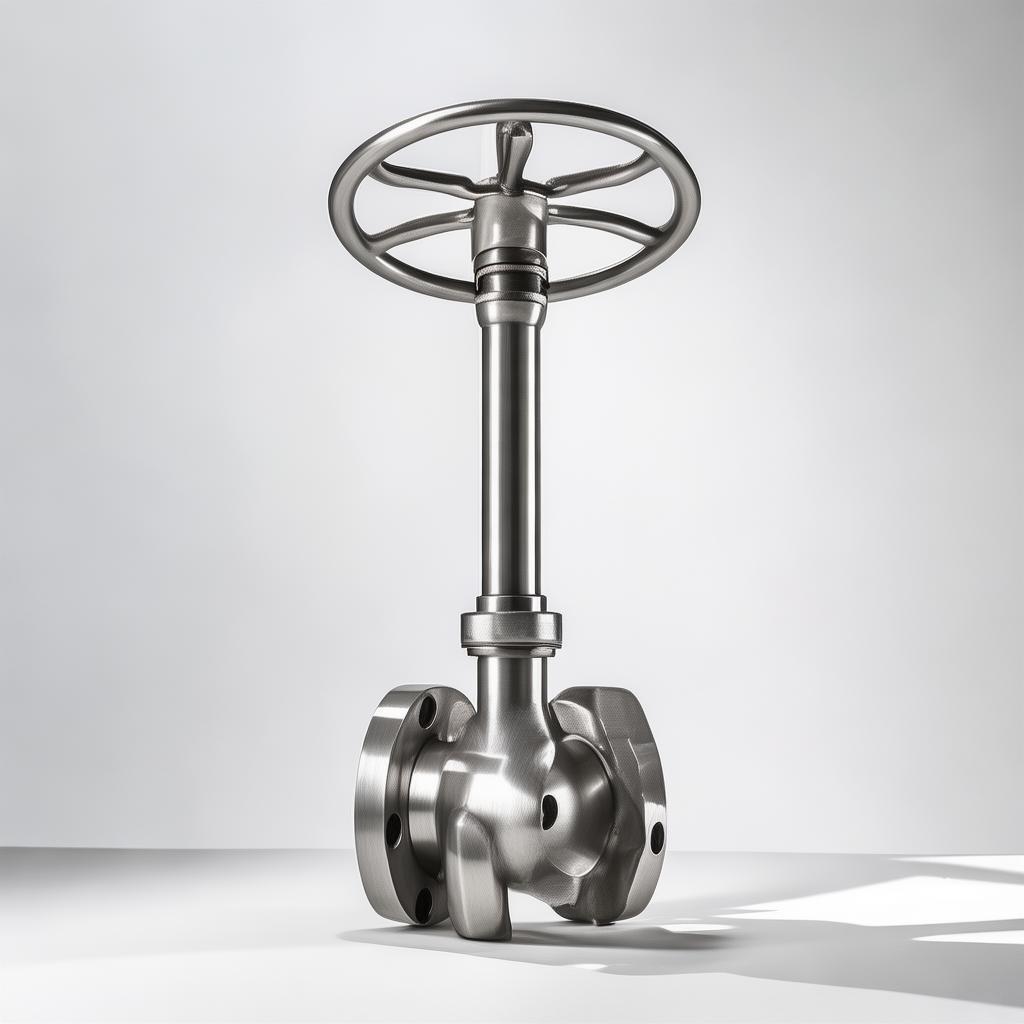
Stop overpaying for the wrong valve design. Understand the critical differences between wafer-style and lug-style butterfly valves, slash procurement errors, and choose the exact configuration for your pipeline — backed by 18+ years of manufacturing expertise.
Get Free Quote in 24h →Every month, procurement teams across North America and Europe misinterpret "wafer valve" and "butterfly valve" as entirely different product categories — and it costs them 18–30% in unnecessary spend, delayed shipments, and field failures.
🔴 Common pain points we hear from purchasing managers:
If any of these sound familiar, you're not alone. The global valve market is projected to reach $98.6 billion by 2027, and mis-specification remains the #1 cause of procurement inefficiency. Let's clear the confusion once and for all.
Here's the truth that many suppliers won't tell you: A "wafer valve" is not a separate valve category — it is a body style of a butterfly valve. The correct comparison is wafer-style butterfly valve vs lug-style butterfly valve, or butterfly valve vs gate/globe/ball valve.
🔑 Key Insight for Buyers: When a supplier lists "wafer valve" vs "butterfly valve," they are most often comparing wafer-style butterfly valves (for clamping between flanges) with lug-style butterfly valves (with threaded inserts for independent flange mounting). Always ask: "Wafer body or lug body?"
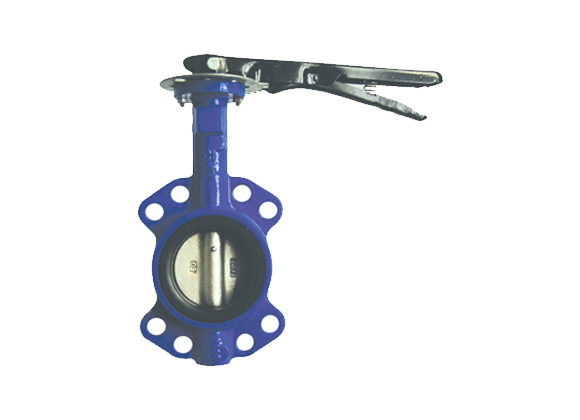
A wafer-style butterfly valve is designed with a compact body that is sandwiched (clamped) between two pipe flanges. It uses through-bolts that pass entirely through the valve body and connect both flanges. It is lightweight, low-cost, and ideal for systems that do not require end-of-line service or isolation.
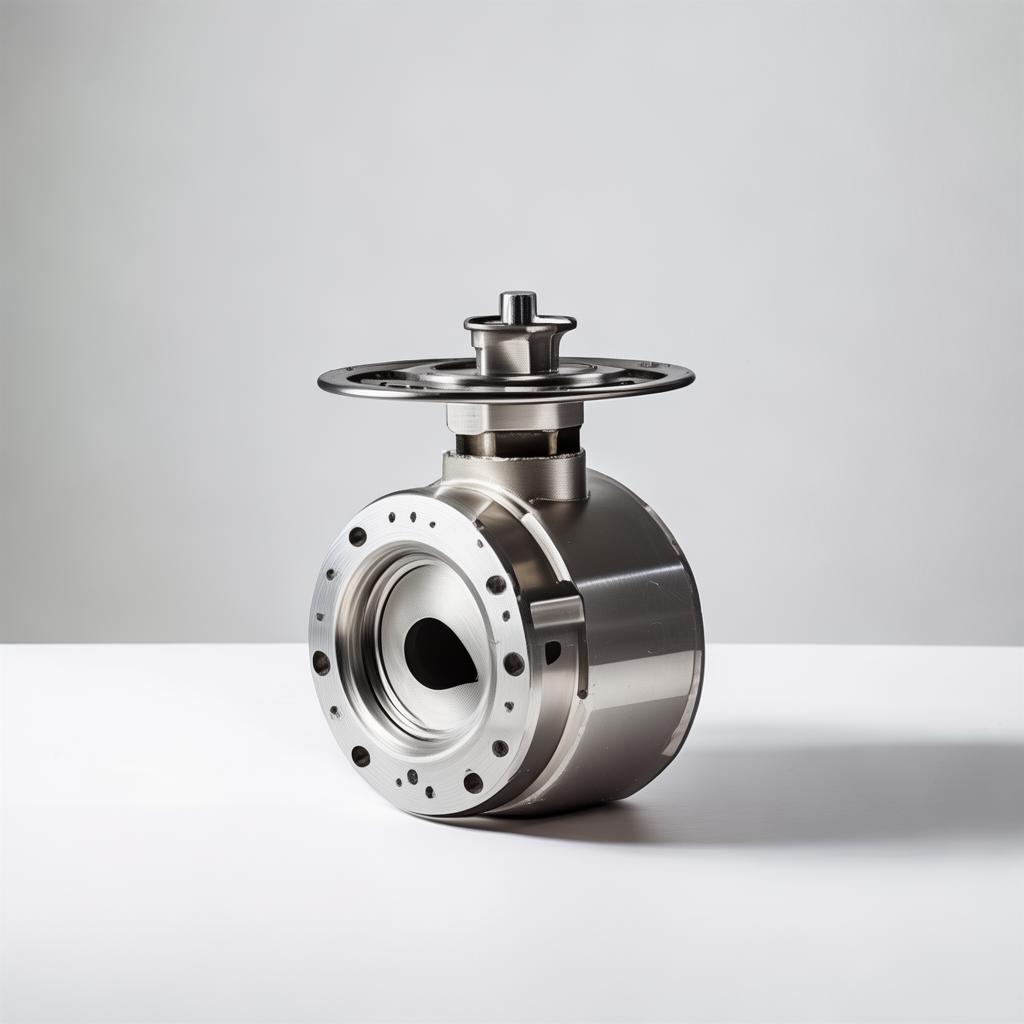
A lug-style butterfly valve features threaded lugs (inserts) on both sides of the valve body. It can be bolted directly to one flange while leaving the other side free — enabling dead-end service and system maintenance without downstream drainage. It is heavier, more expensive, and preferred for critical or isolated sections.
Butterfly valves are quarter-turn rotational valves that use a disc to regulate or isolate flow. They come in multiple body styles: wafer, lug, flanged, and butt-weld. The term "butterfly valve" refers to the disc-and-seat mechanism, while "wafer" or "lug" describes how it mounts to the pipeline.
Use this table to evaluate which body style fits your application, budget, and maintenance philosophy.
| Parameter | Wafer-Style Butterfly Valve | Lug-Style Butterfly Valve |
|---|---|---|
| Body Design | Compact, no threaded lugs; clamped between flanges | Threaded lugs on both sides; bolts thread into valve body |
| Mounting Method | Through-bolts pass through both flanges and valve body | Bolts thread into lugs; each flange can be independently bolted |
| Dead-End Service | ❌ Not suitable — valve cannot hold pressure on one side alone | ✅ Suitable — can isolate downstream line for maintenance |
| Bidirectional Sealing | ✅ Yes (in most designs) — seals in both flow directions | ✅ Yes — designed for bidirectional pressure |
| Weight (150mm, 16 bar) | ~12–16 kg | ~18–25 kg (40–60% heavier) |
| Relative Cost | 1.0× (baseline) | 1.4–1.8× (40–80% premium) |
| Flange Standards | ANSI B16.5, DIN PN10/16, JIS 10K | ANSI B16.5, DIN PN10/16, JIS 10K |
| Maintenance Convenience | System must be drained to remove valve | Downstream section can be isolated; valve removed independently |
| Typical End-of-Line Use | ❌ Not recommended | ✅ Designed for dead-end service |
| Pressure Rating | Up to 20 bar (standard resilient seated) | Up to 25 bar (standard resilient seated) |
| Temperature Range | -10°C to +120°C (EPDM) / up to +200°C (PTFE) | -10°C to +120°C (EPDM) / up to +200°C (PTFE) |
| Common Applications | Water treatment, HVAC, food processing, general isolation | Oil & gas, chemical plants, firefighting systems, critical isolation |
📌 Procurement Tip: If your system requires periodic maintenance of downstream equipment without shutting down the entire line, choose lug-style. If you're building a simple isolation system with no dead-end requirements, choose wafer-style and save 40–60% per valve.
Wafer valves are 30–50% faster to install because they require only through-bolts and centering. Lug valves need individual bolt torquing on each side, adding 15–25 minutes per valve.
Wafer valves share many internal parts (disc, seat, stem) with lug versions. At Thriveon, we design interchangeable seat and disc assemblies across both body styles — reducing your spare parts SKUs by 40%.
A DN150 wafer valve weighs ~14 kg vs ~22 kg for lug. For a 100-valve order, that's 800 kg less shipping weight — saving $1,200–1,800 on ocean freight to the US West Coast.
Lug valves provide positive isolation in dead-end service — critical for OSHA and HACCP compliance in food and chemical plants. Wafer valves must never be used as end-of-line isolators.
Use this decision framework to match your pipeline requirements to the right body style. We've mapped the four most common scenarios.
| Application Scenario | Recommended Valve Style | Rationale |
|---|---|---|
| 1. Water treatment plant — simple isolation, no dead-end lines | Wafer-style butterfly valve | Lowest cost, compact, easy to install. No need for lug features. |
| 2. Chemical processing — frequent maintenance of downstream pumps | Lug-style butterfly valve | Allows pump removal without draining the main line. Safety and uptime priority. |
| 3. HVAC system in a commercial building — limited space, high density | Wafer-style butterfly valve | Short face-to-face dimension fits tight spaces. Lower weight reduces structural load. |
| 4. Firefighting system — requires end-of-line isolation per NFPA | Lug-style butterfly valve | NFPA 24 mandates dead-end isolation capability. Lug valves meet code. |
| 5. Food & beverage — CIP/SIP cleaning cycles, frequent disassembly | Lug-style butterfly valve (PTFE seat) | Removable for cleaning; PTFE seat withstands hot CIP chemicals. |
| 6. Oil & gas gathering lines — high pressure, critical service | Lug-style (or flanged) butterfly valve | Higher pressure rating, dead-end capability, and actuator mounting reliability. |
wafer butterfly valve wafer style butterfly valve wafer vs lug butterfly valve
⚙️ Thriveon's Engineering Support: Not sure which body style fits your pressure class, flange standard, or medium? Our team of senior engineers provides free valve specification reviews within 4 business hours. Send your P&ID or datasheet to info@thriveonvalve.com.
Not exactly. A "wafer valve" is a body style of a butterfly valve. All wafer valves are butterfly valves, but not all butterfly valves are wafer-style. Butterfly valves also come in lug, flanged, and butt-weld body styles. When someone says "wafer valve vs butterfly valve," they typically mean wafer-style butterfly valve vs lug-style butterfly valve.
No — this is a critical safety limitation. Wafer-style butterfly valves rely on being clamped between two flanges. They have no threaded lugs to hold the valve in place independently. Using a wafer valve at the end of a line can cause the valve to slip or the disc to dislodge under pressure. Always use lug-style or flanged butterfly valves for dead-end or end-of-line applications.
Wafer valves use less material (no threaded lugs, thinner body), have a simpler casting and machining process, and weigh 40–60% less. For a DN150 valve, the raw material savings alone account for roughly 30–35% of the cost difference. Lower shipping weight also reduces logistics cost by 15–20%.
Yes — wafer butterfly valves are designed to fit between ANSI B16.5 Class 150 and Class 300 flanges, as well as DIN PN10/16 and JIS 10K. However, the bolt hole alignment must be verified. At Thriveon, we offer dual-drilled flange patterns (ANSI/DIN) on our standard wafer valves to ensure compatibility across global projects.
Both accept the same actuator mounting top flange (ISO 5211 standard). However, lug-style valves are preferred for actuated applications because the rigid body provides better stability under high cycling loads. For large actuators (DN200+), lug-style reduces vibration and extends seat life. Thriveon offers pre-assembled actuated packages with pneumatic or electric actuators — fully tested before shipment.
Standard lead times (2026): Wafer-style butterfly valves: 14–21 working days. Lug-style butterfly valves: 18–25 working days. For OEM/ODM custom designs (special seat materials, custom stem length, unique coatings), add 7–10 days. We offer express production (7–10 days) for orders above 200 units — contact us for availability.
Yes. We provide free samples (wafer or lug style, up to DN80) for qualified industrial buyers. You pay only the shipping cost. Samples are fully tested with a test certificate. This allows you to verify dimensions, seat material, and pressure performance before committing to a full container order. Request your sample here.
Absolutely. Thriveon has an experienced engineering team with 18+ years of OEM/ODM experience. We customize: disc material (SS304, SS316, duplex, aluminum bronze), seat material (EPDM, NBR, PTFE, Viton), stem design, coating (epoxy, nylon, PTFE), actuator interface, and packaging with your branding. Minimum OEM order: 100 units per size. Send your drawing or specification to info@thriveonvalve.com for a same-day feasibility review.
Here's what actual buyers have shared after working with Thriveon Valve for their wafer and butterfly valve needs.
"Finally, a Chinese supplier who understands ANSI standards." We had issues with previous suppliers sending valves with wrong bolt patterns. Thriveon's team personally verified our flange specs before production. The wafer butterfly valves arrived perfect — saved us a 3-week rework cycle.
"The lug-style valves we ordered for our chemical plant passed SGS inspection with zero non-conformances." Seat hardness, disc thickness, and pressure test results all exceeded our specs. This is our third repeat order. Consistent quality is hard to find — Thriveon delivers it.
"Switching to Thriveon's wafer butterfly valves reduced our valve spend by 31% annually." We use them in our bottled water lines. The EPDM seat material is certified for food contact and has lasted 18+ months with zero leakage. Highly recommend for the food and beverage industry.
"We needed 600 lug-style butterfly valves for a fire safety retrofit in Johannesburg. Thriveon delivered in 25 working days — 3 weeks faster than our regular supplier." The valves complied with SANS 1032 and NFPA 24. Their documentation was complete and bilingual. Will definitely use again.
"I've been in valve procurement for 12 years. Thriveon is one of the few Chinese manufacturers that actually responds to technical emails within hours." Their engineers helped us select a PTFE-seated wafer valve for a high-purity application. The valve passed our 5000-cycle test. Trust built.

Senior Valve Engineer & Technical Director, Ningjin Thriveon Valve Co., Ltd.
Michael has 22 years of experience in the industrial valve industry, specializing in butterfly valve design, material selection, and international standardization (ANSI, DIN, JIS). He has led over 300 OEM/ODM projects for clients in 20+ countries and regularly contributes to industry publications on valve specification best practices. His technical audits have helped buyers reduce procurement errors by an average of 27%.
📧 info@thriveonvalve.com | 📞 +86-311-86935302
Stop guessing between wafer and lug designs. Get a free valve specification review from our engineering team within 24 hours — plus a competitive quote that fits your budget and timeline.
⏳ Offer: Free sample for qualified buyers (valve size DN50 or DN80, limit 2 per company). 🚚 Risk-free: Full refund if product does not meet agreed specifications. 🔒 Your inquiry is handled confidentially under our Privacy Policy.
Related Products
 Call us on:
+86-311-86935302
+86-311-86935302
Call us on:
+86-311-86935302
+86-311-86935302
 Email Us:
info@thriveonvalve.com
Email Us:
info@thriveonvalve.com South of Huanmadian Village Town, Ningjin County, Xingtai, Hebei Province, China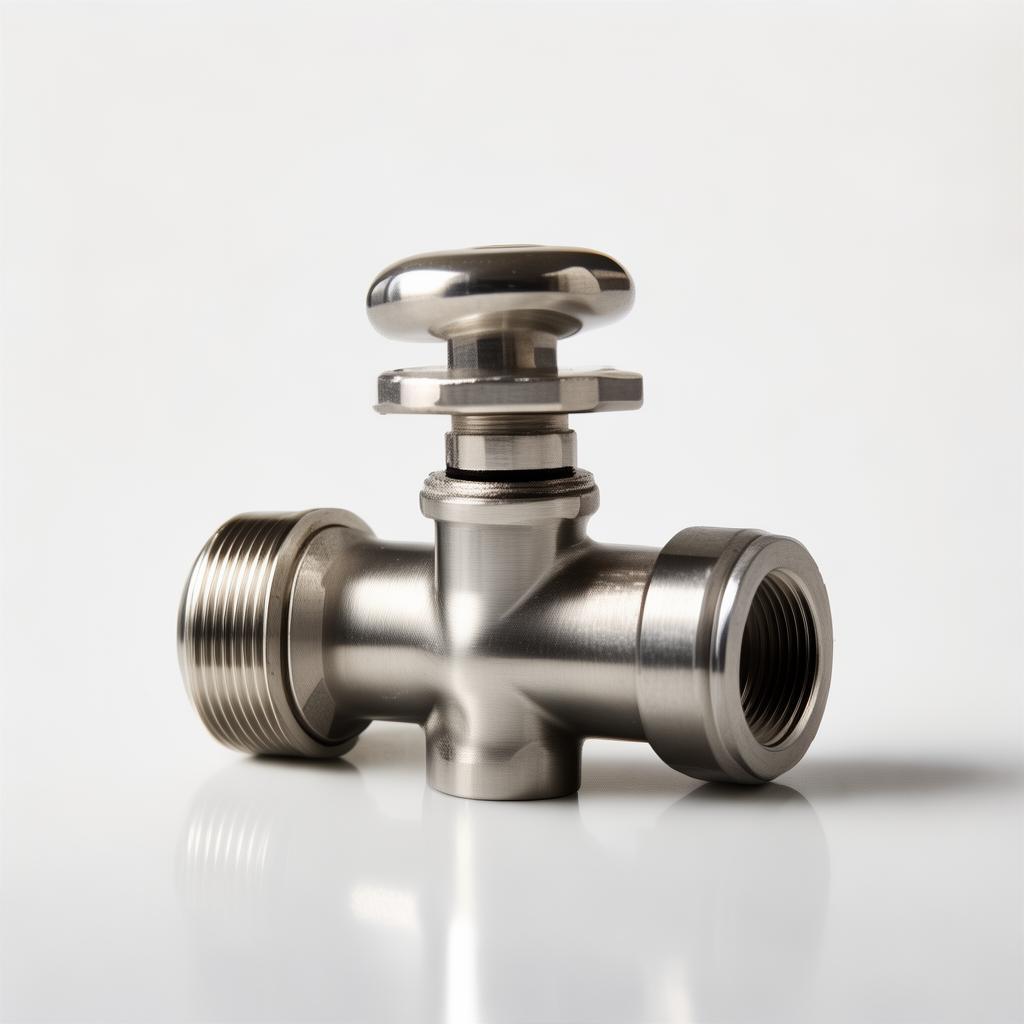
Trusted by Industry Leaders Across 4 Continents
Since 2006, Thriveon Valve has supplied over 120,000 valve sets to customers in the United States, Saudi Arabia, South Africa, Italy, and beyond. Our valves are installed in water treatment plants, oil refineries, food processing lines, and commercial HVAC systems.
Certifications & Quality Assurance
Full certification packages available upon request. Third-party testing (DNV, SGS, BV) welcome at buyer's cost.
Customer Testimonials
"We replaced a major European supplier with Thriveon's lug-style butterfly valves for our Texas water treatment plant. The quality matched — and we cut our per-unit cost by 37%. Lead time dropped from 10 weeks to 4."
"Thriveon's engineering team helped us standardize on a single wafer butterfly valve design across 12 food processing lines. We reduced spare parts inventory by 52% and simplified maintenance training."
"We switched to Thriveon for our fire protection system valves in Jeddah. They met NFPA 24 requirements, provided full documentation in English, and shipped 22 days faster than our previous supplier."