Stop guessing. Learn the exact technical, maintenance, and cost differences between wafer and lug butterfly valves—so you can make a confident, ROI-driven decision for your piping system.
🔧 Used by engineering teams at U.S. chemical plants & municipal water utilities to reduce downtime and inventory complexity.
Every procurement manager and plant engineer faces the same dilemma: wafer type butterfly valve vs lug type. Choose incorrectly, and you’ll face:
You need a clear, technical comparison—not sales hype—to get it right.
Both are quarter-turn valves with a disc that rotates 90° to control flow. The difference is how they attach to the piping system—and that changes everything about their application, maintenance, and cost.
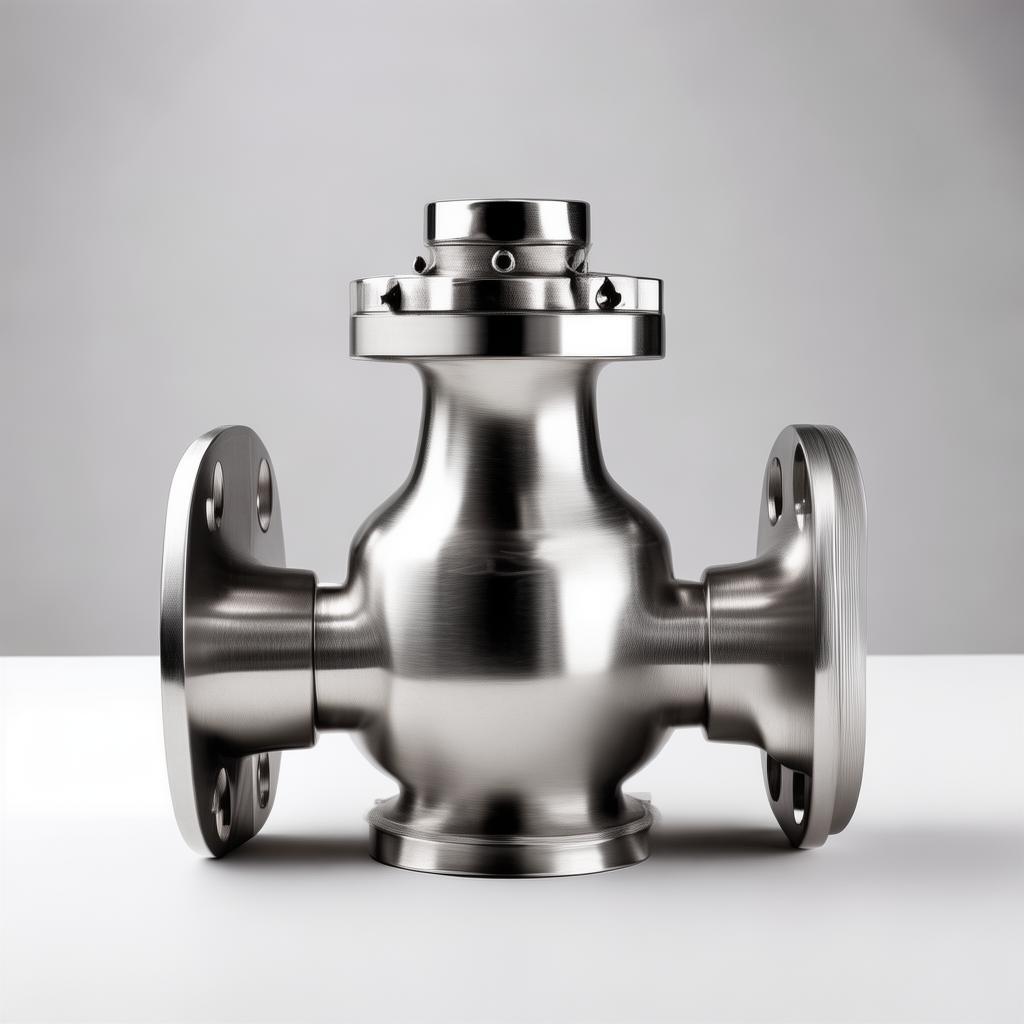
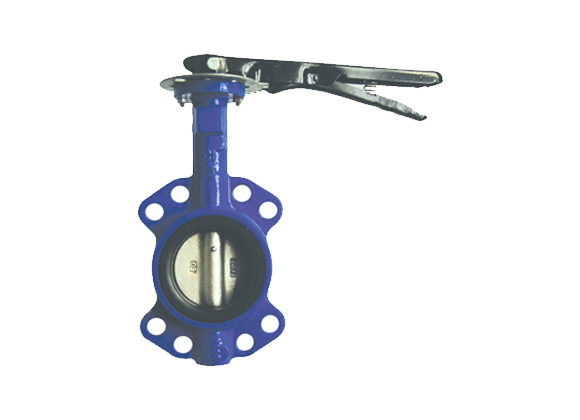
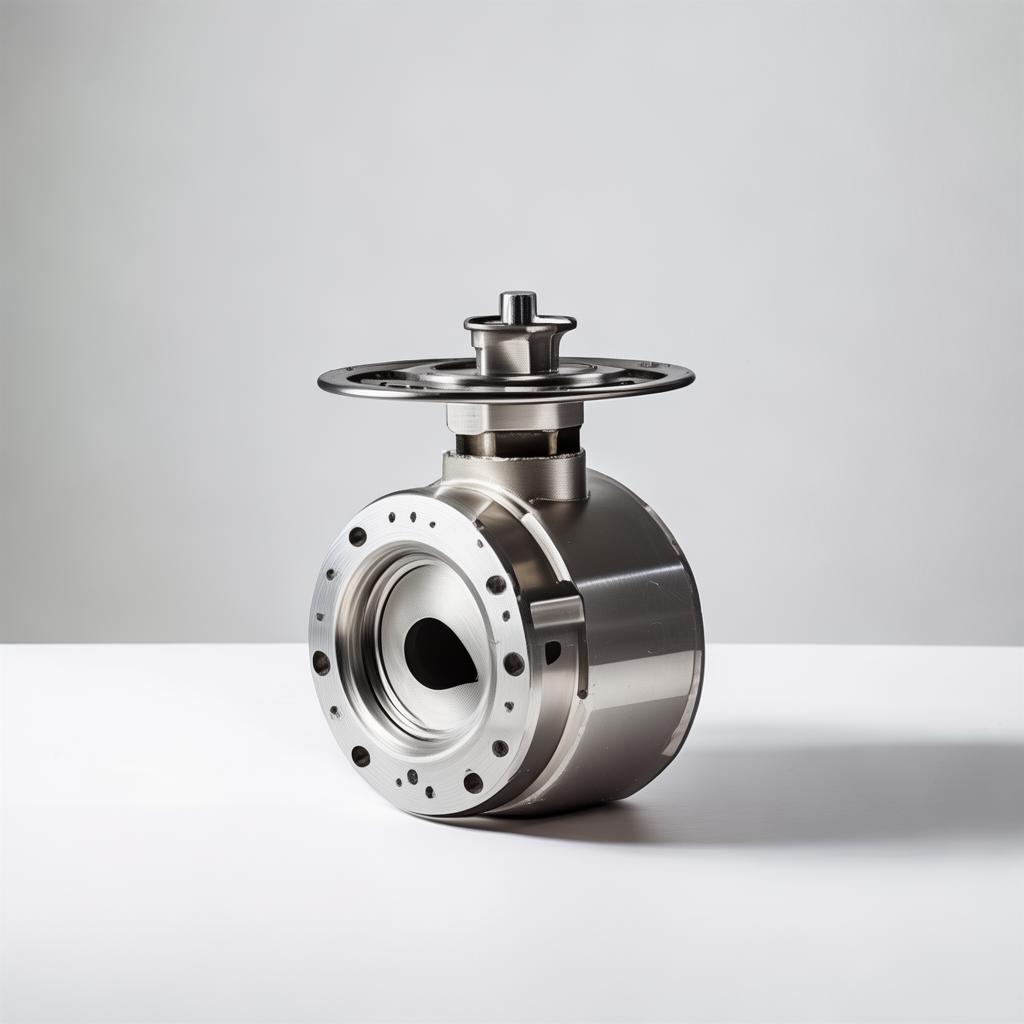
Design: Clamps between two pipe flanges. Centering rings or short bolts align the valve.
Best for: Continuous lines, OEM skids, budget-sensitive projects.
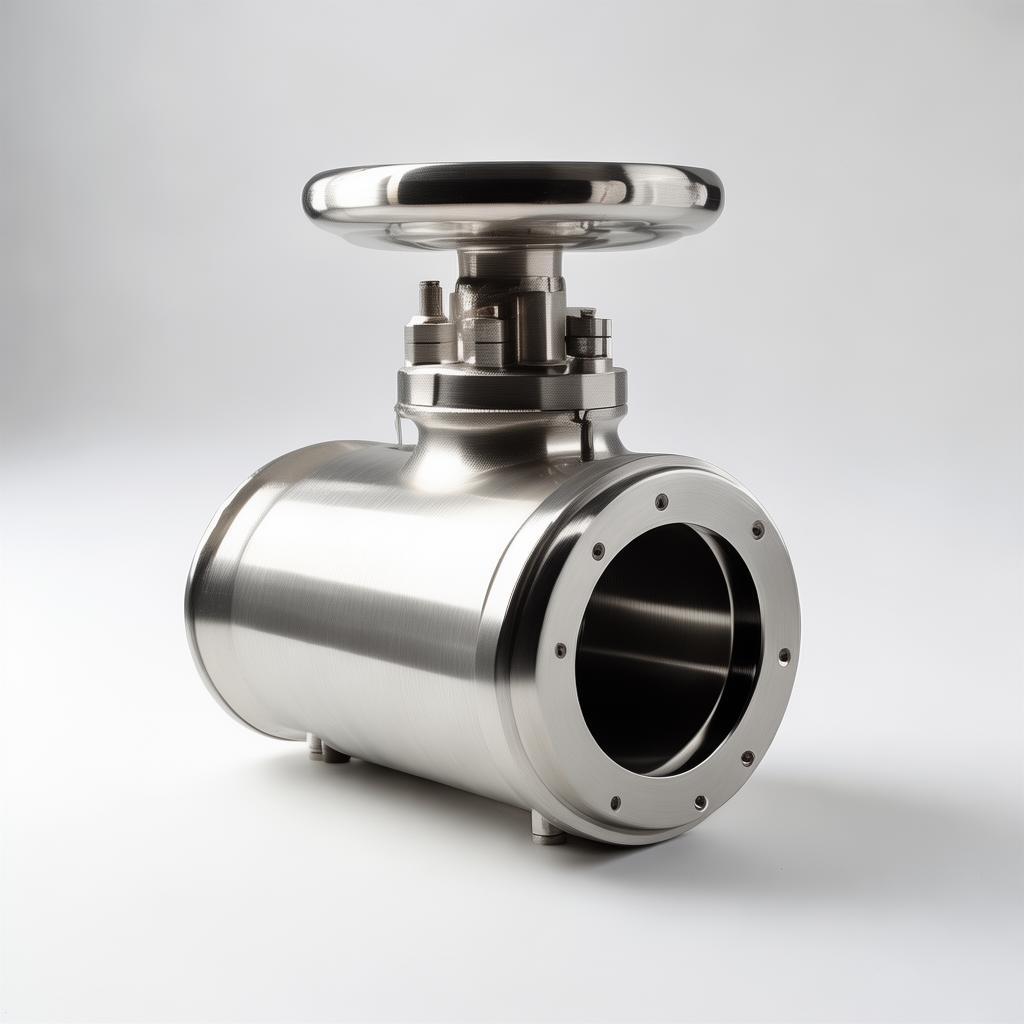
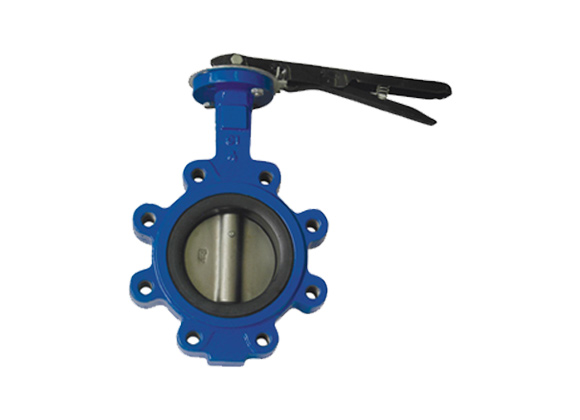
Design: Threaded lugs (inserts) on the valve body allow bolting directly to flanges.
Best for: End-of-line, pump isolation, fire protection, critical maintenance loops.
| Comparison Factor | Wafer Type Butterfly Valve | Lug Type Butterfly Valve |
|---|---|---|
| Dead-End Service | ❌ Not allowed (requires downstream flange) | ✅ Fully capable (rated for full pressure at one end) |
| Maintenance | Requires shutting down the entire line | Allows isolation of one side; system stays live |
| Weight (6”, Class 150) | ~45 lbs (lighter, easier to handle) | ~68 lbs (heavier, requires stronger support) |
| Initial Cost | Lower (typical savings 20–35%) | Higher (premium for threaded inserts & body mass) |
| Total Installed Cost | May be higher if blank flanges are needed | Lower for dead-end applications (no extra flanges) |
| Standards | ANSI B16.34, API 609, AWWA C504 | ANSI B16.34, API 609, AWWA C504 |
wafer vs lug type butterfly valve wafer vs lug butterfly valve what is the difference between lug and wafer butterfly valves
💡 Thriveon’s Engineering Edge: All our lug butterfly valves feature high-strength ductile iron (ASTM A536) and precision-machined threaded inserts that exceed API 609 torque requirements. We offer standard drilling patterns (ANSI 125/150, DIN PN10/16) and custom OEM drilling to match your existing infrastructure—so you can swap brands without redesigning your piping.
“Thriveon helped us standardize our valve selection. By switching from mixed wafer/lug inventory to lug-type for all isolation points, we reduced SKUs by 20% and eliminated emergency shutdowns caused by wrong valve installation.”
— Ryan T., Plant Engineering Manager, Texas Chemical Processing
“We sourced 1,200 wafer butterfly valves for a municipal water treatment upgrade. The quality was consistent, the lead time was 3 weeks (half of what we expected), and the pricing beat domestic suppliers by 35%.”
— Linda R., Procurement Director, Colorado Water Authority
Get clear, actionable answers to the most common procurement and engineering questions.
“I was skeptical about sourcing lug valves from China for our dead-end pump isolation service. But Thriveon’s engineer walked me through the design, sent a sample, and the quality was better than the Italian valves we used for 10 years. We saved 32% on the first order.”
— Paul W., Maintenance Superintendent, Ohio Chemical Solutions (USA)
“We needed 2,000 wafer valves for a large water project in under 4 weeks. Thriveon delivered in 18 days. The valves fit perfectly on our standard flanges, and the commissioning team had zero fit-up issues.”
— Sarah L., Project Procurement, Coastal Water Utility (Canada)
“Our Australian mining operation uses Thriveon lug valves for slurry isolation. The bodies are tough, the discs are SS316, and the price is unbeatable. We’ve placed 4 repeat orders this year alone.”
— Mike D., Site Engineering Manager, Pilbara Minerals (Australia)
“What sets Thriveon apart is the engineering support. They didn’t just sell us valves; they helped us redesign our isolation philosophy—switching from wafer to lug in critical areas—which reduced our maintenance downtime by 40%.”
— David K., Process Engineering Director, Petrochemical Plant (Saudi Arabia)
You need the right valve at the right total cost. Let our senior engineers review your P&ID or specs and recommend the exact model—wafer or lug—with a firm quote and lead time.
✅ Risk-Free Guarantee: Free samples for qualified projects | 12-month warranty | 48-hour technical response
📞 Call: +86-311-86935302 | 📧 Email: info@thriveonvalve.com
Ningjin Thriveon Valve Co., Ltd. — South of Huanmadian Village Town, Ningjin County, Xingtai, Hebei, China

With over 18 years in fluid control, James has advised on valve selection for more than 200 major plants across the U.S., Middle East, and Australia. He is a regular contributor to Valve Magazine and specializes in cost-optimized, code-compliant piping solutions.
Related Products
 Call us on:
+86-311-86935302
+86-311-86935302
Call us on:
+86-311-86935302
+86-311-86935302
 Email Us:
info@thriveonvalve.com
Email Us:
info@thriveonvalve.com South of Huanmadian Village Town, Ningjin County, Xingtai, Hebei Province, China