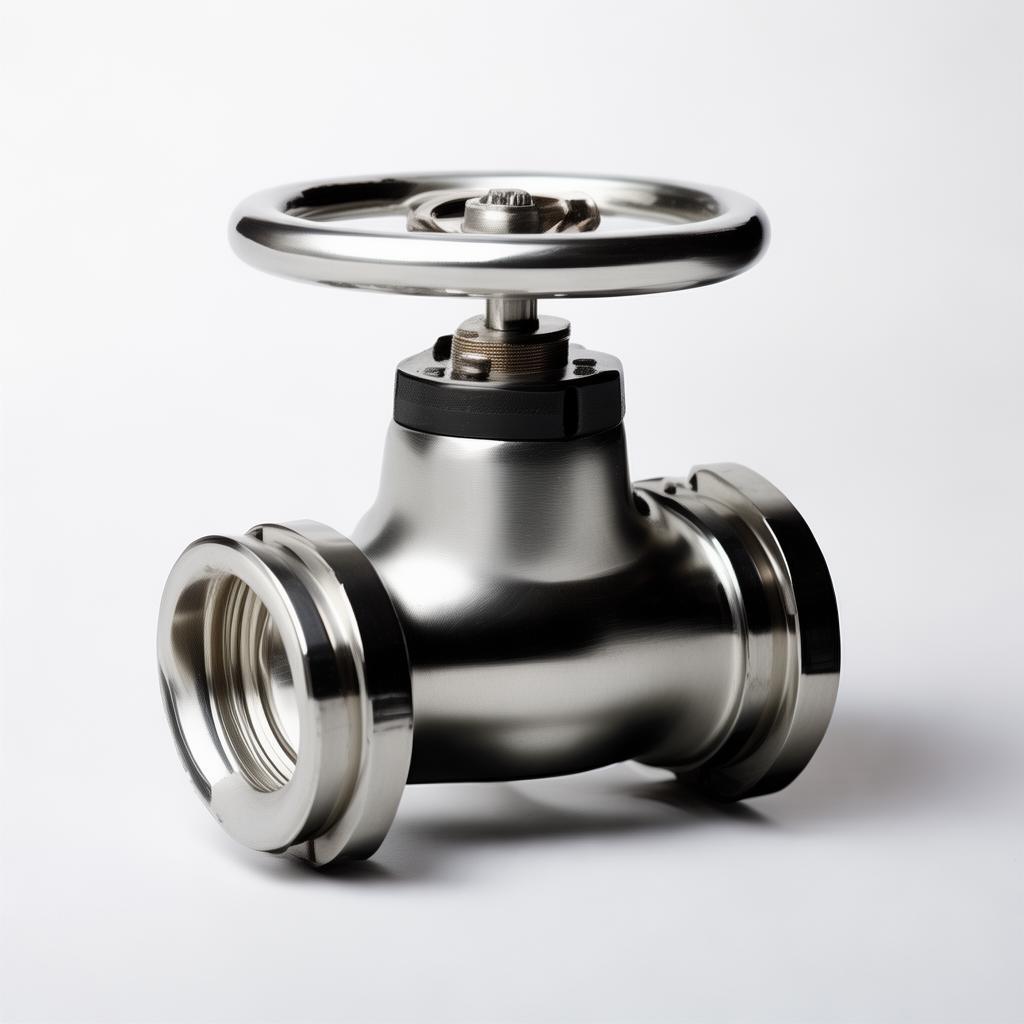
Make an informed procurement decision. We break down the engineering differences, total cost of ownership, and application-specific advantages of lug and wafer butterfly valves—so you can reduce downtime and optimize your pipeline budget.
Trusted by US chemical plants, water treatment facilities, and HVAC contractors.
Selecting the wrong valve type—or an unreliable supplier—leads to cascading costs and operational headaches. Here are the real-world challenges procurement and engineering teams face:
Using a wafer valve in a dead-end service application where a lug valve is required creates a high risk of uncontrolled leaks. This means unplanned shutdowns that can cost $5,000–$15,000 per hour in lost production.
Low-quality valves fail prematurely. Frequent replacements, spare parts inventory, and emergency repair labor quickly outweigh any upfront savings. A cheap wafer valve that fails in 18 months is 3x more expensive long-term than a quality lug valve lasting 10+ years.
Relying on undisclosed or unvetted suppliers often results in missed deadlines, inconsistent quality, and unexpected tariff fees. US buyers report that almost 40% face delays with first-time Chinese suppliers due to lack of direct factory communication.
Receiving valves that don't match ANSI/API standards (e.g., wrong face-to-face dimensions or pressure ratings) causes friction during installation and inspection. This leads to expensive rework and strained relationships with EPC contractors.
Understanding the core mechanical differences is the first step to optimizing your pipeline. Let's cut through the marketing and look at the engineering.
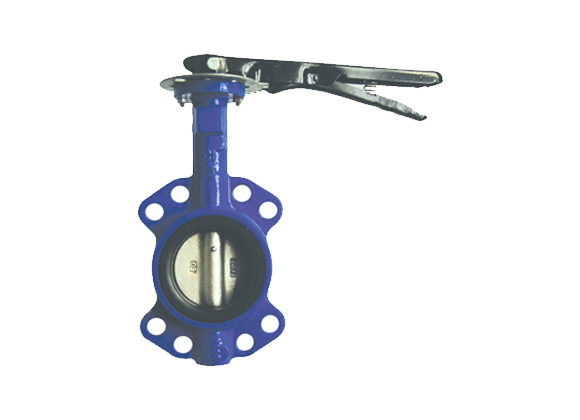
The wafer valve sits between two pipe flanges. Centering rings or lugs align it. The flange bolts pass through the pipe flanges and clamp the valve in place. It is a tight-fitting, low-profile design.
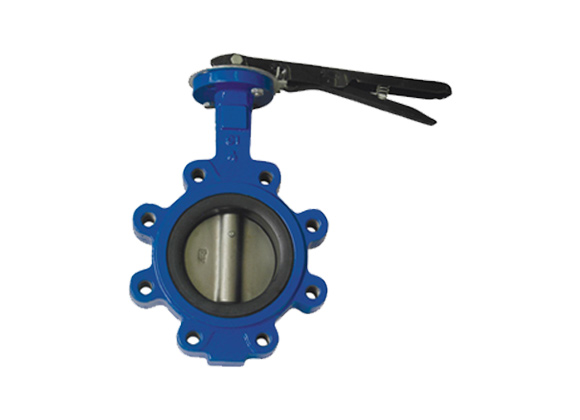
The lug valve features threaded inserts (lugs) cast into the valve body. Pipe flanges bolt directly into these lugs. This allows the system to be independently bolted on each side.
Use this table to quickly match the valve type to your specific pipeline requirement.
| Feature / Specification | Wafer Butterfly Valve | Lug Butterfly Valve |
|---|---|---|
| ANSI Pressure Class | 150#, 300# | 150#, 300#, Higher custom options |
| Dead-End Service | ❌ Not recommended (Design specific only) | ✅ Yes, fully rated dead-end capability |
| Bi-Directional Sealing | Yes (generally) | Yes (excellent, independent bolting) |
| Installation & Removal | Requires full system drain to remove valve | Downstream pipe can be removed independently |
| Typical Applications | HVAC, water treatment, simple on/off | Chemical processing, refineries, fire protection, dead-end lines |
| Weight & Footprint | Lighter, more compact | Heavier, slightly longer face-to-face* (usually same) |
| Relative Cost Factor | 1.0x (Baseline) | 1.2x - 1.5x (Higher upfront cost) |
lug vs wafer lug valve vs wafer lug vs wafer valve
*Note: Face-to-face dimensions are standardized by API 609, so they are typically identical for both types.
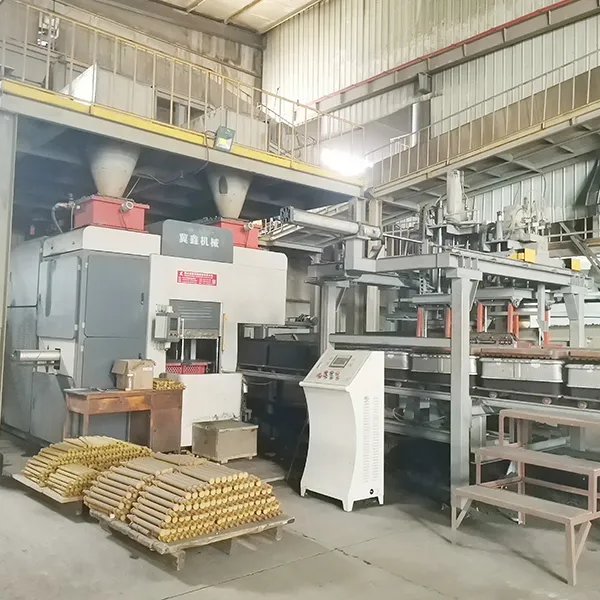
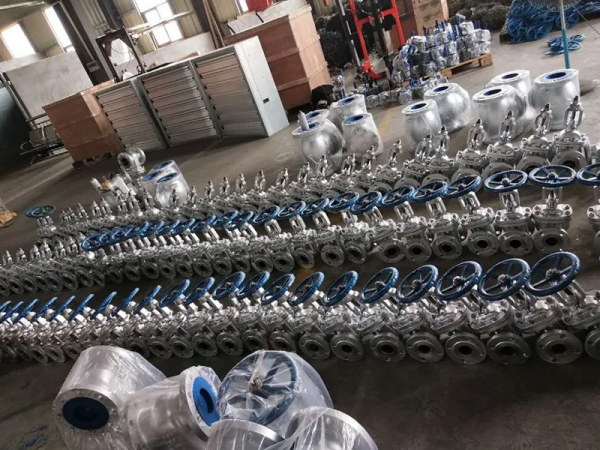
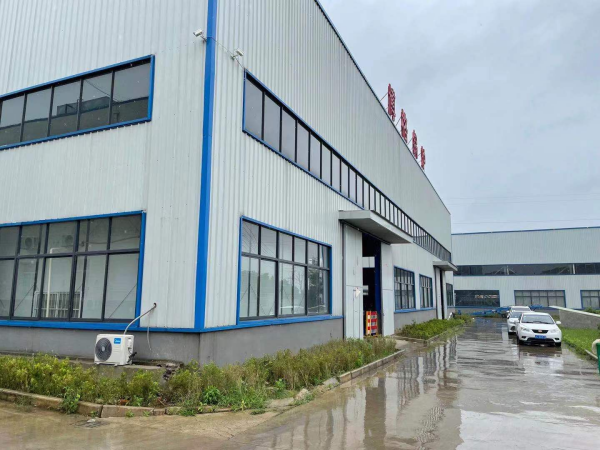
As a leading Northern China manufacturer with 10+ years of direct export experience to the United States, Ningjin Thriveon Valve Co., Ltd. provides a distinct advantage in quality, cost, and logistics.
Eliminate middlemen. Our large-scale manufacturing (500+ tons monthly output) allows us to offer competitive pricing without compromising on material integrity. Need a custom stem extension or special coating? Our OEM/ODM engineering team delivers in 3-4 weeks.
Every valve undergoes hydrostatic shell testing, seat leakage testing, and material verification. We provide EN 10204 3.1 material certificates traceable to the original steel mill. No shortcuts.
We manage the entire supply chain logistics. Standard lead time is 30-45 days from P.O. to FOB. We handle documentation, NAFTA compliance support, and coordinate with your freight forwarder to minimize shipping costs.
We supply lug and wafer valves pre-equipped with electric actuators (On-Off/Modulating) and pneumatic actuators (spring return/double acting), fully tested prior to shipment. ISO 5211 mounting pad complies with global standards.
A major US chemical manufacturer was using premium European lug valves for their dead-end isolation lines. They faced long lead times (16-20 weeks) and high unit costs. After evaluating Thriveon's quality control process and receiving free samples, they converted 3 plants to our Thriveon Lug Butterfly Valves (ANSI 150). The result: 30% reduction in procurement costs and on-time delivery rate of 98.5% over 2 years.
 + 50+ Industrial Distributors in USA
"We were initially skeptical about sourcing lug butterfly valves from China. Thriveon sent us a free sample, and the quality exceeded our expectations. The dead-end service capability is exactly as specified. We have now placed 4 repeat orders."

"Thriveon's wafer butterfly valves have been perfect for our HVAC retrofit project. The pricing was 25% below our existing distributor, and the lead time was just 5 weeks. The ISO 9001 certification gave our compliance team confidence."

The primary difference lies in the body design and installation method. A wafer valve is centered between pipe flanges and clamped by long bolts. A lug valve has threaded inserts (lugs) that allow independent bolting to each pipe flange. This makes the lug valve suitable for dead-end service (where downstream piping is removed) while a standard wafer valve is not.
Generally, no. Standard wafer butterfly valves rely on the clamping force of both pipe flanges to hold them in place and provide sealing. Without downstream piping (dead-end service), the valve may shift, leak, or blow out. There are specially designed "dead-end wafer" valves, but for reliable dead-end service, a lug butterfly valve is the industry standard.
Not necessarily. If your application is a simple isolation in a continuous loop (e.g., chilled water in an HVAC system) where lines are rarely disassembled, a high-quality wafer valve is the most cost-effective choice. Choose a lug valve when you need dead-end capability, higher pressure ratings, or frequent maintenance isolation.
Yes, the upfront purchase price of a lug valve is typically 20-50% higher than a comparable wafer valve due to the more complex body casting and machining. However, when you factor in the total cost of ownership (TCO) for applications requiring dead-end service, the lug valve's ability to simplify maintenance and prevent system drainage often makes it the lower-cost option over the equipment's life.
Follow this decision tree:
Our standard lead time for standard lug and wafer butterfly valves is 30-45 days from P.O. confirmation to FOB port (Tianjin or Qingdao). For urgent orders or customized actuation packages, we offer an expedited service with 20-30 day delivery. Contact our sales team to check current capacity.
Absolutely. We stock a wide range of electric (On-Off, Modulating 4-20mA) and pneumatic (Spring Return, Double Acting) actuators. All actuator mounting brackets are ISO 5211 compliant. We can pre-assemble, test, and ship the complete valve-actuator package as a ready-to-install unit, saving you installation labor costs.
We strongly recommend requesting a free sample valve. Pay only the shipping cost. You can conduct your own physical tests, dimensional inspection, and material analysis. We are confident that our quality will speak for itself. We also offer third-party inspection services (SGS, BV) at your cost, or you can visit our factory in Xingtai, Hebei.
🕒 Factory Capacity for Q3 2026 is 70% booked. High-quality lug and wafer butterfly valves are moving fast. Don't let supply chain constraints bottleneck your projects.
✅ Risk-Free Test: Request your FREE sample valve today. Test the fit, finish, and performance against your current supplier.
📞 Call us: +86-311-86935302 | 📧 Email: info@thriveonvalve.com
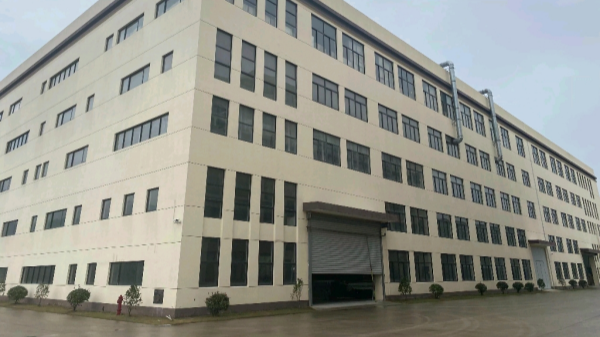
📍 Visit Our Factory: Ningjin Thriveon Valve Co., Ltd. | South of Huanmadian Village Town, Ningjin County, Xingtai, Hebei, China
"We switched to Thriveon's lug valves for our dead-end isolation lines. The quality is comparable to European brands, but at a 40% cost saving. Their engineering team understood our spec perfectly. Highly recommend."

"Ordered 500 wafer butterfly valves for a large HVAC project. The delivery was on time, and the valves passed our strict pressure tests with zero defects. The OEM pricing was unbeatable. We will definitely use them again."

"As a distributor, I need reliable suppliers. Thriveon is one of the best in China. They are responsive, honest about lead times, and their product quality is consistent. My customers are happy."


Senior Valve Applications Engineer & Supply Chain Consultant | 15+ Years in Industrial Valve Sourcing
David has spent over a decade working closely with global procurement teams to design cost-effective, high-integrity valve solutions for the oil & gas, chemical, and HVAC industries. He is a trusted voice in the industrial valve community and a key technical advisor for Ningjin Thriveon Valve Co., Ltd., specializing in helping US buyers navigate the complexities of international valve sourcing.
Related Products
 Call us on:
+86-311-86935302
+86-311-86935302
Call us on:
+86-311-86935302
+86-311-86935302
 Email Us:
info@thriveonvalve.com
Email Us:
info@thriveonvalve.com South of Huanmadian Village Town, Ningjin County, Xingtai, Hebei Province, China