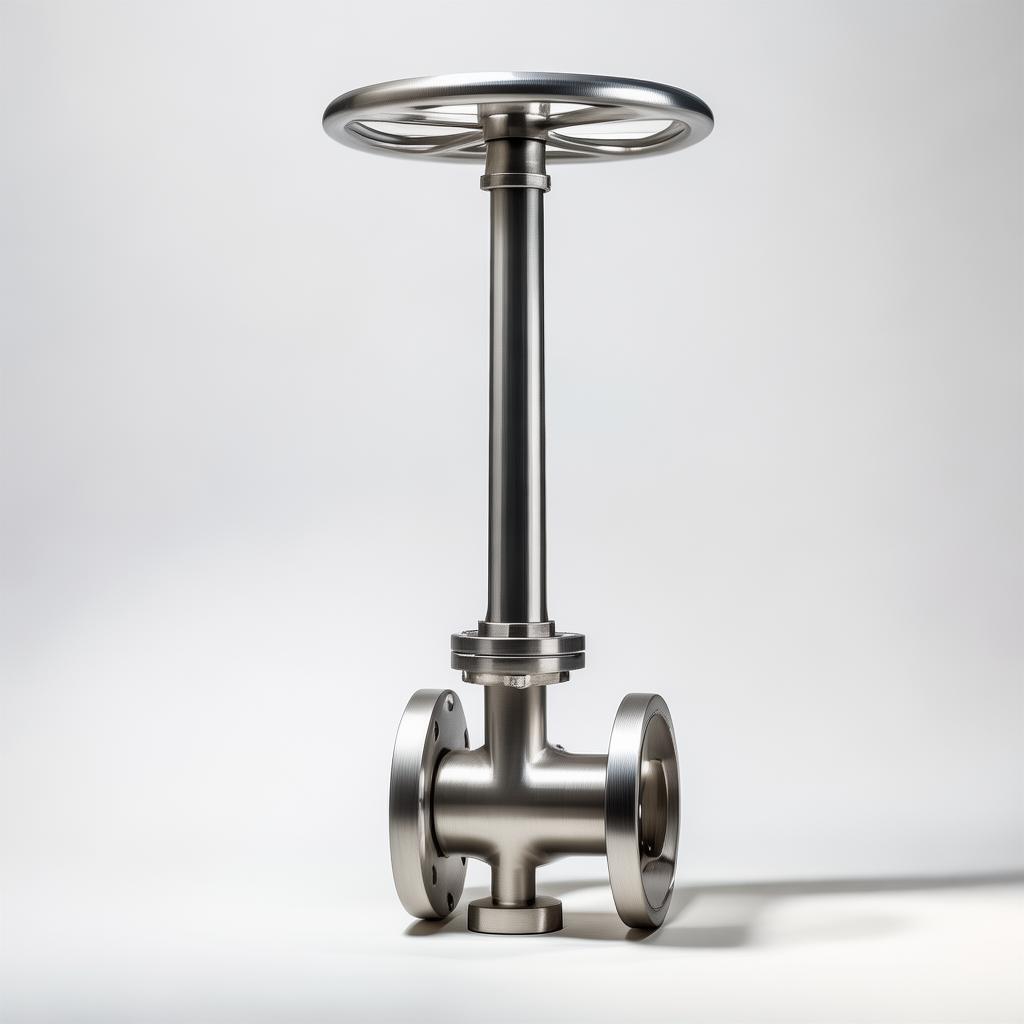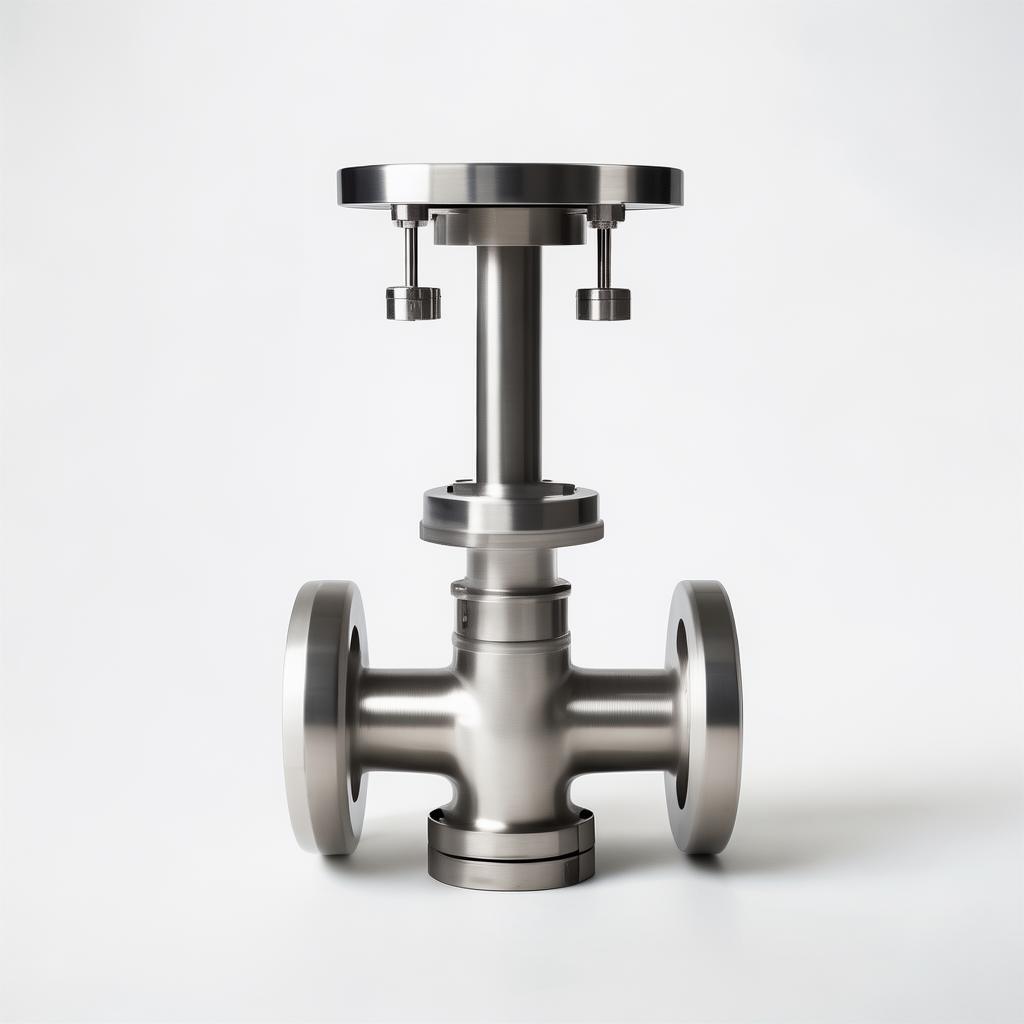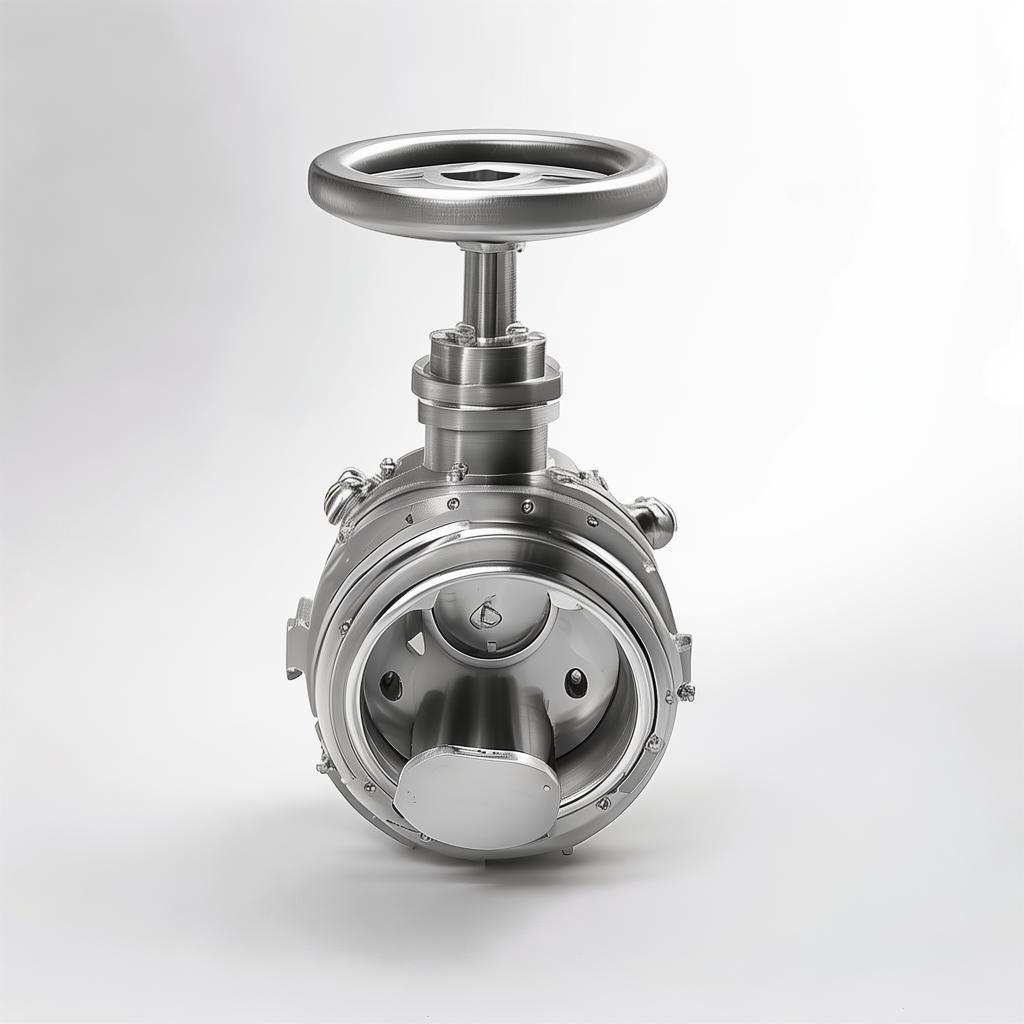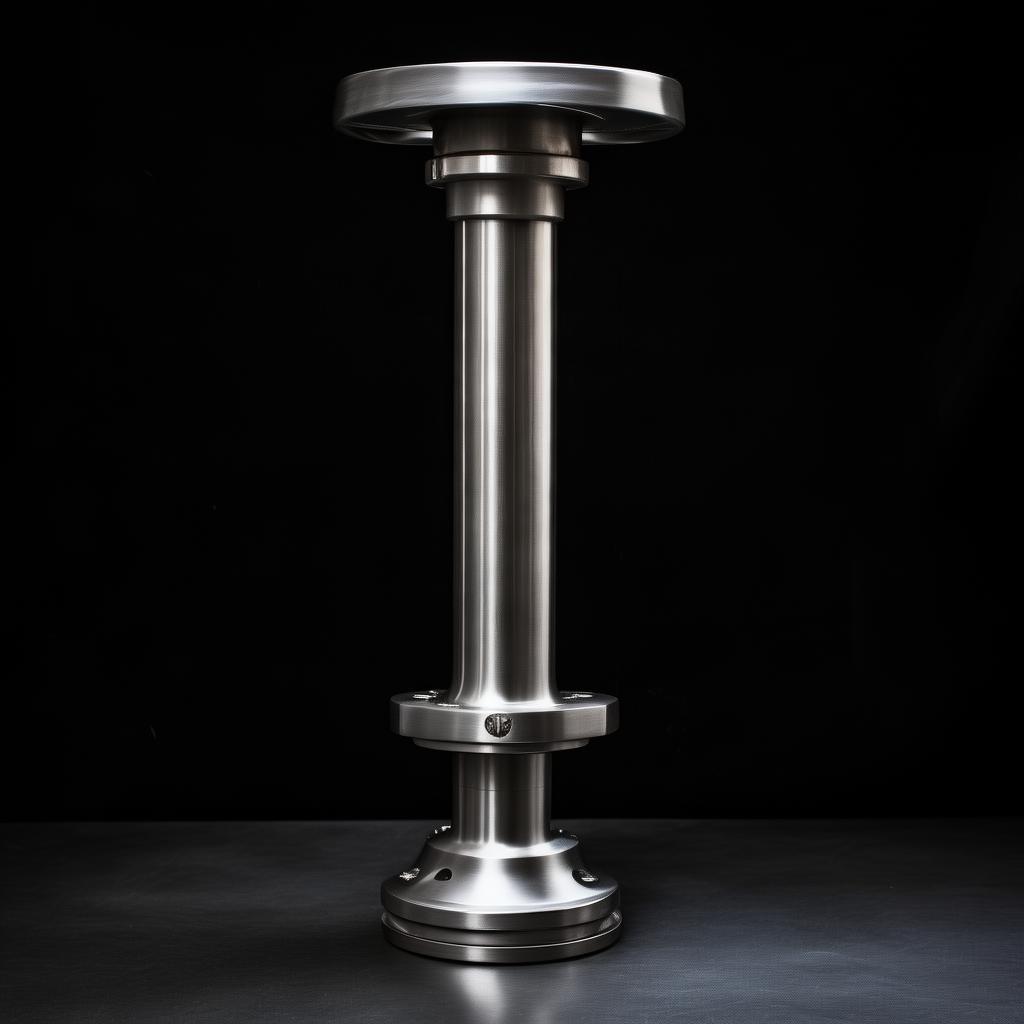
A step-by-step technical guide for procurement managers and engineers who need foot valves built to ASTM/ANSI standards — with zero prime loss, corrosion-resistant materials, and 100% hydrostatic testing before shipment.
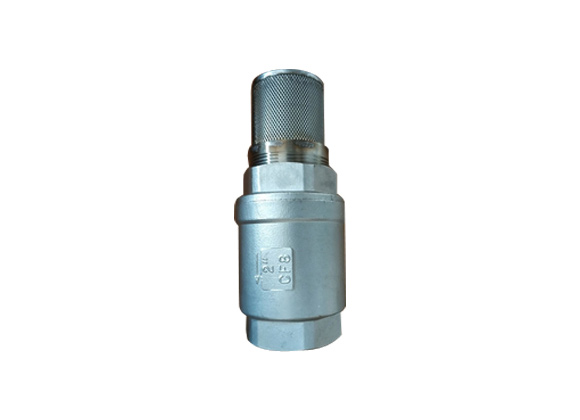
A foot valve — also called a suction strainer valve or pump foot valve — is a specialized check valve installed at the bottom of a pump suction line. Its primary job is to hold pump prime by preventing water from flowing back out of the suction pipe when the pump stops. Without a properly made foot valve, pumps lose prime, leading to repeated startup failures, cavitation damage, and costly downtime.
When the pump starts, suction lifts the valve disc, allowing water to enter. When the pump stops, the disc and spring close the seat instantly, trapping water in the suction pipe.
A fraction of a millimeter gap in the valve seat, or a spring with inconsistent tension, can cause leakage past the disc — leading to prime loss. Precision in how to make a foot valve directly determines pump reliability.
Foot valves are governed by ASTM, ANSI, and API standards. At Thriveon Valve, we manufacture to meet or exceed these norms for USA, European, and Middle Eastern markets.
Procurement managers and engineers repeatedly face these four costly issues when foot valves are not manufactured to specification:
A foot valve that leaks even 2% of its seal capacity will let the water column drop overnight. Operators spend 15-30 minutes re-priming every startup. For a 24/7 operation, that's over 180 hours of lost productivity per year.
Low-grade materials like inferior brass or uncoated cast iron fail within 6-12 months in water with pH below 6.5 or above 8.5. Replacement costs — including labor — often exceed 3× the valve price.
A poorly designed or manufactured foot valve creates excessive head loss. Data shows some cheap imports cause pressure drops of 0.5–1.2 bar, forcing pumps to work harder and increasing energy costs by 7–12%.
When you factor in replacement parts, labor, water waste, and lost production, a $45 cheap foot valve can cost your facility $1,200+ per year. A properly made foot valve at $80–150 eliminates these hidden costs.
At Ningjin Thriveon Valve Co., Ltd., we follow a rigorous, documented process to manufacture foot valves that meet ASTM/ANSI standards and deliver reliable service for 10+ years in demanding environments. Here is exactly how to make a foot valve at an ISO 9001:2015 certified facility.
We source ASTM B62 naval brass, ASTM A351 CF8M stainless steel, and ASTM A536 ductile iron from certified mills. Each incoming batch undergoes spectrometric analysis to verify chemical composition. Marine-grade materials include aluminum bronze for seawater applications.
We use precision investment casting for stainless steel and brass foot valves, and sand casting for ductile iron models. For high-pressure applications (>300 PSI), we employ hot forging to eliminate porosity. Every casting is radiographed (X-ray) or ultrasonically tested to detect internal defects.
The valve seat, disc, and guide ribs are CNC-machined to ±0.05 mm tolerances. The seat surface is polished to Ra 0.8 μm to ensure a bubble-tight seal with the Buna-N or EPDM disc seal. Helical springs are wound from 316 stainless steel wire and tested for consistent load-deflection. This step is the most critical in how to make a foot valve — poor machining here guarantees leakage.
Our technicians hand-assemble each foot valve in a clean environment. The disc seal is bonded to the disc using heat-cured adhesive for peel resistance up to 120°C. Spring preload is calibrated to open at just 0.02 bar differential pressure — allowing pumps to start easily while ensuring positive closure.
The strainer basket — available in perforated stainless steel or epoxy-coated steel mesh — is welded or threaded onto the valve inlet. Screen openings are 1/8" to 3/16" (3–5 mm) to stop debris without restricting flow. All threads receive PTFE tape or anaerobic sealant to prevent leakage at the pipe joint.
Every finished foot valve undergoes a hydrostatic shell test at 1.5× rated pressure and a seat leakage test at 1.1× rated pressure — with zero visible leakage allowed. A bubble test under 0.1 bar air pressure confirms seal integrity. Each valve is tagged with a serial number and test record. Only valves that pass all tests are packed for export.
Thriveon Advantage: Our foot valves carry a 5-year warranty against manufacturing defects. We have exported over 120,000 units to the USA, Saudi Arabia, South Africa, and Italy since 2010.
Compare our standard foot valve models. Custom sizes (up to DN600 / 24") and pressure ratings (up to Class 1500 / PN250) available on request.
| Parameter | Brass Foot Valve | Stainless Steel (SS316) | Ductile Iron / Cast Iron |
|---|---|---|---|
| Material Standard | ASTM B62 (Naval Brass) | ASTM A351 CF8M | ASTM A536 / ASTM A126 |
| Size Range | ½" – 4" (DN15 – DN100) | ½" – 12" (DN15 – DN300) | 2" – 24" (DN50 – DN600) |
| Pressure Rating | 150 PSI / PN10 | 300 PSI / PN16 – PN40 | 150 – 300 PSI / PN10 – PN25 |
| End Connection | Threaded (NPT / BSP) | Threaded / Flanged / BW | Flanged (ANSI 125/150 / DIN PN10/16) |
| Seal Material | Buna-N (NBR) | EPDM / Viton / PTFE | Buna-N / EPDM |
| Spring Material | SS304 or SS316 | SS316 / Hastelloy C276 | SS304 / SS316 |
| Max Temperature | 120°C (250°F) | 200°C (390°F) with PTFE | 100°C (212°F) |
| Certifications | CE, RoHS, ISO 9001 | CE, FDA (for potable water), ISO 9001 | CE, RoHS, ISO 9001 |
how to install a foot valve installing a foot valve how a foot valve works
*Custom materials (duplex SS, super duplex, Monel, titanium) and pressure ratings available for OEM/ODM orders. Contact our engineering team for details.
A California-based farm replaced brass foot valves every 8 months due to sand erosion. We supplied SS316 foot valves with hardened seat faces. Result: valve life extended to 4+ years and pump energy consumption reduced by 9%.
A contractor in Saudi Arabia was losing 2 hours per day re-priming pumps on a high-rise foundation. We provided ductile iron foot valves with dual-spring discs that sealed instantly. Downtime: eliminated. Estimated savings: $18,000/year.
A water treatment plant in Italy needed foot valves for potable water service. We supplied FDA-compliant SS316 valves with EPDM seals, certified to EN 1074. Zero contamination issues since installation. 7 years of maintenance-free operation.
A Texas oilfield service company required foot valves for crude oil suction lines at 250 PSI. We manufactured Class 600 forged carbon steel foot valves with Viton seals. All units passed NACE MR0175 compliance. Zero field failures in 3+ years.

"We tested 4 different suppliers' foot valves before Thriveon. Their SS316 foot valves were the only ones that passed our 24-hour seal hold test with zero leakage. Installation was seamless. We now order all pump accessories from them. 17% lower TCO compared to our previous EU supplier."

"Thriveon's ductile iron foot valves solved our chronic pump priming issue. Their team worked with us to customize the spring tension for our 150-meter head application. Zero re-priming in 18 months. Shipping from China to Dammam took only 12 days. Highly reliable partner."

"For potable water applications, material certification is non-negotiable. Thriveon provided full mill test reports and FDA compliance docs with every shipment. Their foot valves have been in service for 3.5 years with zero complaints. Excellent quality and 30% better pricing than European alternatives."

"We were skeptical about switching from a local supplier to a Chinese manufacturer. Thriveon sent free samples for testing. After 6 months of field trials, their brass foot valves outperformed the incumbent. Now we buy 300+ units per year. Their technical support team is always responsive."

"Our project required NACE-compliant foot valves for sour gas service — a niche product. Thriveon engineered custom Class 600 forged carbon steel valves with Inconel springs and PTFE seals. All 47 units passed third-party inspection. Delivery was 2 weeks ahead of schedule. This is the kind of partner you want for critical applications."
For seawater, aluminum bronze (ASTM B148 UNS C95800) or super duplex stainless steel (UNS S32750) are ideal due to their excellent corrosion resistance in chloride environments. At Thriveon, we also offer nickel-aluminum bronze with a protective oxide layer for long-term service in marine conditions.
Standard sizes (½"–6") are often in stock and ship within 7–10 days. Custom orders (special materials, pressure ratings, or OEM branding) typically require 25–40 days depending on complexity. We offer expedited manufacturing for urgent projects — contact our sales team for current lead times.
Seal integrity comes from three factors: (1) Precision machining of the seat to Ra 0.8 μm surface finish, (2) a resilient seal material (Buna-N, EPDM, or PTFE) bonded to the disc, and (3) a calibrated spring that provides consistent closing force. Every valve is bubble-tested at 0.1 bar — zero leakage is the only pass criterion.
Yes. We offer comprehensive OEM/ODM services including custom casting with your brand markings, specific thread types (NPT, BSP, BSPT), custom packaging, and documentation. Minimum order quantity (MOQ) for OEM starts at 500 units per size. Contact us with your specifications for a quotation.
A foot valve is a specific type of check valve with an integrated strainer screen at the inlet. It is designed to be installed at the bottom of a pump suction line, submerged in the fluid source. A standard check valve prevents backflow but does not include a strainer and is typically installed in a pipeline. The foot valve's strainer protects the pump from debris while holding prime.
The foot valve should match the suction pipe diameter, not the pump discharge size. A general rule: the foot valve should be at least one size larger than the pump suction port to minimize friction loss. For pumps with suction lift above 20 feet (6 meters), we recommend a flanged foot valve to reduce turbulence. Our technical team can help you size the valve for your duty conditions — send us your pump specs.
Yes. We provide free samples to qualified buyers (you pay shipping). For standard sizes (½"–4"), we ship samples within 3–5 business days. We are confident that once you test our foot valves against your current supplier, you will see the difference in quality. Request your free sample today.
We ship via sea freight (FCL or LCL) for bulk orders and air freight or express (DHL/FedEx/UPS) for samples and small orders. Typical sea freight from Tianjin port to Los Angeles takes 18–25 days. We handle all export documentation, including bill of lading, packing list, commercial invoice, certificate of origin, and any required test certificates.
Stop wasting time and money on foot valves that fail. Partner with Thriveon Valve — where precision manufacturing, rigorous quality control, and responsive support are standard. Free samples available for qualified buyers.
Or email us at info@thriveonvalve.com — We typically respond within 2 hours during business hours (GMT+8).

Robert has spent over a decade designing and manufacturing foot valves, check valves, and pipeline valves for international markets. He has overseen the production of more than 50,000 valves exported to the USA, Middle East, and Europe. His technical guides are used by procurement teams to evaluate supplier quality and manufacturing capability.
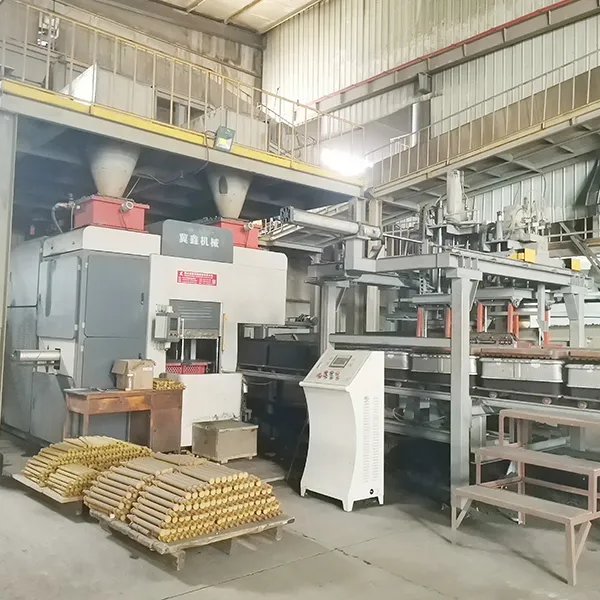
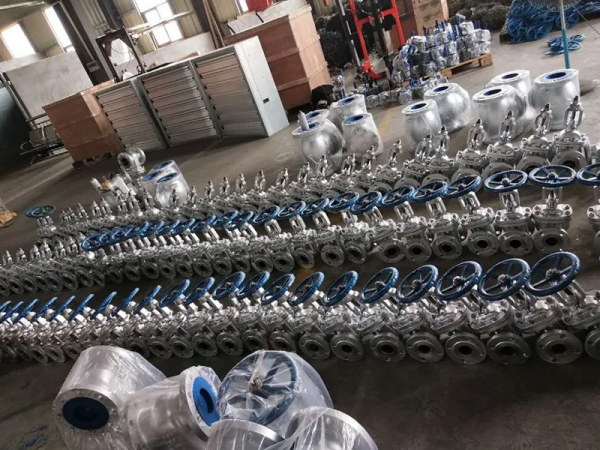
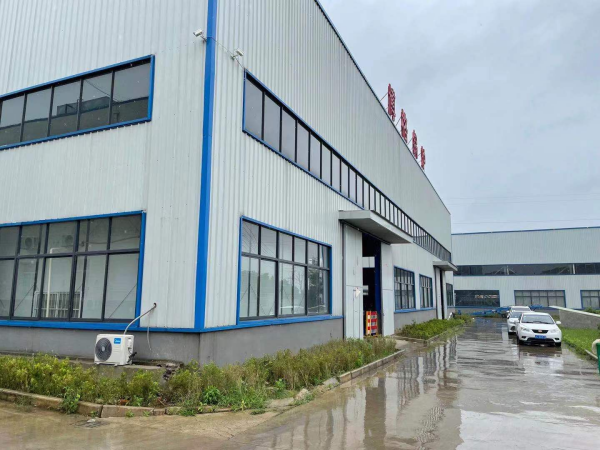
ISO 9001:2015 certified facility in Ningjin County, Xingtai, Hebei, China — 10,000+ sqm production area.
Related Products
 Call us on:
+86-311-86935302
+86-311-86935302
Call us on:
+86-311-86935302
+86-311-86935302
 Email Us:
info@thriveonvalve.com
Email Us:
info@thriveonvalve.com South of Huanmadian Village Town, Ningjin County, Xingtai, Hebei Province, China