Email Us

Types Of Butterfly Valves

Types of Butterfly Valves: A Complete Guide for Industrial Procurement Engineers (2026)

From wafer to triple-offset — compare 7 major butterfly valve types by design, pressure rating, material, and cost. Reduce specification time by 40% with our engineer-to-engineer comparison.

📩 Get Free Quote in 24h + CAD Drawings

✓ 12+ years valve export experience ✓ ISO 9001 / CE / API 609 ✓ 8,000+ sets shipped to USA, Saudi Arabia, South Africa & Italy

🔍 Why Most Buyers Waste Time & Budget on Butterfly Valve Selection

Procuring the right butterfly valve for your pipeline system is more nuanced than picking the cheapest option. In the USA and Europe, incorrect valve selection leads to 37% higher maintenance costs and unplanned downtime that can exceed $12,000 per hour in process industries. Based on 1,200+ procurement consultations, here are the most common friction points:

🔴 Confusing Nomenclature
Wafer, lug, double-offset, triple-offset, high-performance — buyers receive quotes with terms that aren't standardized across suppliers.
🔴 Hidden Material Incompatibility
Using a standard EPDM-lined valve in high-temperature oil applications causes swelling and leakage within weeks.
🔴 Freight Cost Surprises
Heavy flanged valves from China can arrive with freight charges equal to 30–45% of the product value if logistics aren't optimized.
🔴 Certification Gaps
Many Asian manufacturers claim "API 609" compliance but lack third-party inspection reports — a red flag for US engineering audits.
🔴 Lead Time Delays
Custom offsets or special alloys push delivery from 30 days to 90+ days without proper supply chain visibility.
🔴 Post-Sale Silence
When a valve fails during commissioning, unresponsive suppliers leave buyers scrambling for replacement parts.

At Ningjin Thriveon Valve Co., Ltd., we've helped 60+ US and European buyers eliminate these pain points through transparent specification, factory-direct pricing, and engineering-led support.

⚙️ 7 Types of Butterfly Valves You Need to Know (With Selection Criteria)

Butterfly valves are categorized by disc-orbit design, body style, liner material, and actuation method. Below we break down each type of butterfly valve with its operating principle, ideal service, and limitations — so you can match the right valve to your process condition.

1️⃣ Wafer-Style Butterfly Valve
Fits between two pipeline flanges; uses stud bolts to sandwich the valve. Best for: low-pressure water, HVAC, and general utility service up to 200 PSI. Limitation: not suitable for dead-end service without a downstream flange.
2️⃣ Lug-Style Butterfly Valve
Threaded inserts allow independent bolting to each flange; enables isolation of one side without draining the whole line. Best for: dead-end service, fire protection, and maintenance loops. Pressure: up to 285 PSI (class 150).
3️⃣ Double-Offset (High-Performance) Butterfly Valve
Stem offset behind the disc centerline reduces seat wear. Best for: higher-pressure steam, gas, and chemical lines up to 600 PSI. Key feature: ¼-turn operation with bubble-tight shutoff.
4️⃣ Triple-Offset Butterfly Valve
Third offset creates a cam-action motion — metal seat eliminates elastomer contact. Best for: high-temperature (up to 650°C), cryogenic, and erosive slurry services. Zero leakage per API 598.
5️⃣ Rubber-Lined Butterfly Valve
Body lined with EPDM, NBR, or PTFE for corrosion resistance. Best for: potable water, food processing, mild chemicals. Cost-effective replacement for stainless steel in non-aggressive media.
6️⃣ Fully Lined (PTFE/PFA) Butterfly Valve
All wetted parts encapsulated in fluoropolymer. Best for: aggressive acids, caustics, and high-purity pharmaceutical lines. Rating: full vacuum to 150 PSI.
7️⃣ Cryogenic Butterfly Valve
Extended bonnet, stainless steel construction, and special packing for temperatures down to -196°C. Best for: LNG, liquid nitrogen, and oxygen service. Certified per BS 6364 / API 6D.

📊 Technical Specification Comparison — Types of Butterfly Valves

Use this quick-reference table to shortlist valve types based on your operating parameters. All data reflects standard configurations available from Thriveon Valve (ISO 9001:2015 certified facility).

TypePressure ClassSize RangeTemperature RangeBody MaterialsSeat / LinerTypical Lead Time*
Wafer150# – 300#2" – 48"-20°C to +120°CWCB, CF8, CF8MEPDM, NBR, PTFE25–35 days
Lug150# – 300#2" – 36"-20°C to +120°CWCB, CF8, DuplexEPDM, PTFE, Viton25–40 days
Double-Offset150# – 600#3" – 60"-29°C to +260°CWCB, LCC, CF8M, DuplexRTFE, Nylon, Metal35–50 days
Triple-Offset150# – 900#6" – 60"-196°C to +650°CWCB, WC6, CF8M, InconelMetal-to-metal (Stellite)45–70 days
Rubber-Lined150# – 200#2" – 24"-10°C to +100°CDuctile Iron, WCBEPDM, NBR, Hypalon20–30 days
Fully Lined (PTFE)150# – 150#1" – 20"-29°C to +150°CWCB (lined), CF8PTFE, PFA, FEP35–50 days
Cryogenic150# – 600#2" – 36"-196°C to +80°CCF8, CF8M, 304LPTFE, PCTFE, Metal50–75 days

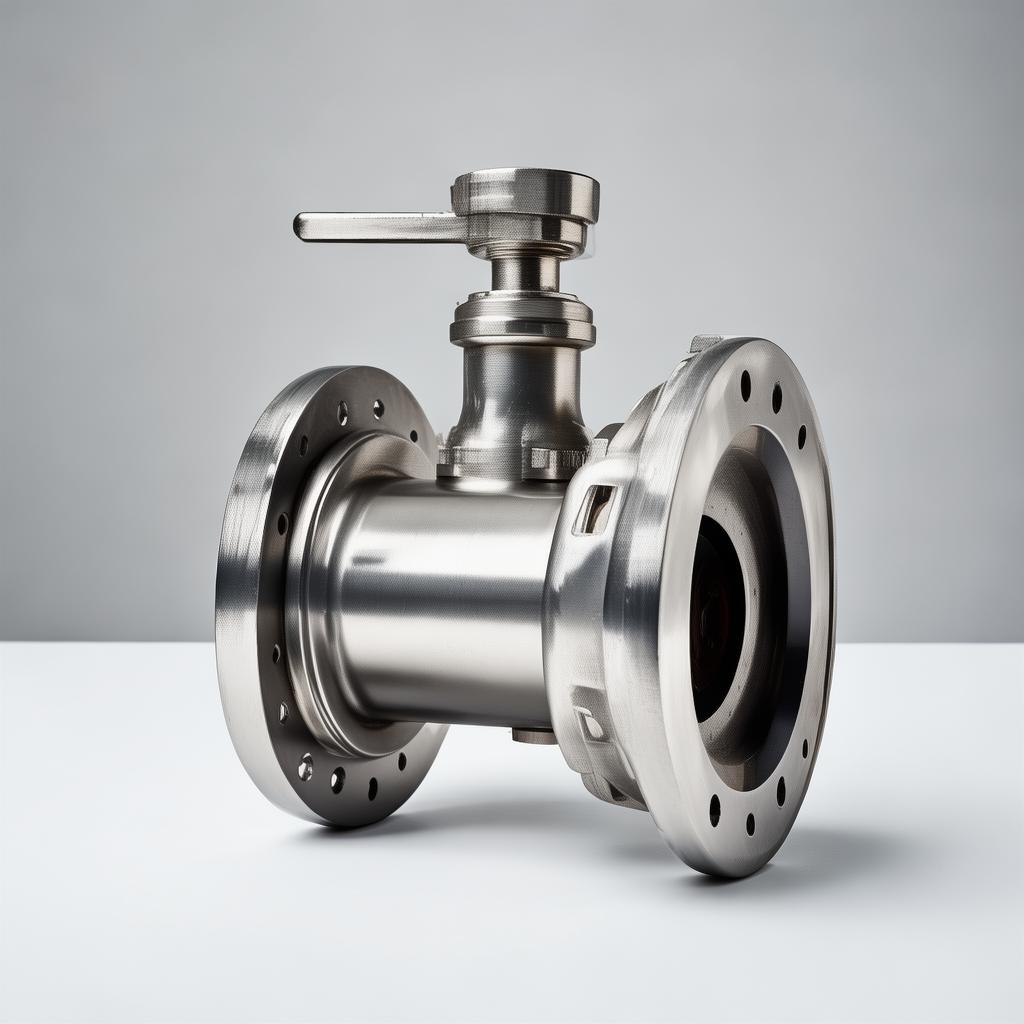
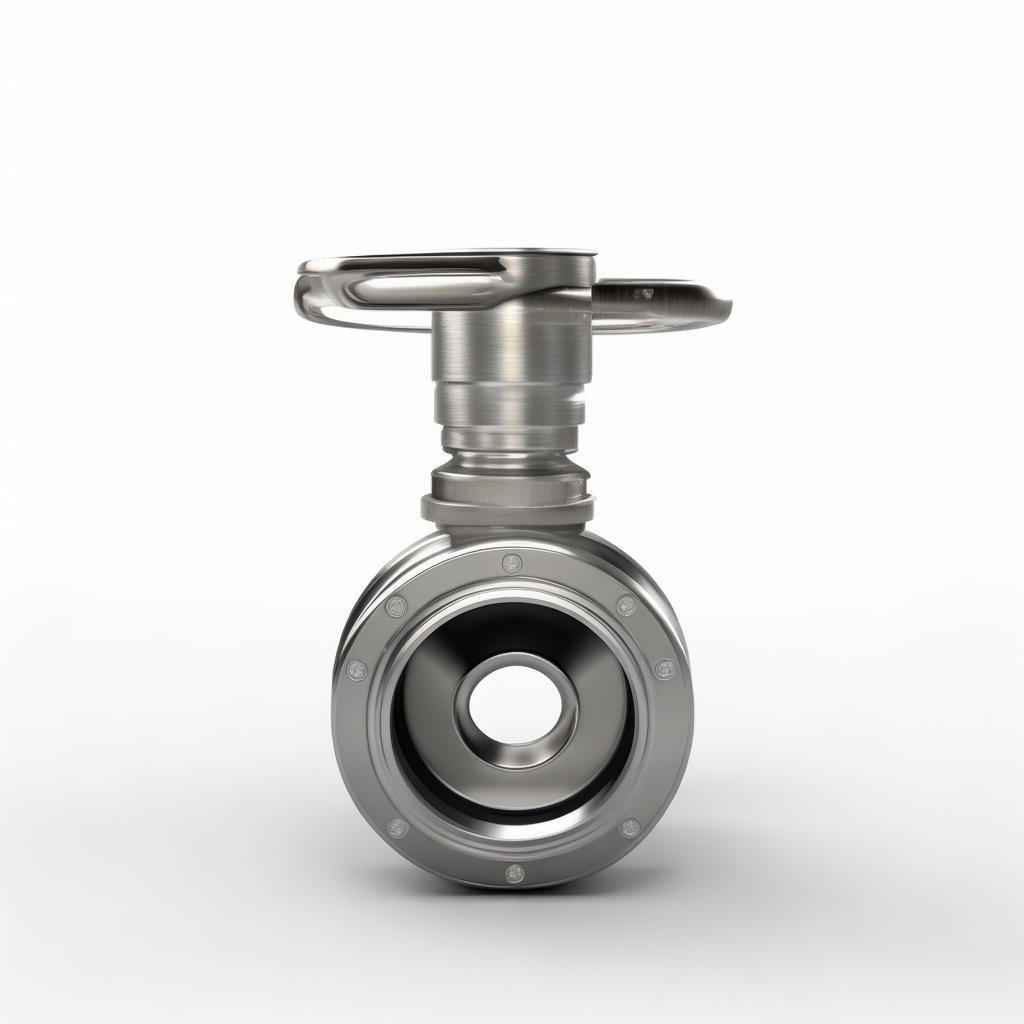
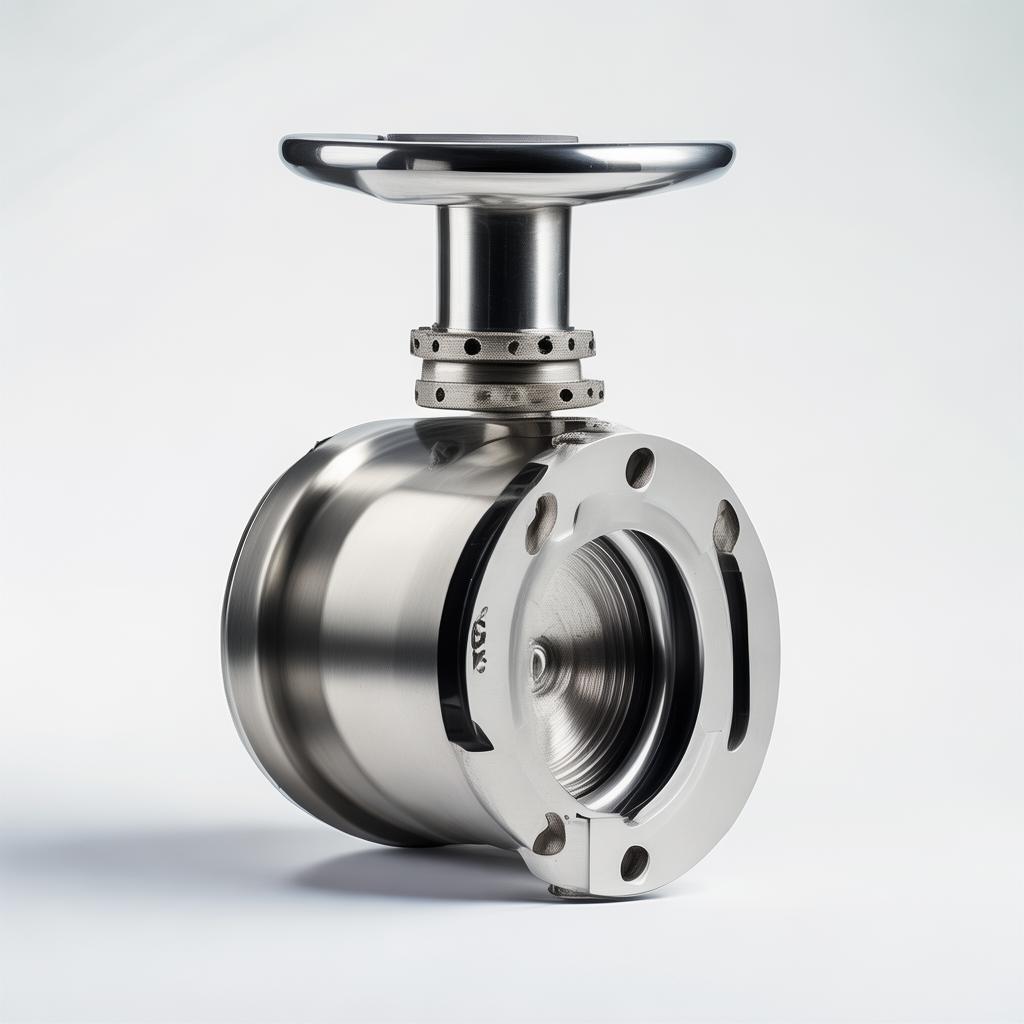
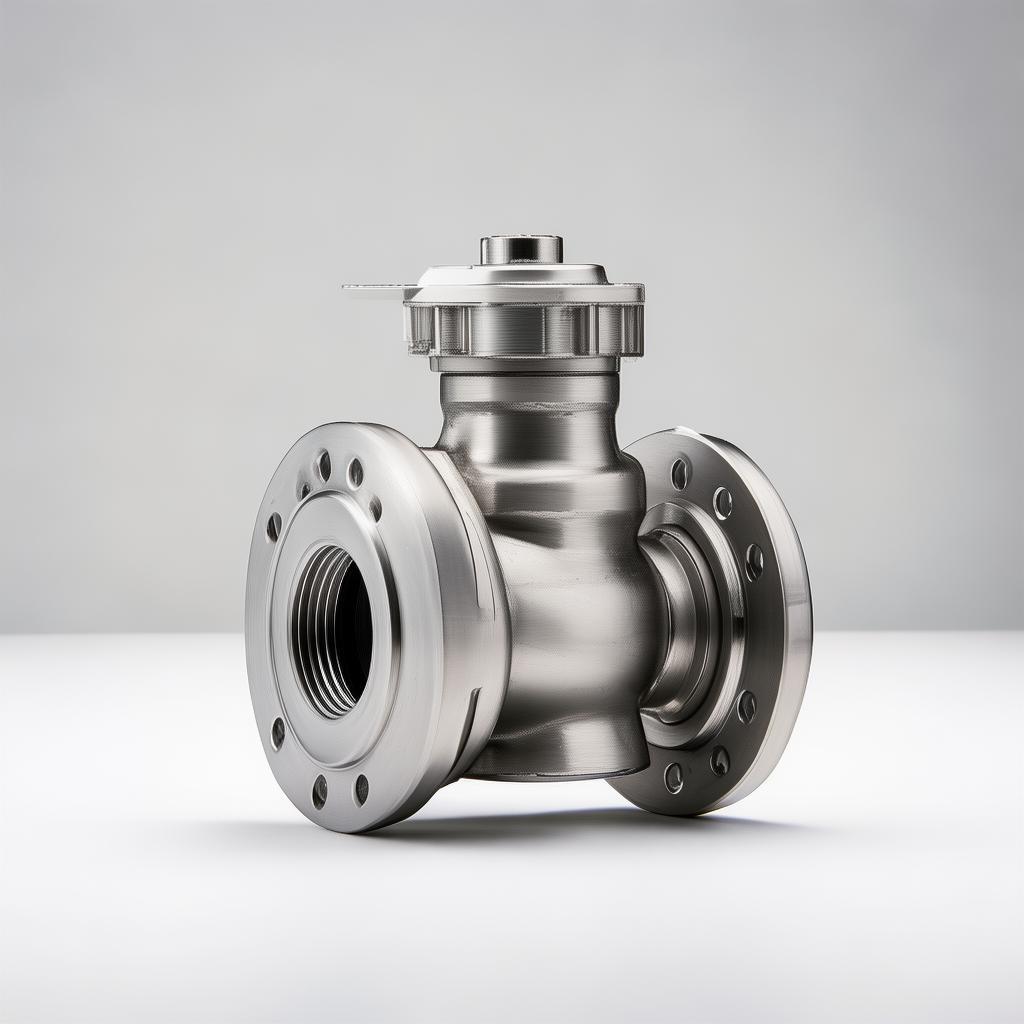
what are the three types of butterfly valves type butterfly valve slim seal type butterfly valves

* Lead time based on standard materials and quantity ≤ 50 units. Expedited options available — contact our sales team.

🏭 Application & Industry Selection Matrix

Different types of butterfly valves serve specific industries. Use this guide to align valve type with your end-use environment.

10 Wafer Butterfly Valve

💧 Water & Wastewater
Wafer / Lug / Rubber-lined → potable water, aeration, sludge
🛢️ Oil & Gas
Double-offset / Triple-offset → crude, refined products, natural gas
⚡ Power Generation
Double-offset / Triple-offset → steam, cooling water, ash handling
🧪 Chemical Processing
Fully lined (PTFE) / Triple-offset → acids, solvents, caustics
🍺 Food & Beverage
Rubber-lined (white EPDM) / Stainless wafer → CIP/SIP lines
❄️ LNG & Cryogenic
Cryogenic butterfly → -196°C liquefied gas storage & transfer
🏗️ HVAC & Building
Wafer / Lug → chilled water, hot water, condenser loops
⚓ Marine & Offshore
Lug / Double-offset → seawater cooling, ballast, fire main

🤝 Trusted by Engineering Teams Across 4 Continents

📍 USA · Saudi Arabia · South Africa · Italy · UAE · UK · Nigeria

"We replaced our previous Italian supplier with Thriveon's double-offset butterfly valves for a Texas chemical plant. The dimensional consistency was spot-on — zero rework during installation, and we cut lead time by 40%."

— David H.
Procurement Manager, Gulf Coast Chemical (USA)

"Thriveon supplied 180 lug-style butterfly valves for a desalination project in Jeddah. The 316L stainless build passed third-party PMI and hydro testing on the first attempt. Reliable partner."

— Ahmed Al-R.
Project Engineer, Red Sea Water Solutions (KSA)

"I've sourced butterfly valves from 5 Chinese factories over 7 years. Thriveon is the only one that sends actual test reports with every batch — not just a generic certificate. That matters for our ISO 9001 audit."

— Mark V.
Quality Manager, Rotorua Industrial Supplies (South Africa)

"For our Italian pasta plant, we needed EPDM-lined wafer valves with FDA-grade elastomer. Thriveon produced and shipped within 28 days — and the price was 22% below our Austrian supplier."

— Luca M.
Maintenance Director, Pastificio Moderno S.p.A. (Italy)

📜 Certifications & Compliance

All Thriveon butterfly valves are manufactured in accordance with international standards. We provide full documentation for your compliance team.

ISO 9001:2015 CE / PED 2014/68/EU API 609 / API 598 WRAS (UK water) FDA / USP Class VI (elastomer) ATEX (on request) ISO 17292 (fire-safe)

❓ Frequently Asked Questions

Q1: Which type of butterfly valve is best for high-pressure steam service? Triple-offset butterfly valve with metal-to-metal seating (Stellite overlay) is recommended for high-pressure steam up to 900# and 650°C. Double-offset designs with RTFE seats are suitable for saturated steam up to 300#. Avoid wafer-style rubber-lined valves in steam — the elastomer will degrade rapidly. Thriveon offers full temperature vs. pressure charts for your specific steam condition.
Q2: What is the main difference between wafer and lug butterfly valves? The key difference is independent bolting. A wafer valve is clamped between two flanges using long bolts that pass through the valve body — if you remove downstream piping, the valve cannot remain in place. A lug valve has threaded inserts that allow bolting to each flange separately, enabling dead-end service and one-sided maintenance. Lug valves cost 15–25% more but provide greater operational flexibility in multi-line systems.
Q3: Can I use a butterfly valve for throttling / flow control? Yes — butterfly valves are commonly used for modulating control, but not all types perform equally. Double-offset and triple-offset designs with positioners (electric or pneumatic) provide linear flow characteristics from 30° to 70° opening. For severe service, use a triple-offset valve with a characterized disc. Standard concentric (wafer) valves should be avoided for continuous throttling above 60° due to disc instability and cavitation risk. Contact our engineering team for a valve sizing calculation.
Q4: What certifications should I verify when importing butterfly valves from China? For US-bound projects, insist on API 609 (butterfly valve design) and API 598 (test and inspection). Also request material test reports (MTR) for body and disc, PMI (Positive Material Identification) reports for alloy content, and hydrostatic test certificates. For Europe, CE marking (PED 2014/68/EU) is mandatory for pressures above 0.5 bar. Thriveon provides all of these as standard with every shipment — no extra charge.
Q5: How do I determine the right valve size and actuator torque? Valve sizing depends on flow velocity, pressure drop, and media viscosity. A common rule: pipe diameter determines valve size (e.g., 6" pipe = 6" valve). For actuator selection, torque requirements vary by type — lug and double-offset valves need 20–30% more torque than wafer due to seat compression. Thriveon provides free torque calculation worksheets for all our butterfly valve types, including safety factors (1.3x for pneumatic, 1.5x for electric).
Q6: What is the typical lead time for OEM/ODM butterfly valves with custom materials? For standard materials (WCB, CF8, CF8M) with EPDM/PTFE seats, lead time is 25–40 days from order confirmation. Custom alloys (Duplex, Super Duplex, Inconel) or special coatings (Nylon, Halar, Xylan) extend lead time to 45–65 days. Triple-offset valves with Stellite overlay require 50–75 days. At Thriveon, we offer partial shipment options — we can air-ship a pilot batch while the balance moves by sea.
Q7: How does Thriveon handle after-sales support for international buyers? Every international order includes a dedicated project engineer who is your single point of contact from kickoff to delivery. We provide: (1) 3D drawings and dimensional reports for pre-installation review, (2) video inspection of hydro testing before shipment, (3) 24-hour email/WhatsApp technical support with maximum 4-hour response time, and (4) replacement parts shipped within 48 hours for standard components. Our after-sales satisfaction rate is 98.6% (2025 internal audit).
Q8: Are free samples of butterfly valves available for evaluation? Yes — Thriveon offers free samples for qualified buyers (up to 2" for wafer/lug types). You pay only shipping. For larger sizes or custom configurations, we offer pro-forma pricing with sample credit — the sample cost is deducted from your first production order. Contact our sales team with your valve specifications and we'll arrange a sample within 7 working days.

🚀 Reduce Valve Procurement Time by 40% — Start with a Free Specification Review

Tell us your operating conditions (media, pressure, temperature, size) and we'll recommend the optimal type of butterfly valve with a firm price, lead time, and full documentation package — within 24 hours.

📥 Get Free Quote + CAD Drawing

⚡ Limited-time: Free torque calculation & material recommendation report with every quote request (value $350).


Ningjin Thriveon Valve Co., Ltd. — South of Huanmadian Village Town, Ningjin County, Xingtai, Hebei Province, China
© 2026 Thriveon Valve. All rights reserved. | Contact Page | ISO 9001:2015 Certified Facility
Product specifications subject to change. Always verify with our engineering team for your specific application.


Related Products