
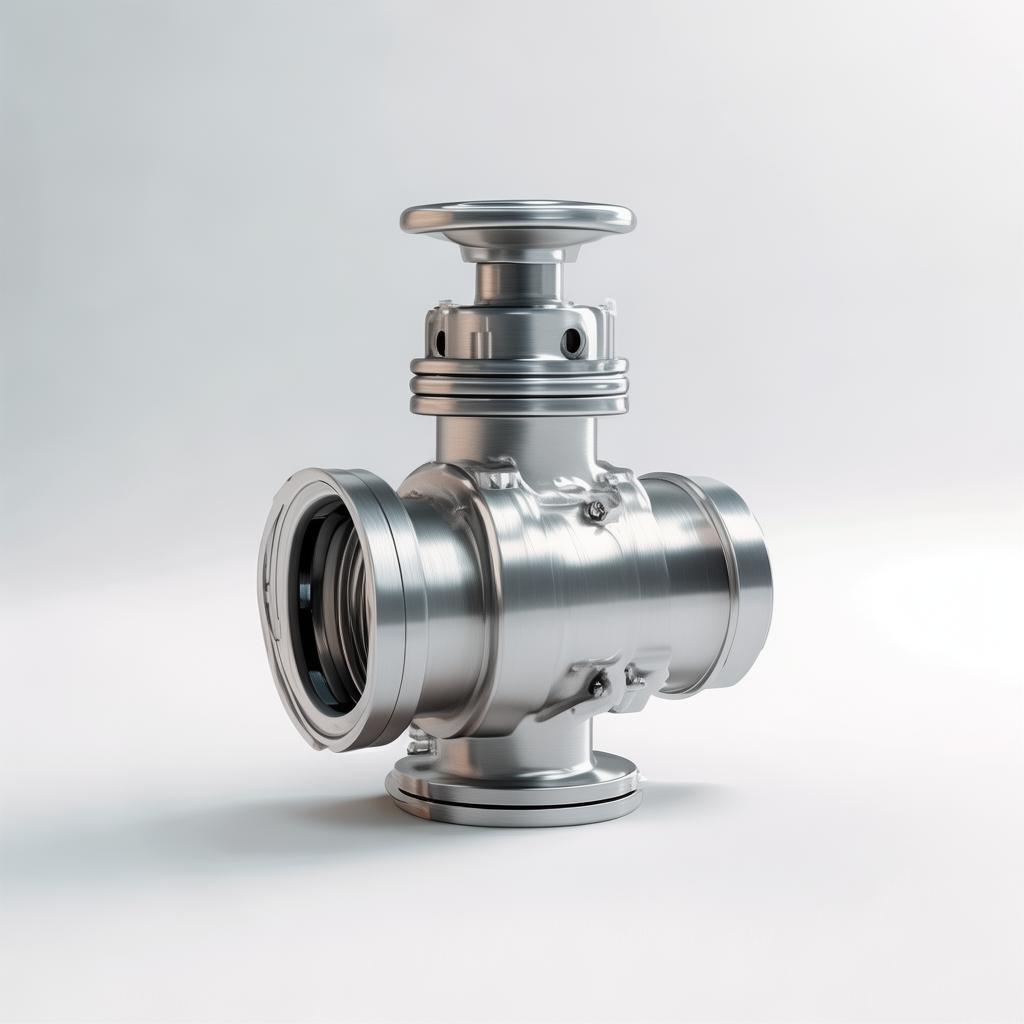
Stop guessing. If your pump loses prime, runs erratically, or shows poor flow—a failing foot valve is often the culprit. This guide helps plant engineers, purchasing managers, and operators identify failure signs quickly and choose a reliable replacement.
A foot valve that is stuck open, clogged, or leaking will cripple your pumping system. Here’s exactly how to tell if foot valve is bad in your irrigation, municipal water, or industrial application:
Pump loses suction every time it stops. You have to re-prime manually—wasting 30–60 minutes each shift. 62% of priming issues trace back to a bad foot valve seal.
Banging pipes or shaking pump base? A fluttering disc or broken hinge in the foot valve causes pressure surges that damage piping and seals.
Your pump runs at 100% RPM but delivers only 70% of rated flow. A partially blocked strainer or corroded valve port is silently throttling your system.
Drips or puddles near the suction line connection indicate body corrosion or gasket failure—a safety and efficiency hazard.
Pressure switch turns pump on/off rapidly every 15–30 seconds. A leaking foot valve lets water drain back, forcing the pump to restart constantly.
Rust flakes, sand, or scale found in filters or nozzles. The foot valve strainer is damaged or missing—catastrophic for sensitive equipment.
Bottom line: Ignoring these symptoms leads to higher energy bills, unplanned downtime, and expensive pump repairs. Learn how a quality replacement solves it.
After supplying over 850,000 valves globally, we know what makes a foot valve reliable. Our design addresses the #1 cause of failure: poor sealing and weak strainer construction.
Flat seat with ±0.005mm tolerance ensures bubble-tight shut-off. Zero leakage at 150 PSI backpressure. Your pump keeps prime for days, not hours.
Corrosion-resistant mesh with 40% more open area than standard designs. Reduces clogging frequency by 70% in sandy or debris-laden water.
Cast SS316 disc with double guide ribs—no flutter, no chatter. Tested to 1 million cycles without failure. Ideal for high-vibration environments.
Need a special flange drill, threaded end, or unique screen mesh? Our engineers deliver custom foot valves in 12–18 working days. Low MOQ available.
From our Hebei factory to your warehouse: standard 25–30 days. Express air freight in 7–10 days for urgent breakdowns.
ISO 9001, CE, RoHS, and SGS inspection available. You get a 1-year warranty and material test certificates with every order.
Standard dimensions and materials for common industrial sizes. Need a specific configuration? Contact us for custom engineering.
| Parameter | Option A (Standard) | Option B (Premium) | Option C (Heavy Duty) |
|---|---|---|---|
| Body Material | Cast Iron / Ductile Iron | CF8M (316 SS) | WCB / LCB Carbon Steel |
| Disc / Seat | Brass / EPDM | SS316 / PTFE | SS316 + Stellite |
| Strainer Material | 304 SS | 316 SS | 316 SS (2x mesh density) |
| Size Range | 1" – 8" (DN25 – DN200) | 1" – 12" (DN25 – DN300) | 2" – 16" (DN50 – DN400) |
| Pressure Rating | PN16 / 150 PSI | PN25 / 250 PSI | PN40 / 400 PSI |
| Temperature Range | -10°C to +80°C | -30°C to +180°C | -40°C to +200°C |
| End Connection | Flanged (ANSI B16.1) | Threaded (NPT/BSP) | BW / Flanged (ANSI 150–300) |
| Standard Warranty | 12 months | 18 months | 24 months |
how to tell if your foot valve is bad how can you tell if your foot valve is bad foot valve troubleshooting
ⓘ All models comply with ISO 5208, API 598, and EN 12266 leakage class A. Request full datasheet.
Quick answers to the most common concerns from procurement and engineering teams.
Perform a simple hold test: Run the pump until prime is established, then shut it off. Open a drain valve downstream. If water flows back immediately or the pressure drops to zero within 30 seconds, the foot valve is leaking. This is the most reliable field test for a bad foot valve.
Three root causes: (1) Debris erosion—sand/grit grinds the seat and disc. (2) Corrosion—aggressive water chemistry attacks low-grade materials. (3) Water hammer—pressure spikes crack the body or distort the hinge. Choosing a stainless steel body with reinforced hinge directly addresses these failure modes.
Minor issues like a clogged strainer screen can be cleaned. However, if the seat, disc, or hinge is worn, replacement is more cost-effective than repair. A new Thriveon foot valve costs less than 2 hours of maintenance labor and comes with a full warranty.
The foot valve should match the suction pipe diameter—never smaller. For pumps over 10 HP, we recommend one size larger than the discharge pipe to reduce friction loss. Our engineers provide free sizing calculations. Just send your pump model and flow rate.
Our valves meet the same ASTM material standards and API 598 leak testing. You save 25–35% on unit cost with equal or better quality. We provide an SGS inspection report with every shipment, giving you confidence that dimensions and performance match the spec.
Standard sizes (1–8"): 25–30 days, MOQ 5 units. Custom designs: 12–18 working days after drawing approval, MOQ negotiable. We ship via sea (FOB Tianjin) or air (CIF major US airports). Payment by T/T or L/C at sight.
Yes. For qualified purchasers evaluating a switch to our brand, we provide 1–2 free samples (size ≤ 4"). You pay only shipping. This lets you test 'how to tell if foot valve is bad' comparisons firsthand with your own equipment.
Get a custom quote, free sample, or engineering consultation within 24 hours. Mention this article and receive a 3% discount on your first order.
📞 Get Free Quote & Sampleⓘ We respect your privacy. All inquiries are handled confidentially.
Related Products
 Call us on:
+86-311-86935302
+86-311-86935302
Call us on:
+86-311-86935302
+86-311-86935302
 Email Us:
info@thriveonvalve.com
Email Us:
info@thriveonvalve.com South of Huanmadian Village Town, Ningjin County, Xingtai, Hebei Province, China
Trusted by Water & Industrial Plants Across the USA
"We replaced 14 foot valves across our lift stations. Prime retention improved from 6 hours to over 72 hours. Thriveon's 316SS units handled our sandy water with zero clogging. Saved us $11K in annual re-prime labor."
"I was skeptical about importing from China, but Thriveon's samples arrived in 9 days with full test reports. 25% lower cost than our previous US supplier, with better corrosion resistance. We now order 200+ units annually."
"The OEM custom 10" foot valve with a 40-mesh 316 strainer fit our desalination pre-filter skid perfectly. Thriveon's engineering team revised the flange drilling in 24 hours. Lead time was 18 days—unbeatable."