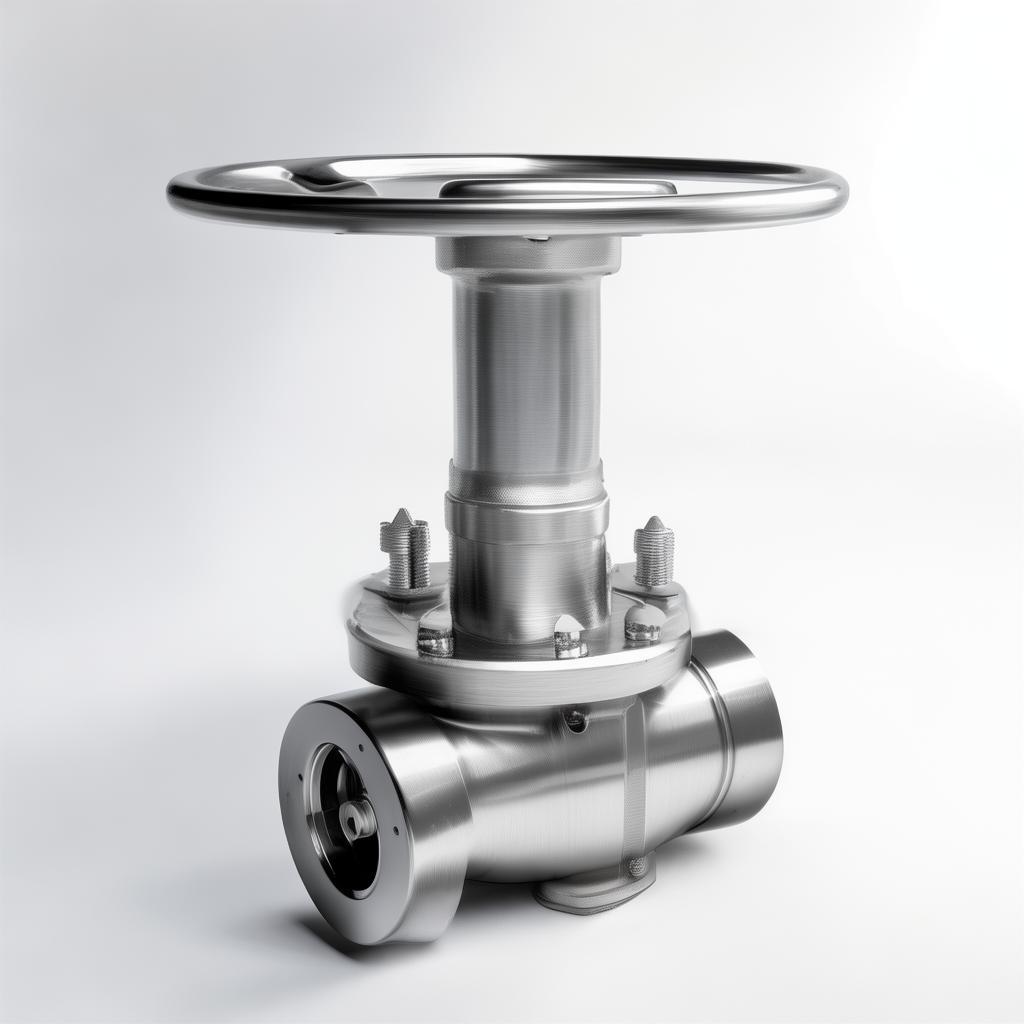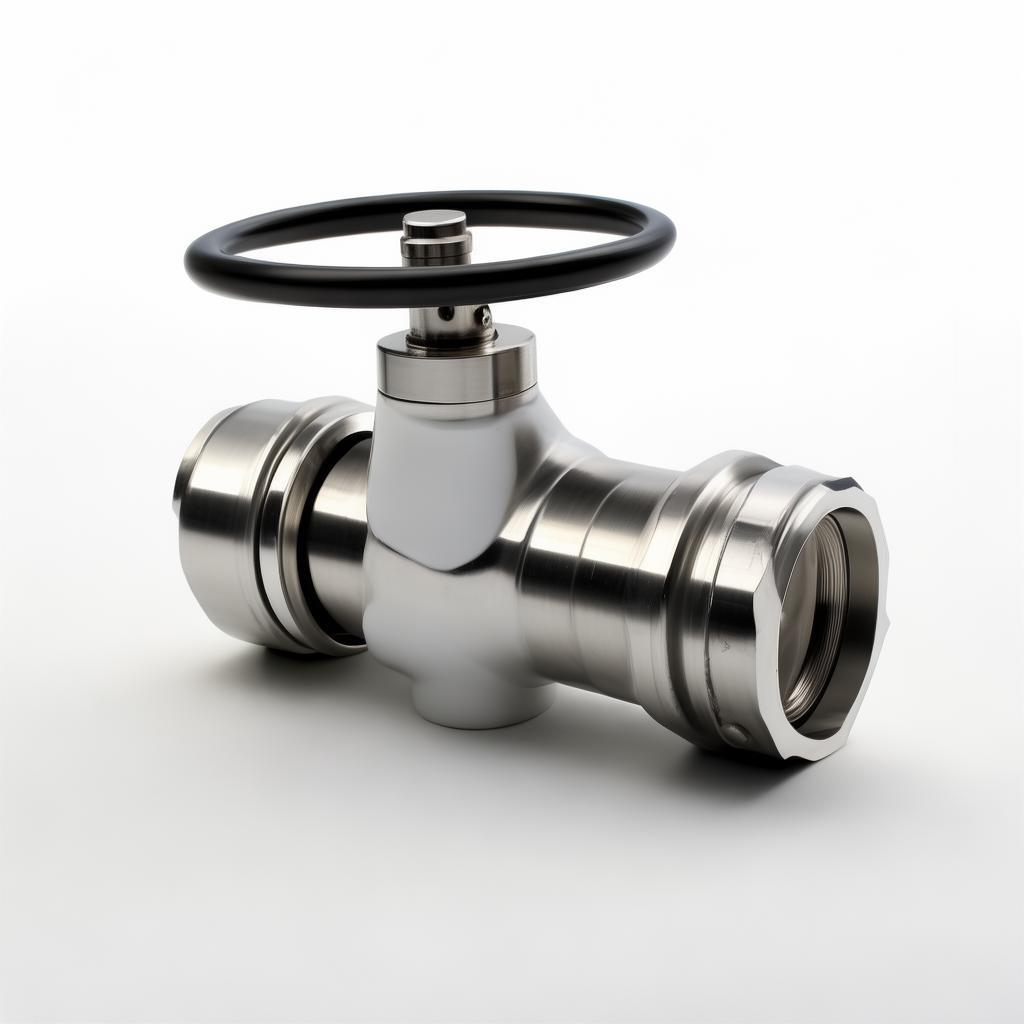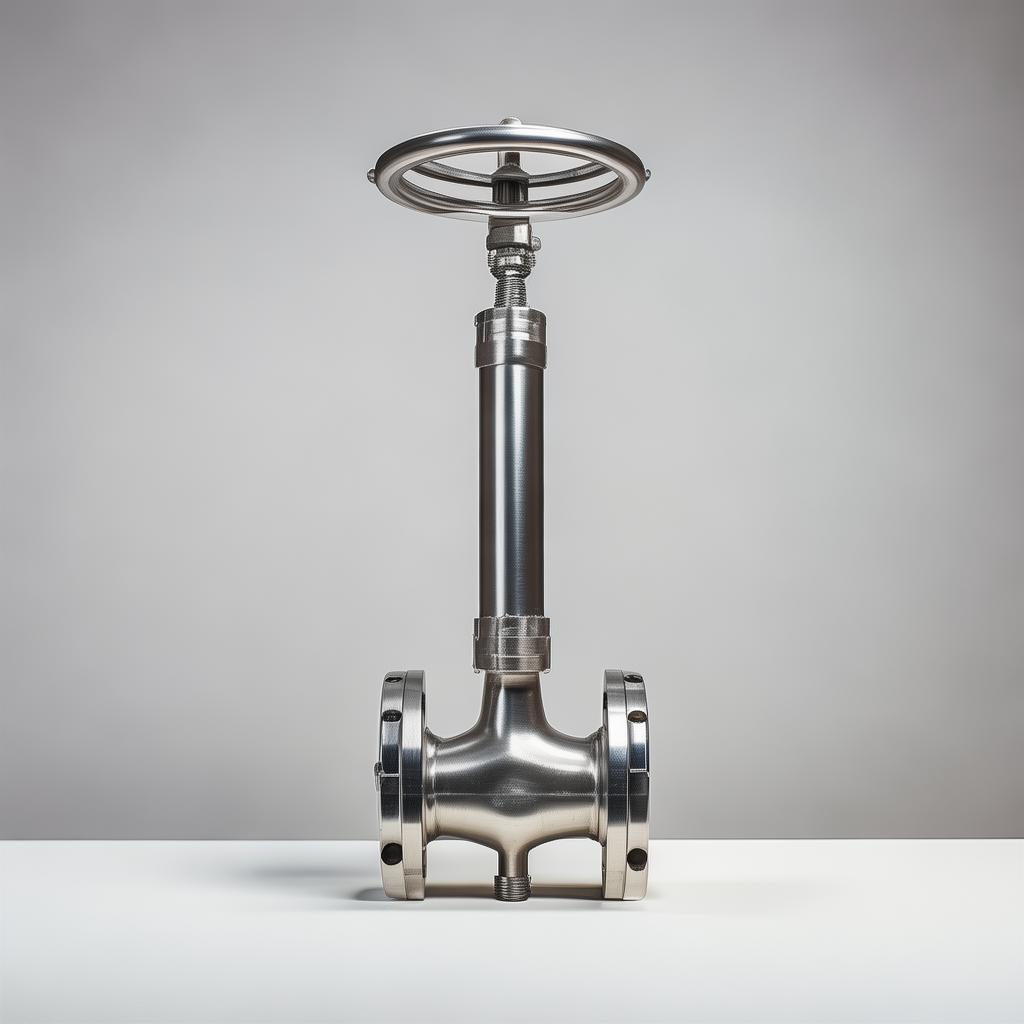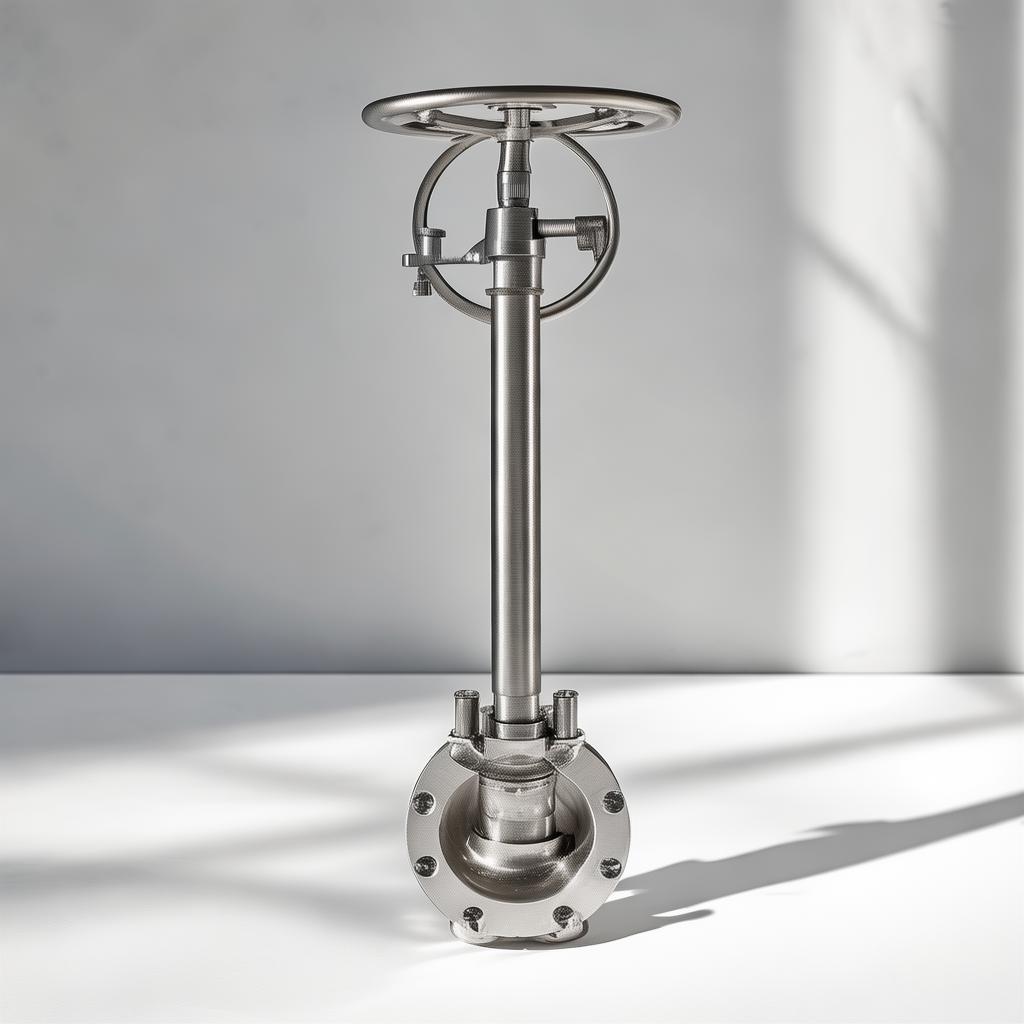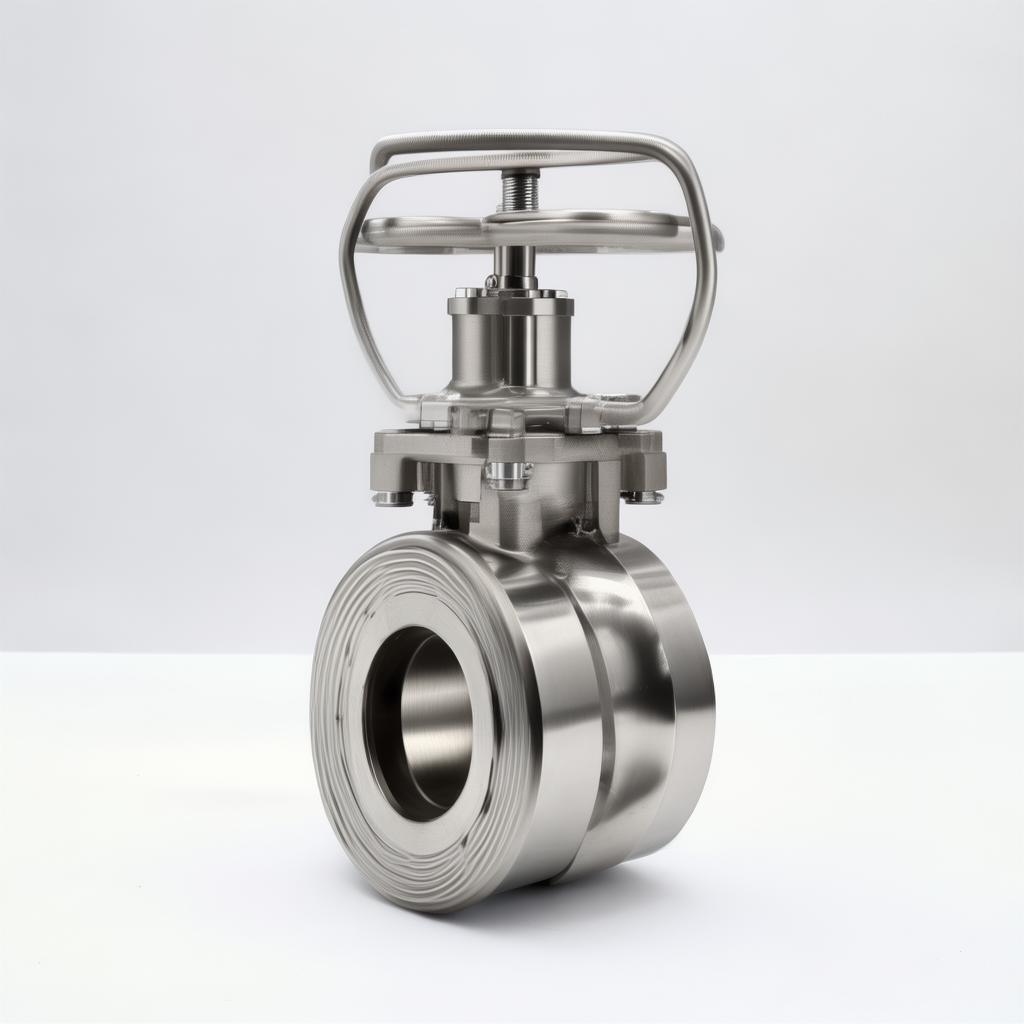
Struggling with unstable vacuum levels causing product rejection and process safety risks? Discover the precision engineering behind industrial vacuum regulators—engineered to deliver consistent, reliable vacuum control in the harshest environments.
✅ Trusted by 200+ industrial buyers in the USA, Saudi Arabia, and Europe | ISO 9001:2024 & CE Certified
In chemical processing, packaging, and pharmaceutical lines, an unstable vacuum supply leads directly to product waste, equipment downtime, and costly safety incidents. Standard regulators often fail to deliver under real-world conditions.
You need a vacuum pressure regulator valve built to your exact operating parameters—not a generic off-the-shelf compromise.
A vacuum regulator (or negative pressure regulator) is a precision control valve designed to maintain a constant, adjustable downstream vacuum level, regardless of fluctuations in the source vacuum or changes in downstream demand. Unlike a pressure regulator which reduces positive pressure, a vacuum regulator controls the level of vacuum by balancing two forces: the spring force pushing the diaphragm open, and the atmospheric or vacuum force pulling it closed.
The Working Principle:
1. The adjuster knob compresses the control spring, setting the desired vacuum set-point.
2. As downstream vacuum (negative pressure) reaches the set-point, the diaphragm lifts, moving the poppet closer to the seat.
3. If downstream vacuum decreases (becomes less negative), the spring pushes the diaphragm down, opening the valve to pull more vacuum from the source.
4. If downstream vacuum increases (becomes too negative), the diaphragm closes further, restricting the source or bleeding in atmosphere to maintain the precise set-point.
This highly responsive control loop ensures stable downstream pressure even with fluctuating upstream supply pressure or varying flow rate demands.
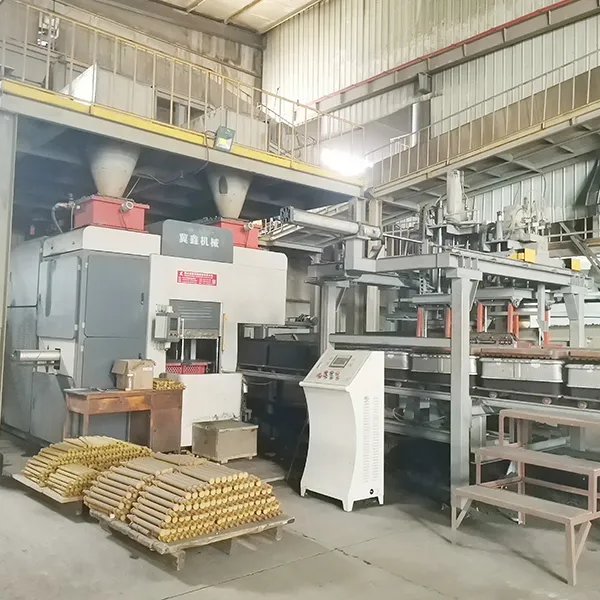
Figure 1: Cross-section of a precision vacuum diaphragm regulator.
| Parameter | Standard Industry Range | Thriveon Custom Capability |
|---|---|---|
| Pressure Control Range | 0 to -30 inHg | 0 to -30 inHg (Fine Tuning Available) |
| Body Materials | Brass, 316 Stainless Steel | Hastelloy, Monel, PTFE-Lined, 316L SS |
| Port Size | 1/4" NPT to 1" NPT | 1/8" NPT up to 4" Flanged (ANSI/ DIN) |
| Supply Pressure Effect | 2 psi per 100 psi | 0.5 psi per 100 psi (Superior Stability) |
| Temperature Range | -40°F to 200°F | -100°F to 400°F (Cryogenic & High-Temp Options) |
| Elastomer Options | Buna-N, EPDM | Viton, Kalrez, Silicone (for chemical compatibility) |
electro vacuum valve gas canister regulator gas appliance regulator
Eliminate the middleman. Our B2B direct sales model cuts your procurement costs by 30-45% compared to distributor-sourced valves.
Standard vacuum regulators ship within 48 hours. Urgent orders to the USA arrive in 5-7 business days via express logistics.
Need a specific spring range, flange drilling, or special trim? Our 10+ year engineering team provides prototypes in as fast as 15 days.
Every adjustable vacuum regulator is 100% factory tested for set-point accuracy, leakage, and cycle life. ISO 9001:2024 certified production lines.
"Our chemical plant in Louisiana standardized on Thriveon's vacuum regulators after a rigorous 6-month trial. The result: 37% less unplanned maintenance compared to our previous supplier. Their technical support team is exceptional."

"We struggled with inconsistent vacuum levels on our pharmaceutical packaging line. Thriveon's vacuum pressure regulator valve solved it immediately. Zero product rejection since installation last quarter."

A pressure regulator controls positive pressure (above atmosphere) to a stable downstream level. A vacuum regulator controls negative pressure (below atmosphere) by balancing spring force against a diaphragm sensing downstream vacuum. It can bleed air in or restrict the vacuum source to maintain the exact set-point.
The regulator's diaphragm continuously senses the downstream pressure. If the source vacuum drops, the spring opens the valve further to compensate. If the source vacuum becomes too strong, the diaphragm closes the valve to prevent over-vacuum. This closed-loop mechanical feedback ensures stable downstream pressure regardless of supply pressure variations.
Standard brass regulators are not suitable for corrosive gases (like H₂S, chlorides, or acids). Thriveon offers custom material solutions including 316L Stainless Steel, Hastelloy C-276, Monel, and PTFE-lined bodies with Kalrez or Viton elastomers to handle the most aggressive chemical environments.
"Bleeding" refers to a feature in many vacuum regulators where a small amount of atmospheric air is intentionally allowed into the downstream system. This prevents the vacuum from exceeding the set-point when there is no downstream demand, acting as a vacuum relief valve to protect sensitive equipment.
Sizing a vacuum regulator requires knowing three key parameters: 1. Required flow rate (SCFM or Nm³/h). 2. Required downstream vacuum set-point (inHg or mbar). 3. Available source vacuum level. Thriveon's engineering team provides free sizing assistance—simply submit your process conditions to info@thriveonvalve.com.
For standard modifications (spring range, port size), lead time is typically 5-10 working days. For fully custom designs (special materials, flanges, certifications), prototype lead time is 15-25 working days. We offer expedited services for critical projects.
Absolutely. We provide 24/7 technical support via email and WhatsApp. All our vacuum regulators come with a standard 24-month warranty. In the rare event of a defect, we offer a replacement unit immediately. Our team of senior engineers is available for remote diagnostics and troubleshooting.
"Excellent quality and very fast delivery. The custom adjustable vacuum regulator for industrial use we ordered perfectly fit our automated filling lines. Highly recommended for any US buyer looking for a reliable valve supplier in China. 5 Stars."

"We've struggled with low-quality regulators from other Asian suppliers. Thriveon's valves are superior in build quality, precision, and reliability. Finally, a trustworthy OEM valve manufacturer that understands international standards. Their pricing beats everyone."

"The OEM process was incredibly smooth. Their engineers understood our requirements for a vacuum regulator for chemical processing immediately. The cost savings were significant, and the performance has been flawless for 8 months."


Li Wei is a Senior Valve Application Engineer at Ningjin Thriveon Valve Co., Ltd. With over 15 years of experience in fluid control and industrial valve design, Li has helped over 200 international clients optimize their process efficiency and reduce total cost of ownership. He is a certified specialist in ISO 4126 safety standards and vacuum system design for the chemical and pharmaceutical industries.
Don't let unstable vacuum levels compromise your production yield or safety compliance. Get a custom-engineered solution delivered fast.
📞 Call us: +86-311-86935302 | ✉️ Email: info@thriveonvalve.com
📍 Add: South of Huanmadian Village Town, Ningjin County, Xingtai, Hebei Province, China
🔒 Free Sample Available for Qualified Buyers | 24-Month Warranty & ISO 9001:2024 Certified
Related Products
 Call us on:
+86-311-86935302
+86-311-86935302
Call us on:
+86-311-86935302
+86-311-86935302
 Email Us:
info@thriveonvalve.com
Email Us:
info@thriveonvalve.com South of Huanmadian Village Town, Ningjin County, Xingtai, Hebei Province, China