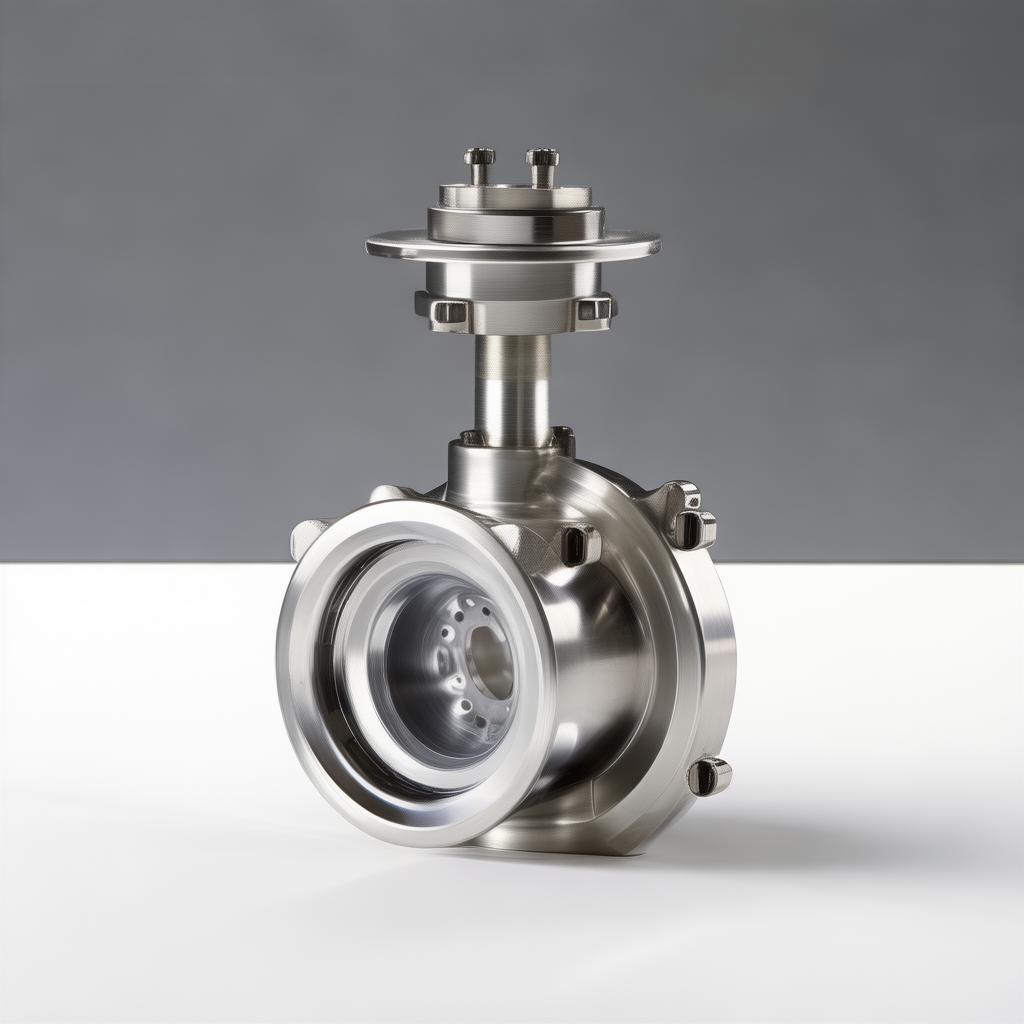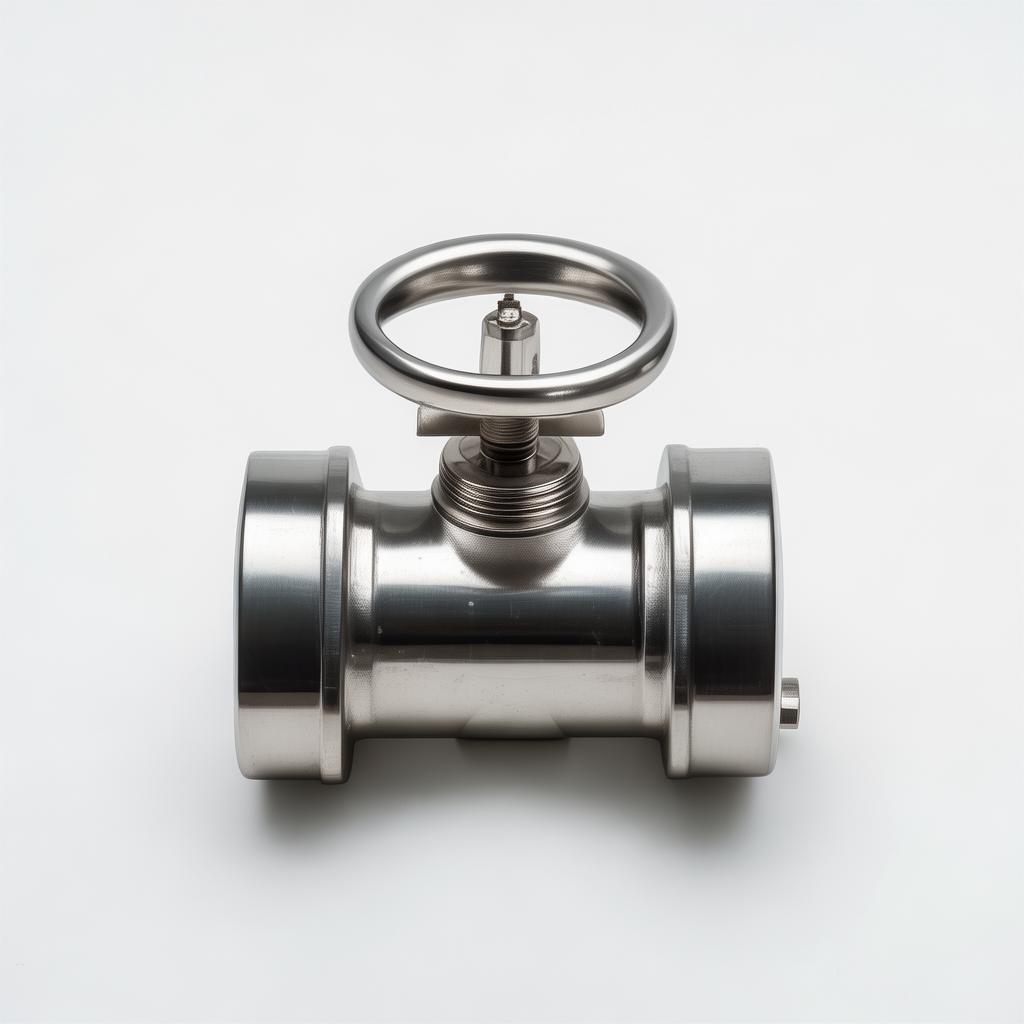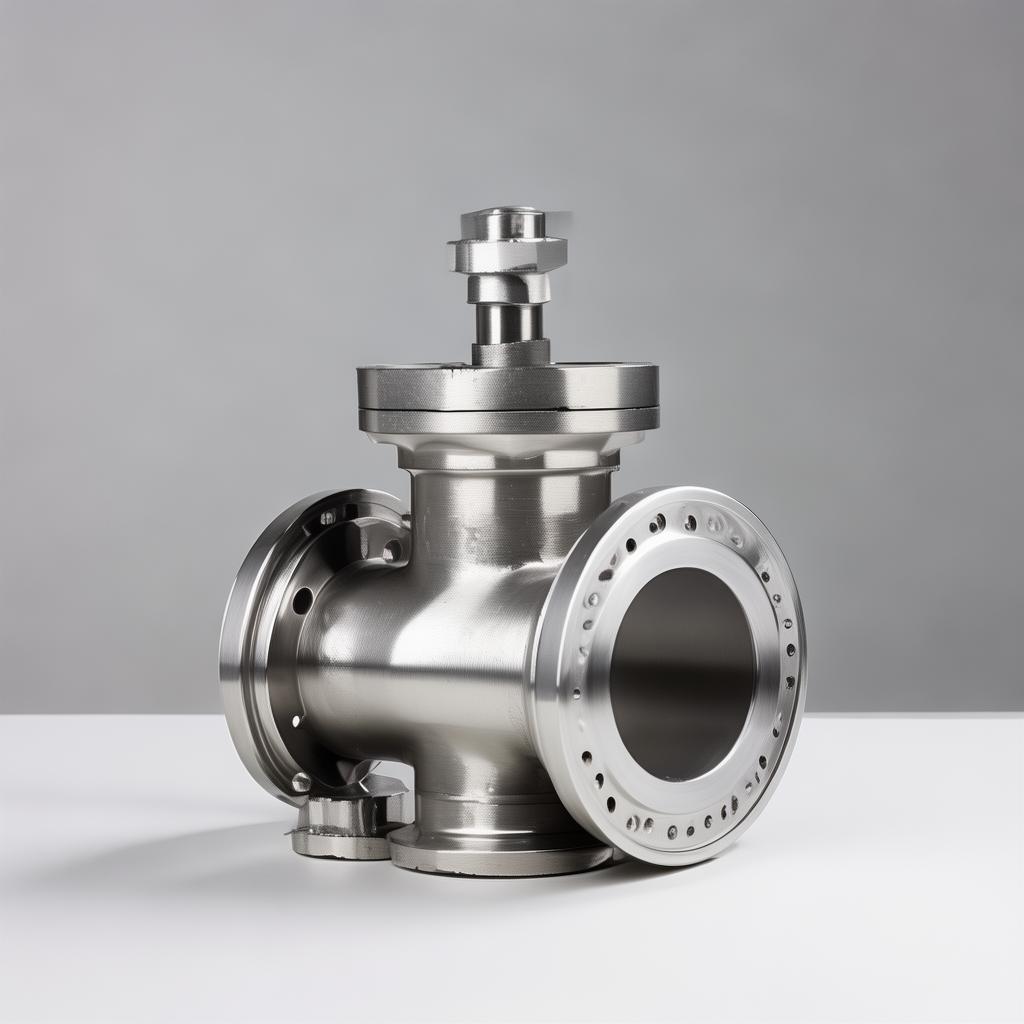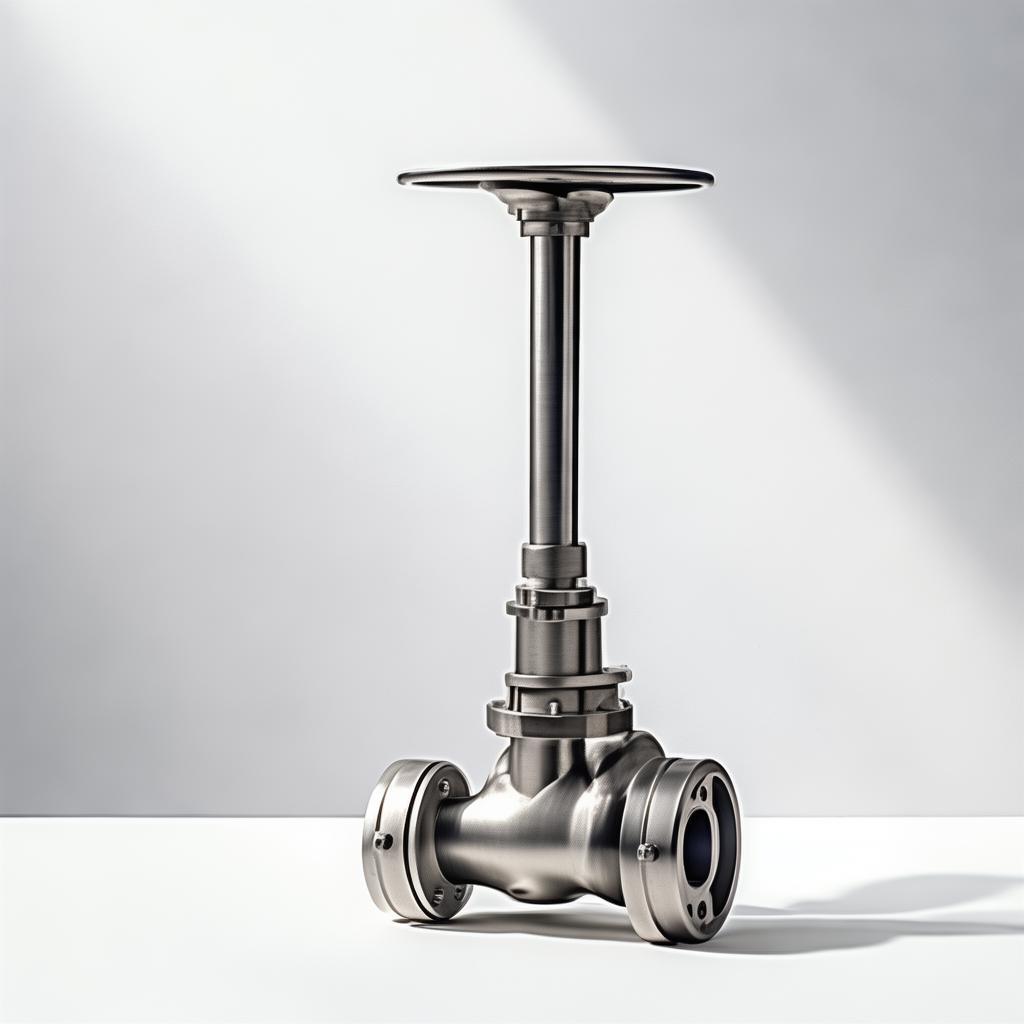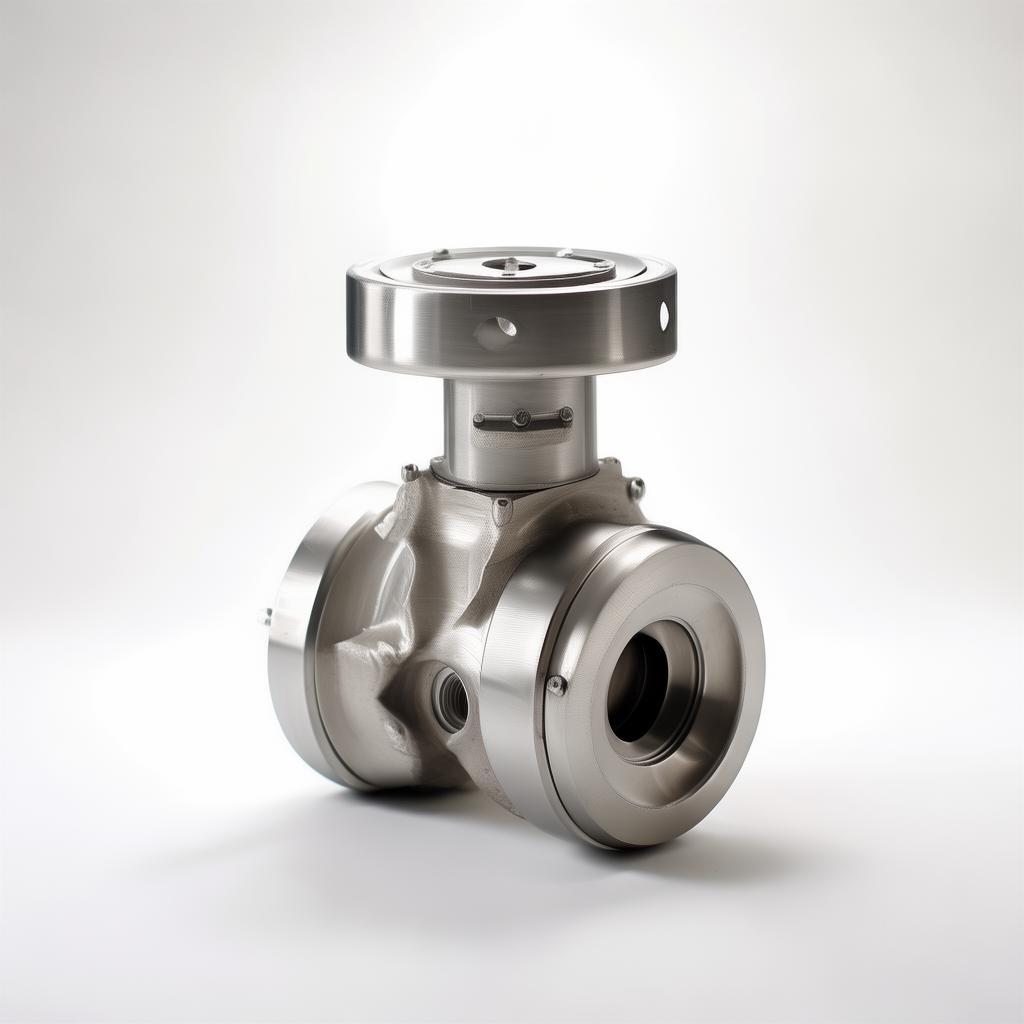
Stop guessing which gate valve type fits your system. From rising stem to wedge, parallel slide to pressure seal — this guide compares 8 major gate valve types with technical specs, failure modes, and procurement insights for water, oil & gas, and chemical applications.
Designed for procurement managers, technical directors, and operations teams in the USA, Saudi Arabia, South Africa, and Italy who demand ANSI/API compliance, fast lead times, and factory-direct pricing.
✓ Free sample for qualified buyers · ✓ OEM/ODM supported · ✓ 12-month warranty
You've sourced gate valves before. But with 15+ types, 7 end connections, and pressure ratings from 150# to 2500#, one wrong specification can cascade into:
Source: Industry failure analysis reports (2023–2025). Your actual experience may vary by application.
Below is a systematic comparison of the 8 most widely used gate valve types in industrial applications. Each type is evaluated on operation principle, pressure rating, stem design, seat sealing, material compatibility, and typical lifecycle.
Best for: High-temperature steam, high-pressure oil & gas, critical shut-off.
Key feature: Stem rises visibly — you see if the valve is open or closed. Indicates packing wear. Compliant with API 600, ASME B16.34.
Pressure rating: 150# – 2500#. Sizes: 2" – 48". Materials: WCB, WC6, LCC, CF8M.
Best for: Underground water mains, vertical installations, limited-space piping.
Key feature: Stem threads are inside the valve — protected from external corrosion. Stem does not extend outward. Common in AWWA C500, AWWA C509 standards.
Pressure rating: 150# – 300#. Sizes: 2" – 36". Materials: Ductile iron, cast iron, bronze.
Best for: General service, water, steam, oil, gas — most common type.
Key feature: Single-piece wedge design. Simple, strong, lower cost. Suitable for non-critical, moderate-pressure applications. Standard: API 600 / BS 1414.
Sizes: 2" – 24". Materials: Carbon steel, stainless steel, bronze.
Best for: High-temperature thermal cycling, steam lines, power plants.
Key feature: Wedge has a flexible "hub" that compensates for thermal expansion — reduces jamming. Excellent seat tightness even under temperature swings.
Pressure rating: 150# – 600#. Sizes: 2" – 36". Materials: WCB, WC9, CF8M.
Best for: High-pressure water injection, oil pipelines, abrasive slurries (limited).
Key feature: Two-piece wedge seats against both body seats. Self-cleaning action. Suitable for high-velocity flow. Seat leakage better than solid wedge in some services.
Pressure rating: 150# – 1500#. Sizes: 2" – 30". Materials: Alloy steel, stainless steel.
Best for: Supercritical steam, high-pressure power plants, boiler systems.
Key feature: Body-bonnet joint uses internal pressure to tighten the seal — ideal for >600#. No flanged gasket. Low maintenance. API 600 / ASME B16.34.
Pressure rating: 900# – 2500#. Sizes: 2" – 24". Materials: WC9, C12A, F91.
Best for: Slurries, pulp & paper, wastewater treatment, mining.
Key feature: Sharp-edged gate cuts through solids. Unidirectional or bidirectional. Low pressure — typically 50# – 150#. Standard: MSS SP-81.
Sizes: 2" – 60". Materials: Cast iron, ductile iron, stainless steel, with replaceable seat.
Best for: LNG, liquid nitrogen, liquid oxygen, low-temperature chemical processes.
Key feature: Extended bonnet to protect stem packing from cryogenic temperature (-196°C / -320°F). Materials: CF8M (304L/316L). Compliant with BS 6364, EN 12567.
Pressure rating: 150# – 600#. Sizes: 1/2" – 24".
Selecting the right end connection is as critical as the valve type itself. Here is a quick reference:
Need help matching end connections to your piping spec? Fill out the spec sheet →
| Gate Valve Type | Pressure Rating | Size Range | Typical Materials | Standards | Best For | Relative Cost |
|---|---|---|---|---|---|---|
| Rising Stem (OS&Y) | 150# – 2500# | 2" – 48" | WCB, WC6, LCC, CF8M | API 600, ASME B16.34 | High-temp steam, oil & gas | $$$ |
| Non-Rising Stem (NRS) | 150# – 300# | 2" – 36" | Ductile iron, cast iron | AWWA C500, C509 | Underground water, vertical | $$ |
| Solid Wedge | 150# – 600# | 2" – 24" | Carbon steel, SS, bronze | API 600, BS 1414 | General service, water, steam | $$ |
| Flexible Wedge | 150# – 600# | 2" – 36" | WCB, WC9, CF8M | API 600 | Thermal cycling, power plants | $$$ |
| Split Wedge (Parallel Slide) | 150# – 1500# | 2" – 30" | Alloy steel, SS | API 600 | Water injection, oil pipelines | $$ |
| Pressure Seal | 900# – 2500# | 2" – 24" | WC9, C12A, F91 | API 600, ASME B16.34 | Supercritical steam, boilers | $$$$ |
| Knife Gate Valve | 50# – 150# | 2" – 60" | Cast iron, ductile iron, SS | MSS SP-81 | Slurries, pulp, mining | $ |
| Cryogenic Gate Valve | 150# – 600# | 1/2" – 24" | CF8M (304L/316L) | BS 6364, EN 12567 | LNG, cryogenic liquids | $$$ |
Cost index: $ = lowest, $$$$ = highest. Actual pricing depends on size, material, quantity, and certifications. Request a customized quotation →
Case in point: A US-based EPC contractor recently selected Thriveon rising stem gate valves (API 600, WCB, 600# RF flanged, 8"–12") for a midstream gas gathering project in West Texas. The client needed 4-week lead time with full PMI and hydrostatic test reports. Delivered on time — zero non-conformance.
Names and logos available upon request for qualified buyers. We respect confidentiality agreements.

"We used rising stem gate valves from Thriveon for a 600# steam line. The flexible wedge design handled thermal cycling without jamming — a problem we had with another supplier. 120 valves delivered in 5 weeks, all with PMI reports. That is reliability."

"Non-rising stem ductile iron gate valves per AWWA C500 — we ordered 300 units for a desalination plant expansion. Thriveon matched the exact face-to-face dimensions and provided 3rd-party coating inspection. No field issues. Cost 18% below our previous supplier."

"We needed stainless steel split wedge gate valves for a corrosive chemical process. Thriveon's engineering team helped us select the right trim (316L + Stellite seat). Lead time was 6 weeks — half of what European suppliers offered. CE/PED certified."
Reviews are from real clients. Names may be abbreviated for confidentiality. Request full references →
A: Rising stem (OS&Y) has a stem that moves upward as the valve opens — you can visually confirm the position. Non-rising stem keeps the stem stationary; the gate moves along threads inside the valve. Choose rising stem for above-ground installation where stem visibility aids operation. Choose non-rising stem for buried service, limited headroom, or where the stem must be protected from environmental corrosion. Key standard: rising stem → API 600 / non-rising stem → AWWA C500.
A: Solid wedge is the simplest and most economical — best for clean fluids, moderate temperatures, and lower pressure. Flexible wedge is engineered for thermal cycling and high-temperature steam — the wedge flexes to prevent binding. Split wedge (parallel slide) offers self-cleaning and tighter shut-off in high-pressure, high-velocity services like water injection. Rule of thumb: For steam > 400°F, use flexible wedge. For dirty or high-velocity fluids, consider split wedge.
A: Extended bonnet gate valves per BS 6364 or EN 12567. The extended bonnet keeps the stem packing at ambient temperature while the body handles cryogenic temperature (-196°C / -320°F). Body material is typically austenitic stainless steel (CF8M / 316L) to maintain ductility. Never use standard carbon steel gate valves for cryogenic service — brittle fracture risk.
A: For standard sizes (2"–12", 150#–600#, carbon steel), typical production lead time is 4–6 weeks. Shipping by sea to US West Coast ports takes approximately 18–22 days. Air freight is available for urgent orders (3–5 days). Thriveon offers a "Quick Ship" program for select gate valve types with 3-week factory lead time. All valves come with full documentation: material certs, hydro test reports, NDE reports.
A: Yes. Thriveon supports OEM/ODM customization including: special trim materials (Stellite, Monel, Hastelloy), different end connections (flanged, BW, SW, threaded), extended stem, gearbox or actuator mounting, special coatings (PTFE, nylon, epoxy), and custom marking. Minimum order quantity for custom trims: 10 units per size. Standard trims have no MOQ.
A: Flanged ends are easier to install and maintain — ideal for systems that require valve removal for servicing. Common in water, chemical, and general industrial. Butt-weld ends offer a permanent leak-proof connection suitable for high-pressure, high-temperature systems where flanges could be a leak path — typical in power plants and refinery steam lines. Select based on installed maintenance philosophy and system pressure.
A: For most US oil & gas applications, API 600 (or API 6D) is the primary standard. Additional certifications may include: NACE MR0175 for sour service, ISO 15848 for fugitive emissions, and ATEX for explosive atmospheres (required for some international projects). Thriveon offers all major certifications — our team can help map certification requirements to your project spec.
A: Typical terms: 30% TT deposit with order, 70% TT balance before shipment (for new customers). For established customers with credit history, LC at sight is accepted. We also accept Western Union, MoneyGram, and credit card (for smaller amounts). Minimum order: $2,000 USD FOB for standard products. All pricing is EXW, FOB (Qingdao/Tianjin/Shanghai), CIF, or DDP as agreed.
Limited-time offer: Free sample valves for qualified procurement projects (min. quantity 50 units per order). Valid for first-time buyers until 31st December 2026.
✅ Risk-free: 12-month warranty against manufacturing defects · ✅ Free replacement for any valve that fails due to material or workmanship · ✅ Factory-direct pricing — no middleman markups
📩 Get Your Customized Gate Valve Quote — Response in 24 Hours📞 Call/WhatsApp: +86-311-86935302 · ✉️ Email: info@thriveonvalve.com
Or visit our contact page: https://www.thriveonvalves.com/contactus.html
Your information is kept confidential. We respect your privacy.

Senior Valve Engineer & Technical Writer — 14+ years in industrial valve design, procurement consulting, and international trade. David has helped 80+ industrial clients across North America, Europe, the Middle East, and Africa select the right valve type for their applications. He is a Certified Valve Specialist (CVS) and regularly contributes to Valve Magazine and the API Valve Standards Committee. Reach David at info@thriveonvalve.com.
Related Products
 Call us on:
+86-311-86935302
+86-311-86935302
Call us on:
+86-311-86935302
+86-311-86935302
 Email Us:
info@thriveonvalve.com
Email Us:
info@thriveonvalve.com South of Huanmadian Village Town, Ningjin County, Xingtai, Hebei Province, China