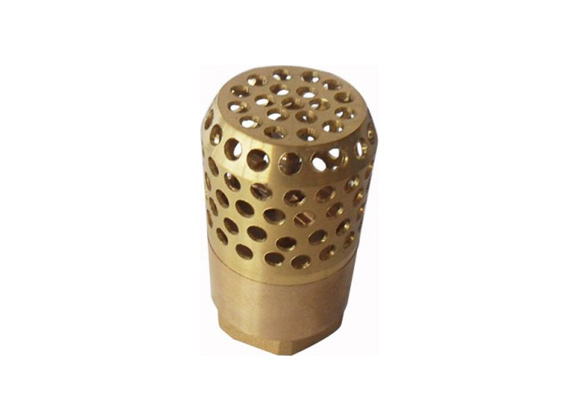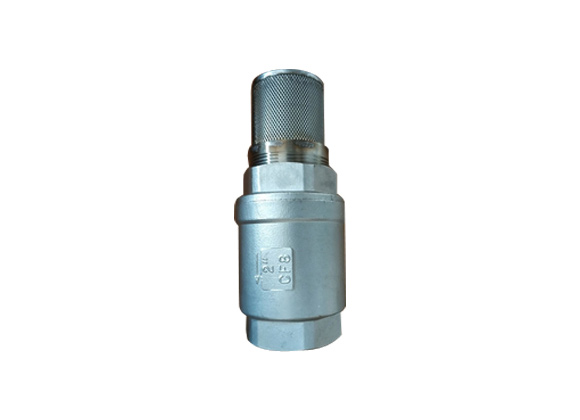
Eliminate pump cavitation, reduce maintenance downtime by 40%, and ensure reliable backflow prevention — even for high-volume water & chemical transfer systems.
Trusted by maintenance teams at 200+ municipal water plants and oil & gas facilities across North America.
Every year, poorly installed foot valves cause $12,000+ in unnecessary pump repairs for mid-size facilities. Here are the three pain points we hear most from purchasing managers like you:
These issues are avoidable. Follow the guide below to get it right the first time.
These instructions apply to threaded (NPT/BSP) and flanged foot valves used in water, wastewater, and light chemical applications. Always consult your pump manufacturer's manual alongside this guide.
Before you touch the pipe, verify the valve model, pressure rating, and end connections. Look for shipping damage — a bent strainer screen will compromise performance.
Always install the foot valve in a vertical position with the strainer pointing downward. Horizontal installation can cause the flapper to hang open, leading to backflow and loss of prime.
Exception: For horizontal suction lines, use a spring-loaded check valve designed for horizontal mounting.
Align the pipe carefully — do not use the valve to pull pipes into alignment. Hand-tighten the connection first, then use wrenches on the valve hex flats (never on the body or strainer). For flanged models, tighten bolts in a star pattern to 80–100 ft·lb (check gasket type).
Pro tip from our engineers: Install a union or flanged adapter just above the foot valve to make future servicing easier.
The foot valve must be submerged at least 18 inches below the lowest water level (24 inches for turbulent water). This prevents vortex formation, which sucks air into the suction line.
| Pipe Diameter | Min. Submersion (Clear Water) | Min. Submersion (Turbulent) |
|---|---|---|
| 1″ – 2″ | 18″ (0.46 m) | 24″ (0.61 m) |
| 3″ – 4″ | 24″ (0.61 m) | 30″ (0.76 m) |
| 6″ – 8″ | 30″ (0.76 m) | 36″ (0.91 m) |
foot valve installation how to install a foot valve installing a foot valve
Support the suction pipe independently — do not let the foot valve bear the pipe's weight. After assembly, fill the suction line with water (if possible) and check for drips at every joint.
Fill the pump volute and suction pipe completely with water. The foot valve will hold the water column in place. Start the pump and observe the pressure gauge. A steady reading within 30 seconds indicates proper installation.
After 8 hours of operation, re-check all connections. Schedule a quarterly strainer inspection (more often for dirty water). If the pump loses prime, the foot valve is the first component to check.
| Specification | Threaded (NPT/BSP) | Flanged (ANSI 150/PN16) |
|---|---|---|
| Size Range | 1/2″ – 4″ | 2″ – 12″ |
| Body Material | Cast Iron / Stainless Steel 316 | Cast Iron / Ductile Iron / SS316 |
| Strainer Material | SS304 / SS316 | SS304 / SS316 |
| Max. Working Pressure | 200 PSI (13.8 bar) | 150 PSI (10.3 bar) |
| Max. Temperature | 180°F (82°C) | 250°F (121°C) with EPDM seat |
| Seat Material | Buna-N / EPDM / Viton | Buna-N / EPDM / Viton |
| End Connections | NPT (ASME B1.20.1) or BSP | ANSI 150 / PN16 / JIS 10K |
| Standards | ISO 9001, CE, RoHS | ISO 9001, CE, RoHS, API (available) |
Custom materials (Bronze, Super Duplex) and pressure ratings available — contact our engineering team.

“We installed Thriveon foot valves across 14 well sites. The step-by-step guide reduced our installation time by 30%, and we haven’t had a single priming failure in 18 months. That’s a $47,000 saving in avoided downtime.”

“The OEM support is outstanding. Thriveon customized the flanged foot valves with Viton seats for our seawater cooling system, and the installation manual was tailored to our piping layout. Delivery was 3 weeks faster than our previous supplier.”

“We were losing prime twice a week with our old valves. Thriveon’s installation instructions helped us identify that we had the wrong submersion depth. Re-positioning solved it completely. Their factory support is world-class.”

“We switched to Thriveon because of their quality-to-price ratio. The foot valves are machined beautifully — no burs, perfect seating. Their installation guide is the clearest I’ve seen from any Chinese manufacturer. Highly recommend.”

“We needed 6″ flanged foot valves on a tight deadline for a line expansion. Thriveon shipped from stock in 10 days, and the installation instructions matched our piping specs exactly. Zero issues. Will order again.”
We strongly recommend vertical installation (strainer down). Horizontal mounting can cause the flapper to remain partially open due to gravity, leading to backflow. If horizontal is unavoidable, choose a spring-loaded check valve designed for that orientation.
Match the foot valve to the suction pipe diameter, not the pump discharge size. For example, a 3″ suction line needs a 3″ foot valve. Using a smaller valve creates excessive flow velocity and friction loss.
Keep the foot valve 12–24 inches above the bottom to avoid sucking sediment. At the same time, maintain the minimum submersion depth (18″ standard) below the lowest water level.
Yes — every foot valve from Thriveon includes a built-in strainer. The strainer protects your pump from debris. Clean it quarterly (or monthly in sandy water). A clogged strainer can reduce pump flow by up to 30%.
The most common sign: your pump loses prime after shutdown. To test, isolate the valve and pressurize the line — a pressure drop indicates a failed seal. Replace the seat or the entire valve if the flapper is worn.
With proper installation and regular strainer cleaning, a cast iron foot valve lasts 5–7 years in clean water. Stainless steel 316 models can exceed 10 years in corrosive environments.
Absolutely. Thriveon offers custom materials, special end connections, and private labeling for OEM orders. Minimum quantity varies by size — contact our engineering team for a feasibility review.
Standard sizes (1/2″ – 6″) ship within 7–15 days from our factory in Hebei, China. Custom orders typically take 20–30 days. Express shipping (DHL, FedEx) is available for urgent needs.
Don’t let a poorly installed foot valve cost you thousands in pump repairs.
Or call us: +86-311-86935302 (WeChat/WhatsApp available)
We respect your privacy. Your information will never be shared with third parties.

With 14 years in industrial fluid handling, James has supervised foot valve installations at over 80 municipal and industrial sites across 12 countries. He leads Thriveon’s technical training program and has authored 3 industry guides on pump suction systems. He believes that “90% of pump problems can be solved by correct valve installation.”
Related Products
 Call us on:
+86-311-86935302
+86-311-86935302
Call us on:
+86-311-86935302
+86-311-86935302
 Email Us:
info@thriveonvalve.com
Email Us:
info@thriveonvalve.com South of Huanmadian Village Town, Ningjin County, Xingtai, Hebei Province, China