Apr . 16, 2026 03:10
In the complex world of industrial piping and fluid dynamics, the valve serves as the critical heartbeat of the system. Whether it is regulating pressure, controlling flow rates, or ensuring a complete shut-off for safety, the right valve selection can mean the difference between operational efficiency and costly system failure. This guide explores the intricate details of valve technology, helping engineers and procurement specialists make informed decisions. Understanding the nuances of different valve types ensures that your infrastructure remains robust, safe, and sustainable for years to come.
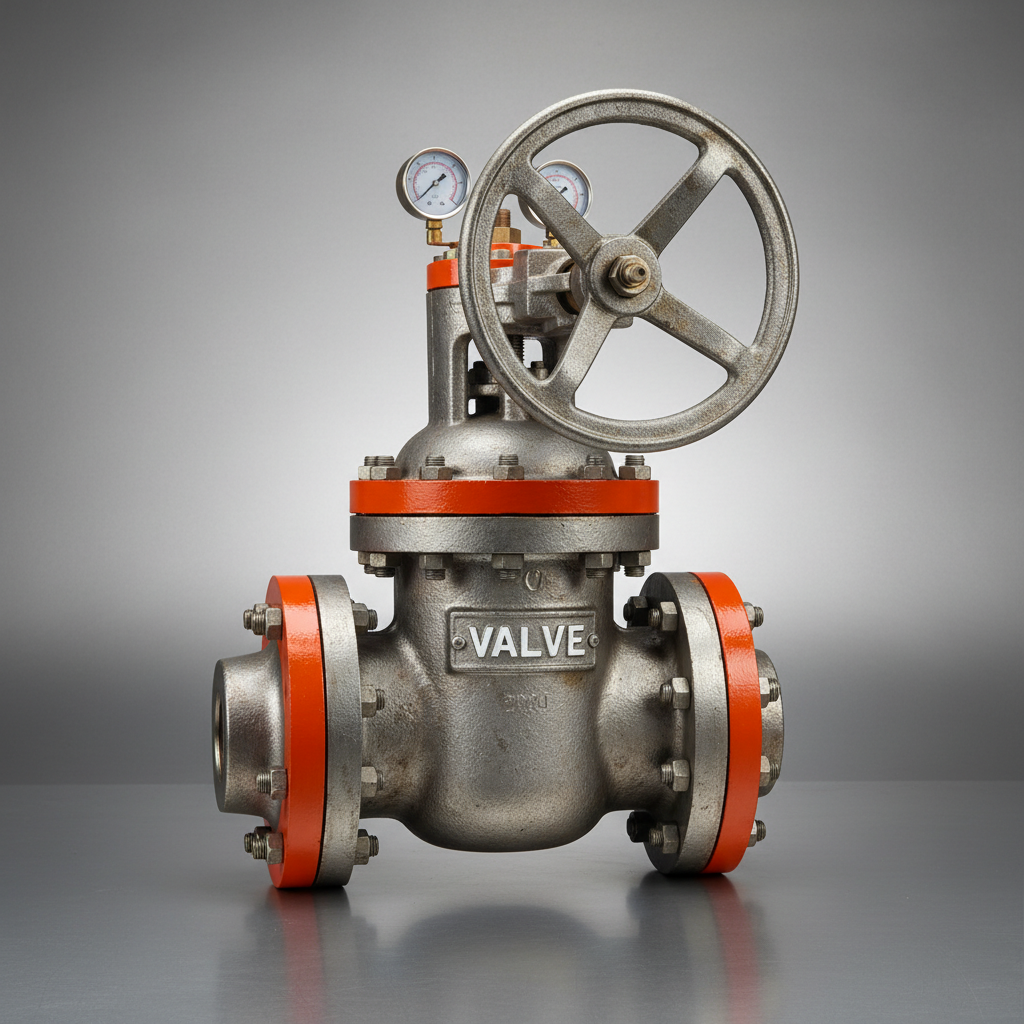
At its core, the valve is a mechanical device that controls the flow of a liquid or gas. By manipulating the opening or closing of a passage, these components allow operators to start or stop flow, regulate the volume of fluid passing through a pipe, or prevent backflow in a system. In high-pressure environments, the integrity of the valve body and the precision of the seal are paramount. Modern industrial valves are engineered from high-grade alloys and stainless steels to withstand extreme temperatures and corrosive chemicals, ensuring longevity in the most demanding environments.
Core Functionality: Valves operate through various mechanisms—rotary, linear, or diaphragm—to achieve a specific flow state, ranging from fully open to completely sealed (bubble-tight shut-off).
Selecting the correct version of the valve depends entirely on the application. For instance, ball valves provide quick shut-off and excellent sealing, making them ideal for on/off service. In contrast, globe valves are designed for precise throttling, allowing for fine adjustments of the flow rate. Butterfly valves offer a compact design and are highly efficient for large-diameter pipes. By comparing these options, companies can optimize their system's energy consumption and reduce maintenance downtime.
The durability of the valve is heavily influenced by the materials used in its construction. For standard water applications, cast iron or brass may suffice. However, in the oil and gas industry, stainless steel or duplex steel is required to prevent corrosion and erosion. The seat material, such as PTFE or reinforced graphite, also plays a critical role in determining the temperature and pressure limits of the component. Using mismatched materials can lead to galvanic corrosion, which significantly shortens the equipment's lifespan and increases the risk of leaks.
To ensure seamless integration into a piping network, the specifications of the valve must be precisely aligned with the system requirements. This includes the nominal diameter, pressure rating (such as ANSI or DIN standards), and the connection type (threaded, flanged, or welded). A high-quality valve will provide detailed technical documentation, ensuring that it can handle the specific flow coefficient (Cv) required for the process. Below is a sample specification table for a high-performance industrial ball valve.
Even the highest quality the valve requires regular maintenance to prevent leaks and mechanical failure. Routine tasks such as lubricating the stem, inspecting seals for wear, and testing the actuation system are essential. For automated valves, ensuring that the pneumatic or electric actuators are calibrated prevents "hunting" or imprecise positioning. Implementing a predictive maintenance schedule using sensor data can help identify potential failures before they lead to unscheduled shutdowns, thereby maximizing the return on investment.
The industry is currently shifting toward "smart" valves. By integrating IoT sensors, the valve can now communicate its health status, flow rate, and leak detection in real-time to a centralized control system. Furthermore, the development of 3D-printed valve components is allowing for more complex internal geometries that reduce turbulence and pressure drop. These innovations not only improve safety but also significantly lower the carbon footprint of industrial operations by reducing waste and increasing energy efficiency across the board.
Selecting the valve is more than a simple purchase; it is a strategic decision that impacts the safety, efficiency, and longevity of your entire industrial process. From understanding material compatibility to leveraging the latest in smart technology, the right approach to flow control ensures seamless operation. By prioritizing quality and technical precision, companies can reduce operational risks and achieve higher productivity. Invest in precision, invest in durability—choose the right valve for your specific needs.
The choice depends on your application. A ball valve is best for quick shut-off (quarter-turn operation) and provides a very tight seal, making it ideal for applications where you need to stop flow rapidly. A gate valve is designed for isolation in systems where the valve is either fully open or fully closed, but not used for throttling. Gate valves generally offer a lower pressure drop when fully open, making them better for high-flow main lines, whereas ball valves are more compact and faster to operate.
Cavitation occurs when the pressure of a liquid drops below its vapor pressure, forming bubbles that subsequently collapse with immense force as pressure increases. This process can pit the surface of the valve trim, leading to noise, vibration, and eventual mechanical failure. To prevent this, engineers select valves with anti-cavitation trims or design the system to maintain pressures above the vapor point of the fluid.
Not necessarily. While stainless steel offers superior corrosion resistance and can handle higher temperatures, it is significantly more expensive. For simple water systems or low-pressure air lines where corrosion is not a risk, cast iron or ductile iron valves are more cost-effective and perfectly adequate. The "better" valve is the one that meets all safety and performance requirements of the medium being transported while remaining economically viable.
The most common signs include visible leaks around the stem or body, difficulty in operating the handle (stiffness), and "passing," which is when a valve fails to shut off the flow completely. Excessive vibration or unusual noise during operation can also indicate internal damage or cavitation. Regular inspection and pressure testing are the best ways to determine if a valve has reached the end of its service life and needs to be replaced to ensure system safety.
Related Products
 Call us on:
+86-311-86935302
+86-311-86935302
Call us on:
+86-311-86935302
+86-311-86935302
 Email Us:
info@thriveonvalve.com
Email Us:
info@thriveonvalve.com South of Huanmadian Village Town, Ningjin County, Xingtai, Hebei Province, China