Mar . 28, 2026 03:25
Valves are essential components in any system that controls the flow of fluids – whether it's water, oil, gas, or steam. Selecting the right valve type is crucial for optimal performance, safety, and longevity of your operation. This article will explore the diverse range of valves available, outlining their functions, applications, and key considerations for choosing the best solution for your needs. From simple on/off control to precise flow regulation, understanding the nuances of each valve type will empower you to make informed decisions.
At their core, valves regulate, direct, or stop the flow of fluids. They accomplish this by opening, closing, or partially obstructing passageways within the system. The choice of valve depends heavily on the specific application, considering factors like the type of fluid, pressure, temperature, and the required level of control. A properly selected valve minimizes energy loss, prevents backflow, and enhances system efficiency. They're vital for processes ranging from simple plumbing to complex industrial operations. Thrive on Valves offers a wide selection to meet various industrial standards and specific application needs.
Key Considerations: Selecting the right valve requires careful consideration of the fluid type, pressure, temperature, and desired level of control.
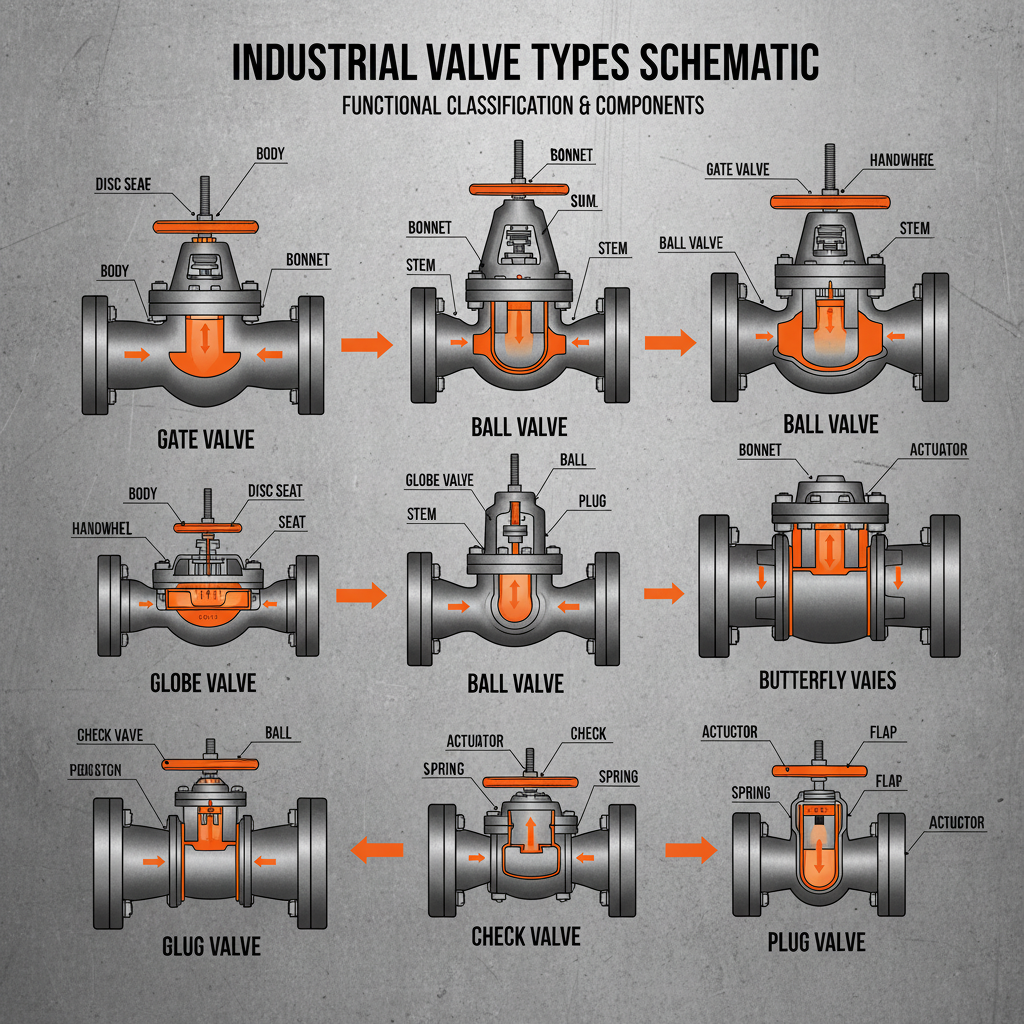
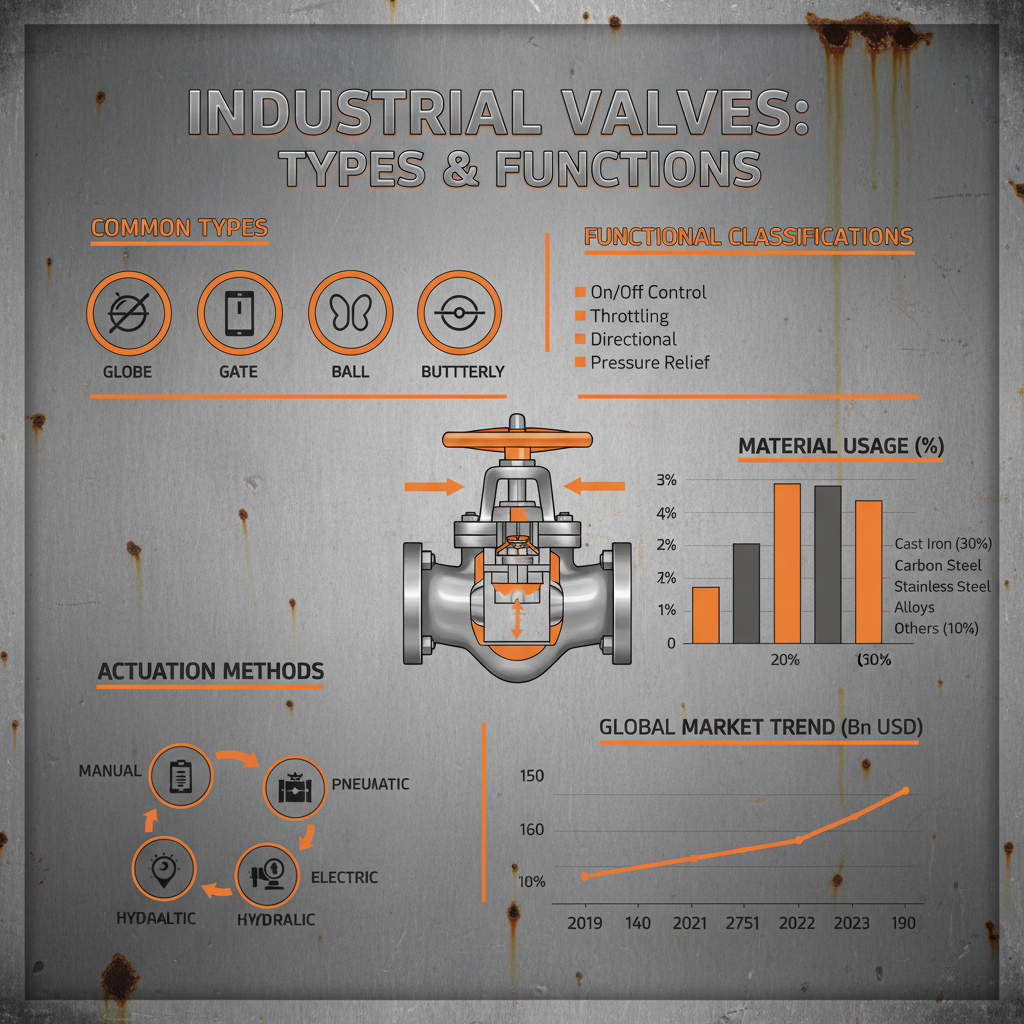
Several key valve types are widely used across industries. Gate Valves are ideal for on/off control when a straight-line flow is needed, common in water and oil pipelines. Globe Valves excel at throttling and regulating flow, making them useful in applications requiring precise control. Ball Valves offer quick quarter-turn operation and tight shutoff, often employed in gas and liquid systems. Butterfly Valves are lightweight and cost-effective, suitable for large-diameter pipes and low-pressure applications. Check Valves prevent backflow, ensuring unidirectional flow and protecting equipment. Finally, Solenoid Valves use electromagnetic force to control fluid flow, commonly found in automated systems.
Valve Selection Guide:
• Gate Valves: On/off control, straight-line flow.
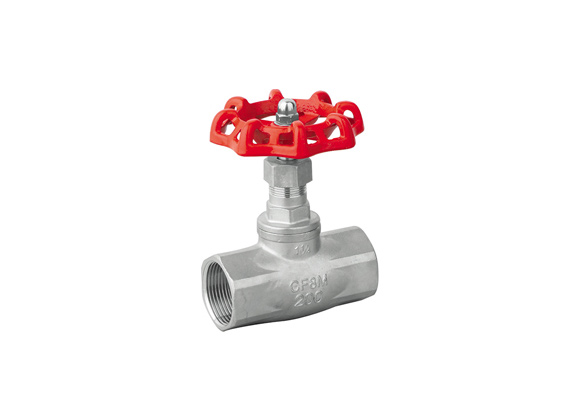
• Globe Valves: Throttling and precise flow regulation.
• Ball Valves: Quick shutoff, gas and liquid systems.
• Butterfly Valves: Large diameter pipes, low pressure.
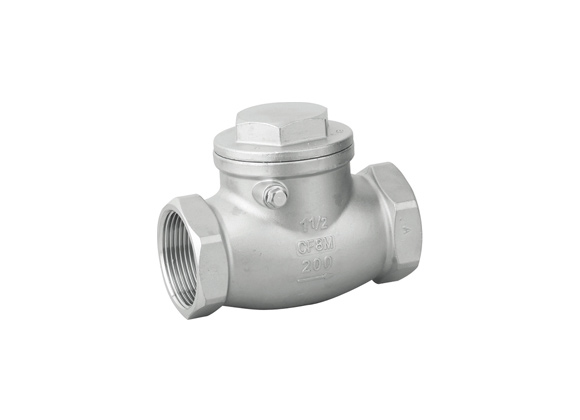
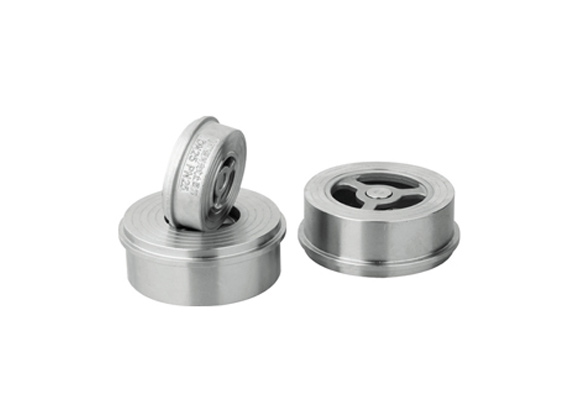
• Check Valves: Prevent backflow.
• Solenoid Valves: Automated systems.
Understanding the strengths and weaknesses of different valve types is crucial for optimal selection. Factors such as pressure drop, flow capacity, speed of operation, and maintenance requirements vary significantly between valve types. For instance, gate valves generally have a low pressure drop but are slow to operate, while ball valves offer fast operation but can create more turbulence. The optimal choice depends on a balance of these characteristics to meet the specific demands of your application. Contact Thrive on Valves for expert guidance in selecting the appropriate valve for your unique needs.
Valve technology is constantly evolving. Smart valves, equipped with sensors and actuators, are becoming increasingly popular. These valves enable remote monitoring, automated control, and predictive maintenance, improving efficiency and reducing downtime. Another emerging trend is the use of advanced materials, such as corrosion-resistant alloys and polymers, to enhance valve durability and performance in harsh environments. These innovations are driving the industry towards greater automation, reliability, and sustainability. Thrive on Valves stays at the forefront of these advancements.
Selecting the appropriate valve type is a critical decision that impacts the efficiency, safety, and reliability of any fluid control system. By understanding the different valve types, their characteristics, and emerging technologies, you can make informed choices that optimize performance and minimize costs. Whether you need a simple on/off valve or a sophisticated automated system, Thrive on Valves offers a comprehensive selection and expert support to meet your specific requirements.
Several factors are crucial. The type of fluid (water, oil, gas, corrosive chemicals) dictates the material compatibility. Pressure and temperature ratings must match the system's operating conditions. Flow rate requirements determine the valve size and type. Consider the desired level of control – on/off, throttling, or precise regulation. Finally, assess the environment (indoor, outdoor, hazardous) and any relevant safety standards. Properly assessing these factors ensures optimal valve performance and longevity.
Gate valves are primarily designed for on/off service, providing a straight-line flow path with minimal pressure drop when fully open. They are not ideal for throttling. Globe valves, on the other hand, are excellent for throttling and regulating flow. Their design creates more turbulence, resulting in a higher pressure drop but precise control. Choose a gate valve when you need a simple on/off switch and a globe valve when you need to precisely control flow rate.
Valve material selection is extremely important. The material must be compatible with the fluid being handled to prevent corrosion, erosion, or other forms of degradation. Different materials offer varying levels of resistance to temperature, pressure, and chemical attack. Common valve materials include stainless steel, brass, cast iron, and various polymers. Selecting the appropriate material ensures long-term reliability and prevents costly failures.
Smart valves integrate sensors, actuators, and communication capabilities into traditional valve designs. This enables remote monitoring of valve status, automated control based on real-time conditions, and predictive maintenance based on performance data. Benefits include improved efficiency, reduced downtime, enhanced safety, and lower operating costs. They are particularly valuable in complex industrial processes where precise control and data analysis are essential.
Related Products
 Call us on:
+86-311-86935302
+86-311-86935302
Call us on:
+86-311-86935302
+86-311-86935302
 Email Us:
info@thriveonvalve.com
Email Us:
info@thriveonvalve.com South of Huanmadian Village Town, Ningjin County, Xingtai, Hebei Province, China