Mar . 11, 2026 03:15
Valves are essential components in various industries, controlling the flow of fluids – liquids, gases, or slurries. Understanding the different types of valves and their functions is critical for efficient and safe operations. From simple on/off control to precise flow regulation, valves play a vital role in numerous applications. This article will provide a comprehensive overview of common valve types, their operating principles, and typical use cases, helping you select the right valve for your specific needs. Ensuring correct valve selection directly impacts system performance, longevity, and safety.
Before diving into specific valve types, it’s important to understand their basic functionality. Valves operate based on several key principles, including controlling flow based on pressure differences, using a closure element (like a disc or ball) to obstruct or allow flow, and regulating flow through adjustments to the opening size. Valves are categorized based on their movement type (linear, rotary, or poppet), their application (high pressure, high temperature, corrosive fluids), and the method used for actuation (manual, pneumatic, electric). The selection process should consider the fluid type, temperature, pressure, flow rate, and required level of control. Thrive On Valves offers a wide range of solutions to meet diverse industrial needs.
Key Considerations: Fluid compatibility, operating pressure, temperature range, flow rate, control precision, and actuation method are crucial factors when choosing a valve.
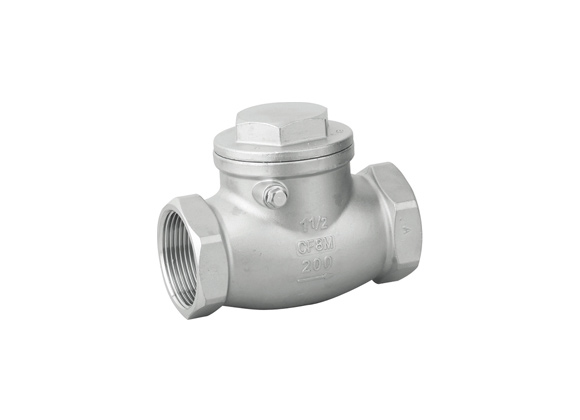
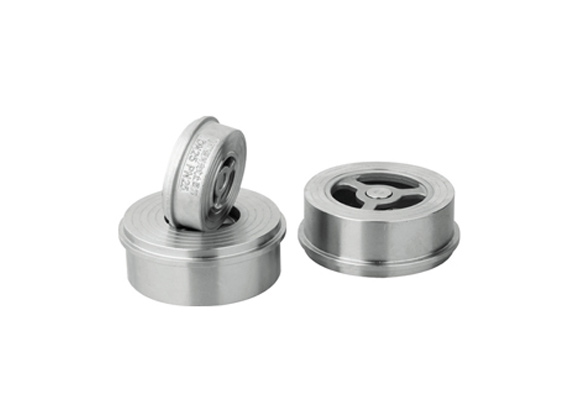
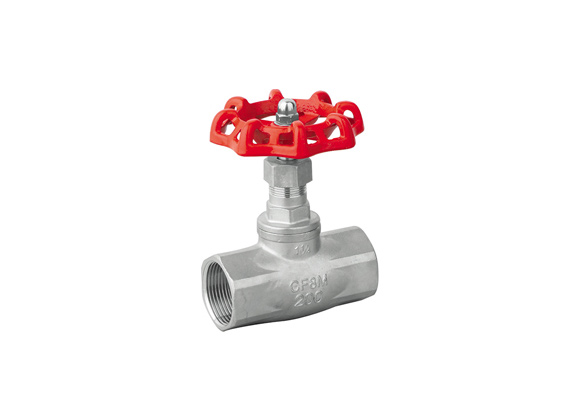
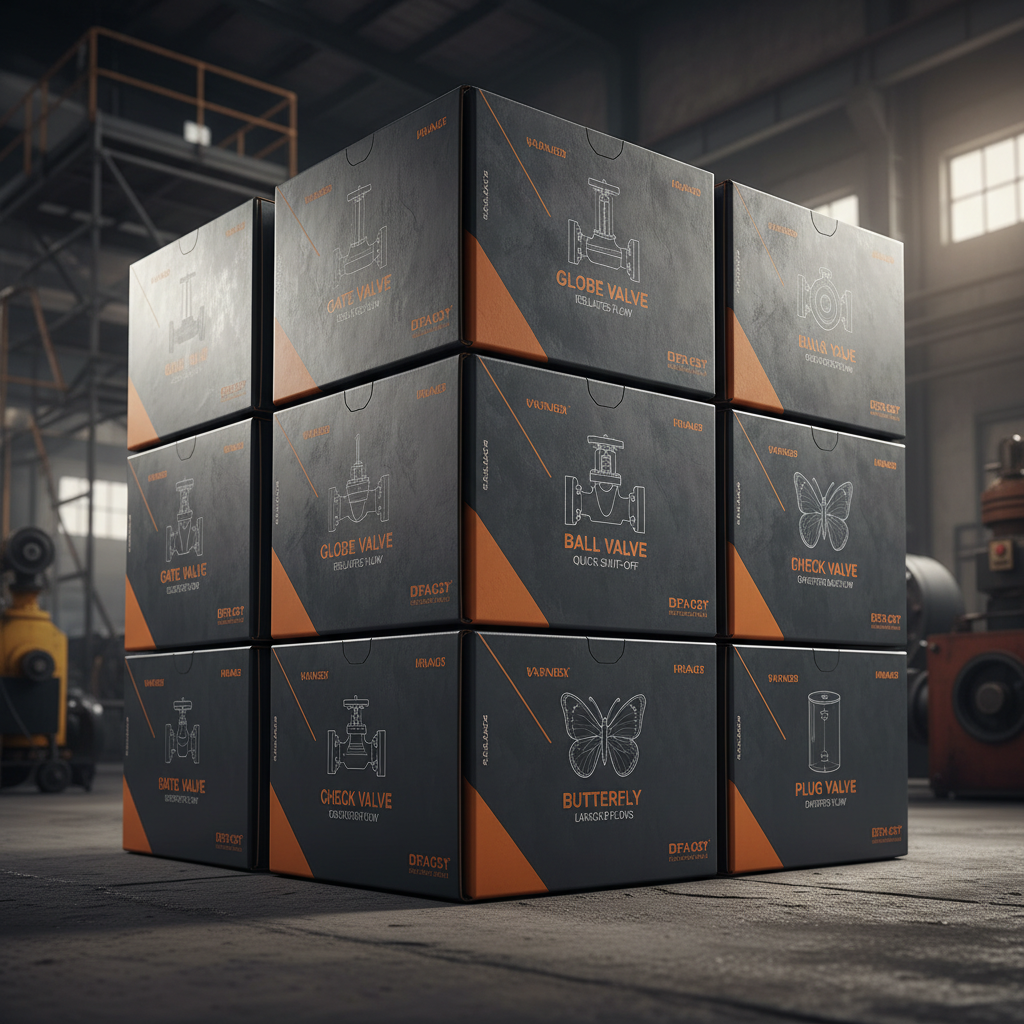
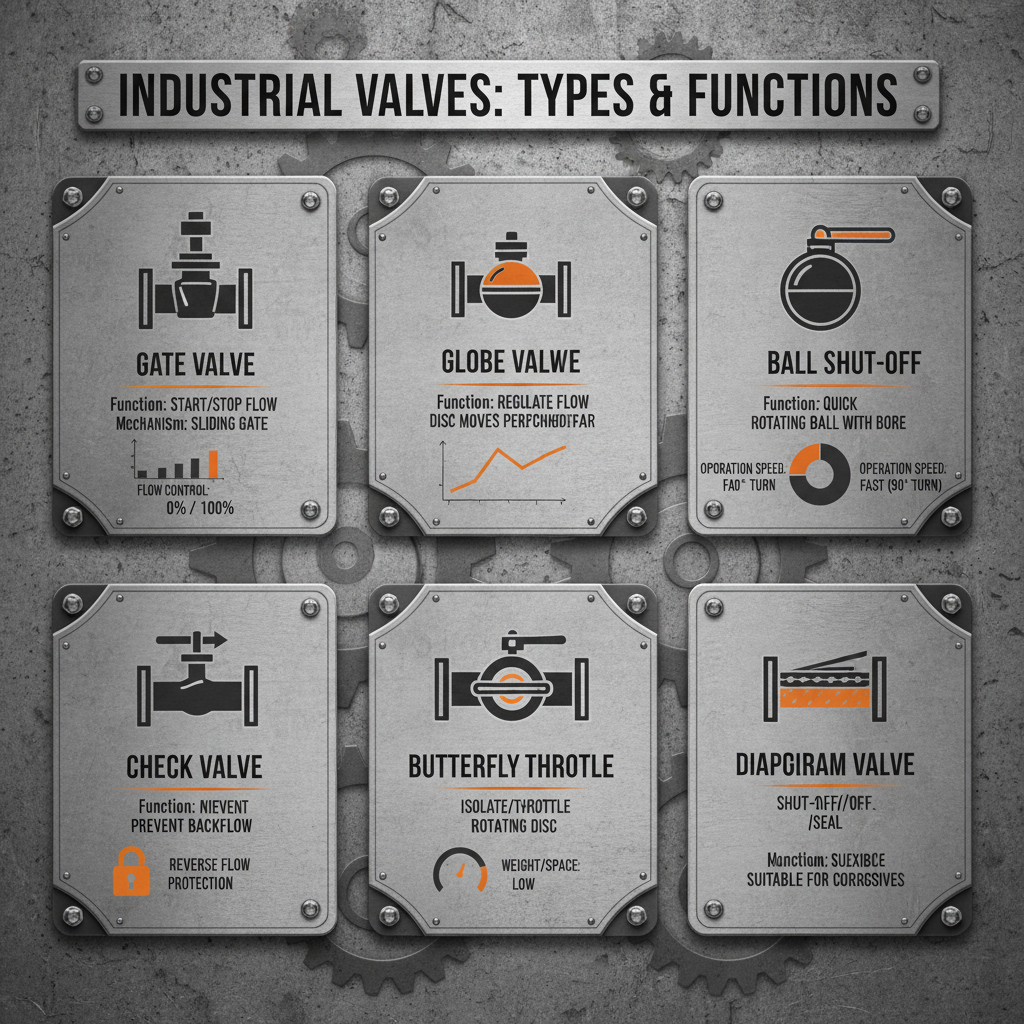
There are numerous valve types, each designed for specific applications. Some of the most common include: Gate Valves, Globe Valves, Ball Valves, Butterfly Valves, Check Valves, and Control Valves. Gate valves are primarily used for on/off service and provide minimal flow obstruction when fully open. Globe valves are ideal for throttling and flow regulation but cause significant pressure drop. Ball valves offer quick on/off control with minimal pressure loss and are widely used in various industries. Butterfly valves are lightweight and cost-effective for large-diameter pipes. Check valves prevent backflow and are essential for system protection. Control valves are used for precise flow control in automated processes.
Valve Type Overview:
• Gate Valve: On/Off control, minimal obstruction
• Globe Valve: Throttling and flow regulation
• Ball Valve: Quick on/off, minimal pressure loss
• Butterfly Valve: Cost-effective, large diameter
• Check Valve: Prevents backflow
• Control Valve: Precise flow control
Different valve types excel in different areas. Understanding their comparative performance is crucial for making informed decisions. For instance, while ball valves offer quick shut-off, they may not be ideal for precise throttling. Similarly, gate valves, while efficient in fully open or closed positions, are not designed for modulating flow. The following table summarizes key characteristics to aid in valve selection. Choosing the right valve contributes to minimizing energy consumption and maximizing process efficiency.
Valves can be actuated in various ways, influencing their response time and control capabilities. Manual valves require direct human operation, suitable for infrequent adjustments. Pneumatic actuators use compressed air for rapid and reliable operation, commonly used in automated systems. Electric actuators offer precise control and remote operation, ideal for complex processes. The choice of actuation method depends on the application’s requirements for speed, accuracy, and automation level. Explore our range of actuated valves for efficient and reliable operation.
The valve industry is continually evolving, with innovations focused on improving efficiency, reliability, and sustainability. Smart valves equipped with sensors and communication capabilities are gaining popularity, enabling remote monitoring, predictive maintenance, and optimized control. Materials science is also playing a key role, with the development of corrosion-resistant alloys and advanced polymers extending valve lifespan and reducing maintenance costs. Digitalization and the Industrial Internet of Things (IIoT) are transforming valve operation, providing valuable data insights for process optimization.
Choosing the right valve is critical for ensuring the efficiency, safety, and reliability of your fluid control systems. By carefully considering the application requirements, fluid characteristics, and performance parameters, you can select a valve that meets your specific needs. Thrive On Valves provides a comprehensive range of high-quality valves and expert support to help you make the best decision. Don't compromise on performance – choose the right valve for the job.
When dealing with corrosive fluids, material compatibility is paramount. The valve body, internal components, and seals must be constructed from materials resistant to the specific corrosive agent. Common choices include stainless steel (various grades), PTFE (Teflon), and specialized alloys like Hastelloy. It’s crucial to consult chemical compatibility charts and consider the fluid’s concentration, temperature, and pressure. Proper sealing materials are equally important to prevent leakage and ensure long-term reliability. Furthermore, the valve design should minimize stagnant areas where corrosion can initiate.
Valve size directly impacts flow rate, pressure drop, and system efficiency. An undersized valve will restrict flow, causing a significant pressure drop and potentially damaging the pump or reducing process throughput. An oversized valve may be difficult to control precisely and can lead to cavitation. Correct valve sizing requires accurate calculations based on the flow rate, fluid properties, and system pressure requirements. Consulting with valve specialists can ensure optimal valve sizing for your specific application.
Regular valve maintenance is crucial for ensuring long-term reliability, preventing unexpected failures, and minimizing downtime. Routine inspections should include checking for leaks, corrosion, and wear on seals and other components. Periodic lubrication of moving parts is also essential. Following the manufacturer's recommended maintenance schedule will help extend valve lifespan and maintain optimal performance. Addressing minor issues promptly can prevent them from escalating into major problems.
Automated valves offer several benefits, including improved process control, increased efficiency, and reduced labor costs. They can be integrated into automated systems for precise flow regulation, remote operation, and data logging. Automated valves also enhance safety by minimizing human intervention in hazardous environments. The initial investment in automated valves is typically offset by long-term cost savings and improved operational performance.
Related Products
 Call us on:
+86-311-86935302
+86-311-86935302
Call us on:
+86-311-86935302
+86-311-86935302
 Email Us:
info@thriveonvalve.com
Email Us:
info@thriveonvalve.com South of Huanmadian Village Town, Ningjin County, Xingtai, Hebei Province, China