Mar . 10, 2026 03:15
Plumbing valves are essential components of any plumbing system, controlling the flow of water or gas. Selecting the right valve for a specific application is crucial for efficient and safe operation. This article explores the diverse types of plumbing valves available, detailing their functions, applications, and benefits. We’ll cover everything from basic ball valves to more specialized pressure reducing valves, helping you make informed decisions for your plumbing needs. Choosing the correct valve can prevent leaks, maintain water pressure, and ensure the longevity of your system.
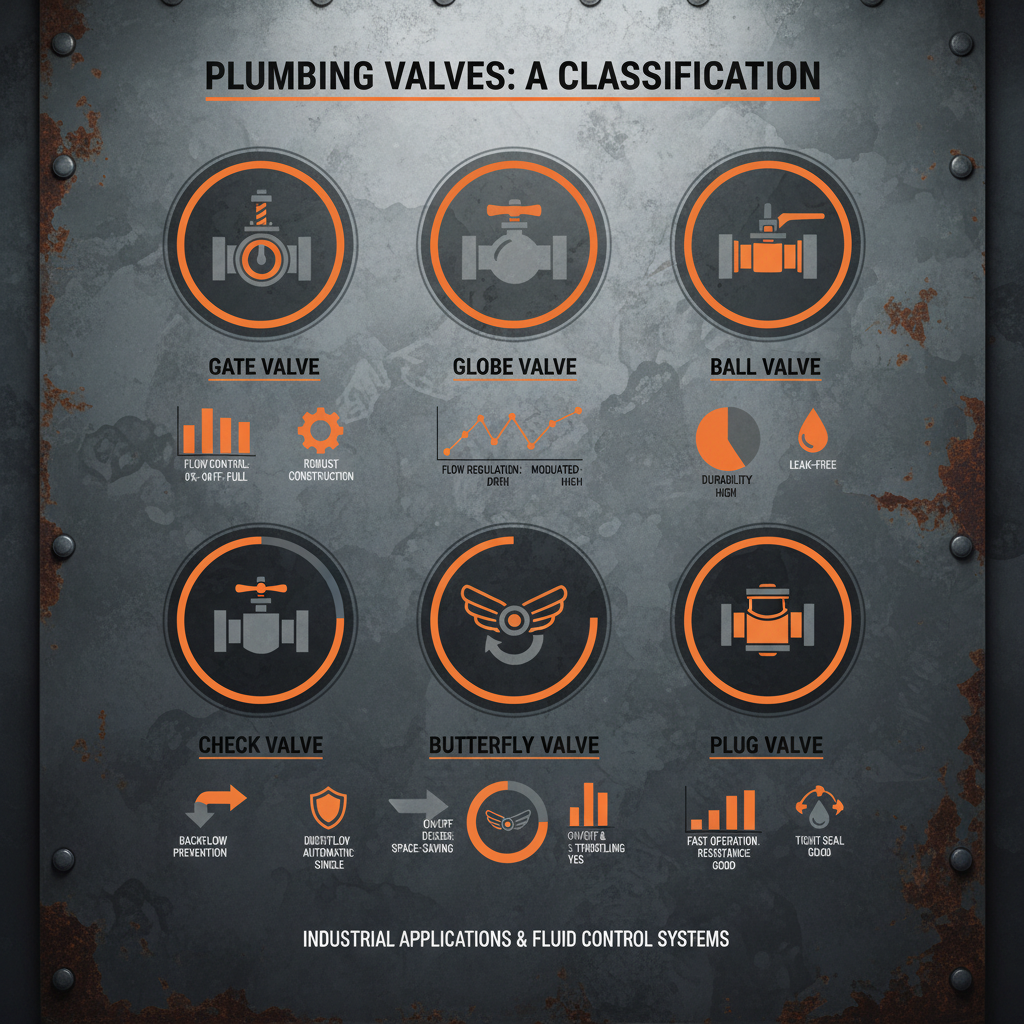
Ball valves are among the most common types of plumbing valves, prized for their simple design and reliable shut-off capabilities. They use a hollow, perforated ball to control water flow. Rotating the ball a quarter-turn either aligns the hole with the flow path, allowing water to pass, or perpendicular to it, blocking the flow. Ball valves are ideal for applications requiring quick and complete shut-off, such as isolating sections of a plumbing system for repairs. They are generally cost-effective and require minimal maintenance. Thriveon Valves offers a wide selection of high-quality ball valves in various materials and sizes.
Gate valves employ a gate-shaped disc that slides up and down to control water flow. When the gate is lowered, it blocks the flow; raising it allows water to pass. While effective for complete shut-off, gate valves are not ideal for throttling (partially opening to regulate flow) as this can cause erosion and damage to the gate and seat. They are frequently used in situations where infrequent operation and full flow are required. However, due to their higher flow resistance compared to ball valves, they are becoming less common in new installations.
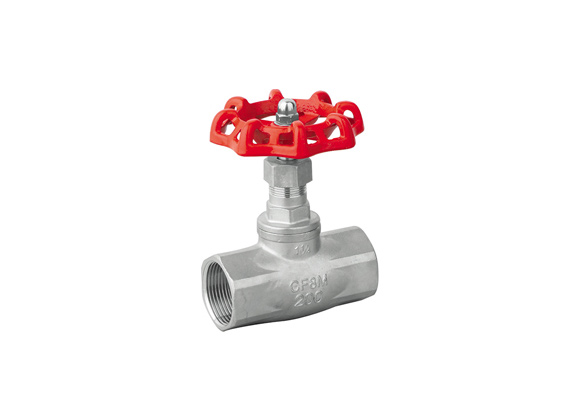
Globe valves are designed for precise flow regulation. They feature a disc that moves perpendicular to the flow path, allowing for fine adjustments to the water flow rate. This makes them ideal for applications where throttling is frequently required, such as controlling water flow to a shower or faucet. However, the constricted flow path results in higher pressure drop compared to ball or gate valves. They are commonly used in steam and chemical applications as well.
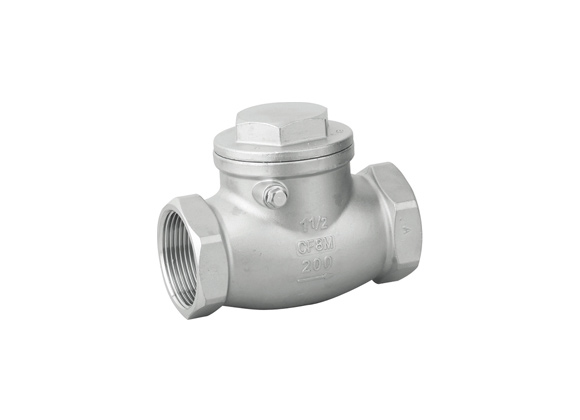
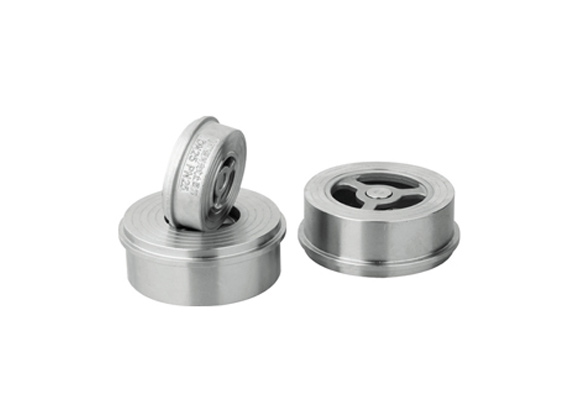
Check valves, also known as one-way valves, are designed to prevent backflow in a plumbing system. They allow water to flow in only one direction, automatically closing if the flow reverses. This is crucial for protecting potable water supplies from contamination and preventing damage to equipment. Various types of check valves exist, including swing check valves, lift check valves, and ball check valves, each suited for different applications. These valves are often used in well systems, sump pumps, and irrigation systems.
Key Valve Types Comparison: This quick reference guide summarizes the main characteristics of the valve types discussed.
Pressure Reducing Valves (PRVs) are essential for regulating water pressure in a plumbing system, especially when the incoming water pressure is high. High water pressure can damage pipes and appliances. PRVs automatically reduce the incoming pressure to a safe and consistent level. They are commonly installed at the main water supply line to protect the entire home or building. Properly sized and maintained PRVs can significantly extend the lifespan of a plumbing system. Explore Thriveon Valves' range of PRVs for optimal pressure management.
Selecting the appropriate plumbing valve requires careful consideration of the application, flow requirements, pressure levels, and fluid type. Consider the material compatibility of the valve with the fluid being handled to prevent corrosion or contamination. Also, factor in the maintenance requirements of each valve type. Regular inspection and maintenance are essential for ensuring optimal performance and longevity. When in doubt, consult with a qualified plumber or valve specialist. Thriveon Valves offers expert guidance to help you choose the best valves for your specific needs.
Understanding the different types of plumbing valves is crucial for maintaining a reliable and efficient plumbing system. By choosing the right valves for each application, you can prevent leaks, conserve water, and protect your property from damage. Investing in high-quality valves from a reputable supplier like Thriveon Valves is a smart decision that will pay dividends in the long run.
Plumbing valves are commonly made from brass, bronze, stainless steel, PVC, and CPVC. Brass valves are popular for their durability and corrosion resistance, but they may not be suitable for all water types due to potential lead content (lead-free options are available). Stainless steel offers excellent corrosion resistance and is often used in potable water systems. PVC and CPVC valves are lightweight, cost-effective, and suitable for non-potable water applications like irrigation. The choice of material depends on the fluid being handled, temperature, pressure, and local building codes.
Determining the correct valve size is critical for maintaining optimal flow rate and pressure. The valve size should match the pipe diameter to avoid restrictions. If the valve is too small, it will create excessive pressure drop and reduce flow. If it’s too large, it may not provide adequate control. Consult pipe sizing charts and consider the flow rate requirements of the application. It’s often best to consult a plumbing professional for complex systems or if you’re unsure about the correct sizing.
Several signs indicate that a plumbing valve needs replacing. These include visible leaks around the valve body or stem, difficulty turning the valve handle, a decrease in water flow, or unusual noises like whistling or rattling. Corrosion or physical damage to the valve are also clear indicators. Ignoring these signs can lead to more significant plumbing problems and costly repairs.
Related Products
 Call us on:
+86-311-86935302
+86-311-86935302
Call us on:
+86-311-86935302
+86-311-86935302
 Email Us:
info@thriveonvalve.com
Email Us:
info@thriveonvalve.com South of Huanmadian Village Town, Ningjin County, Xingtai, Hebei Province, China