Mar . 07, 2026 03:09
Valves are essential components in various industries, controlling the flow of liquids, gases, and slurries. Understanding the different kinds of valves is crucial for efficient system operation and maintenance. This article will explore the most common valve types, their applications, and key considerations for selection. From simple ball valves to complex control valves, we’ll delve into the specifics to provide a comprehensive overview. Ensuring the right valve is used in each application contributes to safety, reliability, and optimal performance. Thrive On Valves offers a wide range of high-quality valves to suit diverse needs.
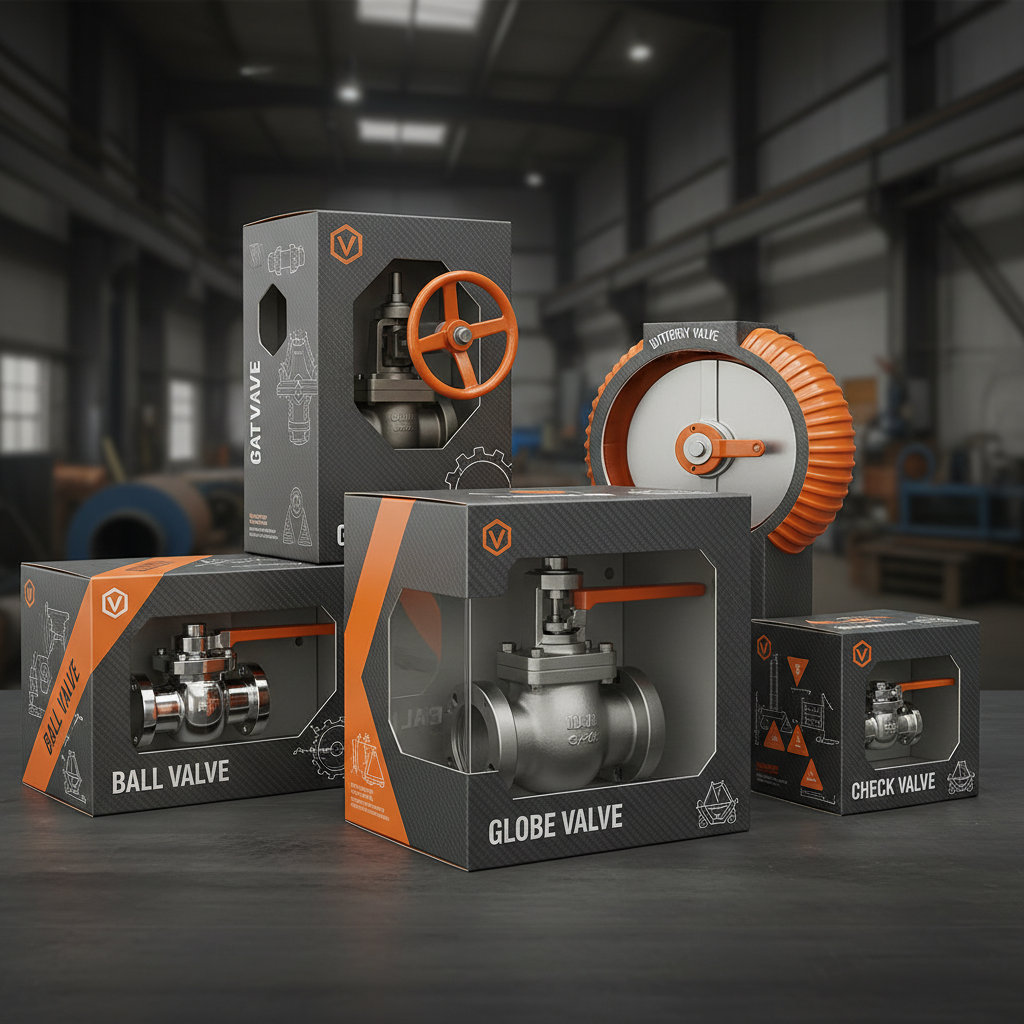
Ball valves are quarter-turn valves characterized by a hollow, perforated, and pivoting ball used to control flow. They are known for their simplicity, speed of operation, and tight shut-off capabilities. Commonly used in applications requiring on/off control, ball valves find applications in water supply, oil and gas, and chemical processing. They are relatively inexpensive and require minimal maintenance. Different materials like stainless steel, brass, and PVC are used to construct ball valves, depending on the fluid and temperature requirements.
Gate valves are linear motion valves used to start or stop flow. They consist of a gate that slides into the flow path to block or allow flow. Unlike ball valves, gate valves are not designed for throttling. They offer minimal flow restriction when fully open, making them efficient for applications where pressure drop needs to be minimized. Common applications include water and wastewater treatment, oil pipelines, and gas distribution. Thrive On Valves provides robust gate valves designed for reliable isolation.
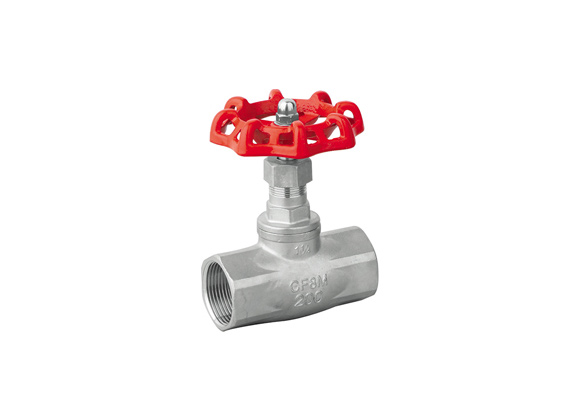
Globe valves are linear motion valves that regulate flow by closing against a seat. Their design allows for precise throttling and flow control. While they offer excellent control, they also introduce a higher pressure drop compared to gate or ball valves. Applications include steam control, chemical feed, and cooling water systems. The globe valve's design also makes it suitable for applications where frequent operation is required.
Key Characteristics: Globe valves excel in precise flow regulation, making them ideal for applications requiring accurate control, despite a higher pressure drop.
Butterfly valves are quarter-turn valves characterized by a disk rotating within the valve body. They are lightweight, compact, and relatively inexpensive. They are commonly used in large diameter pipelines for water, wastewater, and air handling systems. While not ideal for precise throttling, they provide good flow control and are easy to automate. The simplicity of the design contributes to their lower cost and reduced maintenance requirements.
Butterfly Valve Advantages:
• Lightweight and compact design
• Cost-effective solution for large diameters
• Easy to automate
Choosing the right valve depends heavily on the application. Here's a comparison to help you navigate the options:
Control valves are used to automatically regulate flow based on signals from a controller. They are critical components in process control systems, ensuring precise and stable operation. Applications include chemical plants, power generation, and HVAC systems. These valves often incorporate actuators and positioners for accurate control. Thrive On Valves offers a comprehensive selection of control valves to meet demanding process requirements.
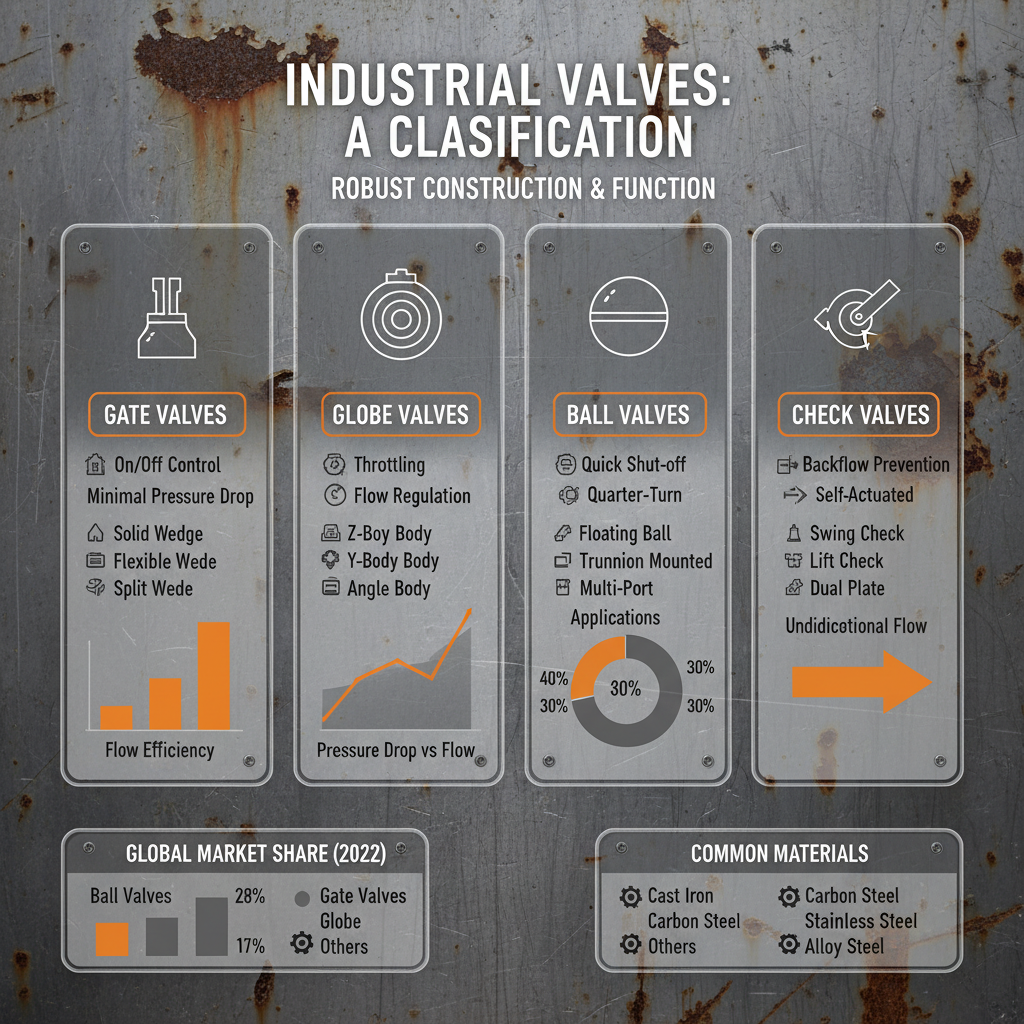
Choosing the right valve is critical for optimal performance and safety. Understanding the different types of valves – ball, gate, globe, butterfly, and control – and their respective strengths and weaknesses is essential. Thrive On Valves offers expert guidance and a wide range of high-quality valves to help you find the perfect solution for your needs. Don’t hesitate to contact us for assistance in selecting the right valve for your specific application.
Valves are manufactured from a wide range of materials depending on the application and the fluid being controlled. Common materials include cast iron, ductile iron, stainless steel (304, 316), brass, bronze, PVC, and CPVC. The choice of material is dictated by factors such as corrosion resistance, temperature, pressure, and cost. Stainless steel is often preferred for corrosive environments, while PVC is suitable for non-corrosive applications and lower temperatures. Proper material selection is critical for ensuring the longevity and reliability of the valve.
Determining the correct valve size requires considering several factors, including flow rate, pressure drop, and fluid viscosity. It's crucial to calculate the required valve size based on these parameters to ensure optimal performance and prevent issues like cavitation or excessive pressure loss. Valve manufacturers often provide sizing charts and tools to assist in this process. Consulting with a valve specialist, such as the team at Thrive On Valves, can also ensure accurate sizing.
A normally closed valve is closed by default and requires energy (e.g., pneumatic, electric) to open. This is the more common configuration for safety applications where flow needs to be actively initiated. A normally open valve is open by default and requires energy to close. This type is used where flow needs to be maintained without constant power input, but can be shut off quickly in an emergency. The choice between the two depends on the specific control requirements of the application.
Regular inspection and maintenance are essential for ensuring the reliable operation of valves. The frequency of inspection depends on the application and operating conditions. A visual inspection for leaks, corrosion, and damage should be performed regularly. Periodic testing and lubrication are also recommended. Following the manufacturer's maintenance guidelines is crucial. Preventive maintenance can significantly extend the lifespan of the valve and prevent costly downtime.
Related Products
 Call us on:
+86-311-86935302
+86-311-86935302
Call us on:
+86-311-86935302
+86-311-86935302
 Email Us:
info@thriveonvalve.com
Email Us:
info@thriveonvalve.com South of Huanmadian Village Town, Ningjin County, Xingtai, Hebei Province, China