Sep . 14, 2025 11:00
In the complex world of industrial fluid management, ensuring the purity and smooth flow of media is paramount for operational efficiency and equipment longevity. A critical component in achieving this is the industrial strainer. Specifically, the flanged y type strainer stands out as a robust and highly effective solution for protecting downstream equipment from debris and foreign particles. Its distinctive Y-shape design offers a large filtration area and minimizes pressure drop, making it a preferred choice across various demanding sectors. This article delves into the intricacies of this essential device, exploring its technical prowess, manufacturing excellence, diverse applications, and the competitive landscape.
The industrial filtration landscape is continually evolving, driven by stringent environmental regulations, increasing demand for process efficiency, and advancements in material science. Key trends influencing the development and deployment of solutions like the flanged y type strainer include:
The GID-1 DIN PN10 Flanged Y Type Strainer is engineered for optimal performance in diverse industrial applications. Its robust design and adherence to international standards ensure reliable filtration and protection for sensitive equipment. Below are the key technical specifications:
| Parameter | Specification |
|---|---|
| Product Name | GID-1 DIN PN10 Flanged Y Type Strainer |
| Type | Y-Type Strainer |
| End Connection | Flanged (DIN PN10) |
| Nominal Pressure | PN10 (10 Bar) |
| Nominal Diameter (DN) | DN15 - DN500 (1/2" - 20") |
| Body Material Options | Cast Iron (GG25 / EN-JL1040), Ductile Iron (GGG40 / EN-JS1030), Cast Steel (WCB / 1.0619), Stainless Steel (CF8 / 1.4308, CF8M / 1.4408) |
| Screen Material | Stainless Steel (SS304, SS316, SS316L) |
| Mesh Size | Standard 0.8mm to 6mm (customizable) |
| Operating Temperature | -10°C to +120°C (depending on material and gasket) |
| Applicable Media | Water, Oil, Gas, Steam, Chemicals |
| Design & Manufacturing Std. | DIN EN 12516, DIN 3202 F1 |
| Flange Standard | DIN EN 1092-1 Type 21 (PN10) |
| Inspection & Test Std. | DIN EN 12266-1 (Shell & Seat Test) |
The robust construction and adherence to DIN standards make this a reliable strainer y type flanged solution for European and international projects requiring precise fluid control and protection.
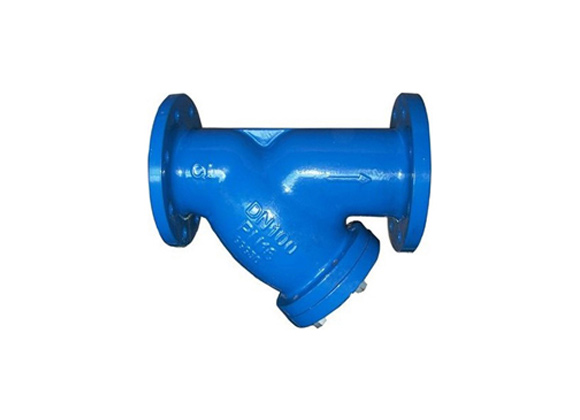
The creation of a high-quality y type flanged strainer involves a multi-stage process, meticulously controlled to ensure durability, performance, and adherence to international standards. This commitment to precision guarantees a product that delivers a long service life and exceptional protection.
This stringent manufacturing process, combined with adherence to international standards like ISO 9001 for quality management and material specifications from ANSI/ASME, DIN, and EN, guarantees a product with superior performance, reliability, and an impressive service life typically exceeding 15-20 years under normal operating conditions. Our target industries, including petrochemical, metallurgy, power generation, water supply & drainage, and HVAC, rely on this level of robust engineering.
The design of the flanged y strainer offers distinct technical advantages that contribute significantly to operational efficiency and system integrity:
These advantages underscore why the flanged wye strainer is a preferred choice for engineers seeking reliable, efficient, and long-lasting filtration solutions.
The versatility and robust design of the flanged y type strainer make it indispensable across a multitude of industrial sectors. Its primary function is to protect critical components like pumps, valves, flow meters, heat exchangers, and spray nozzles from potential damage caused by solid contaminants in the fluid stream.
In these demanding environments, the ability of a 4 flanged y strainer to effectively capture particulates while minimizing pressure drop and requiring low maintenance is a distinct advantage, leading to enhanced system reliability and reduced operational costs.
Selecting the right supplier for a flanged y type strainer is as critical as selecting the product itself. B2B decision-makers and engineers must evaluate vendors based on a comprehensive set of criteria to ensure long-term value, reliability, and support. Below is a comparative framework:
| Selection Criteria | High-Value Vendor (e.g., GID-1 Provider) | Standard Vendor |
|---|---|---|
| Certifications & Compliance | ISO 9001, CE, PED 2014/68/EU, Material Test Reports (MTRs) for every component, DIN/EN compliance. Full traceability. | Basic ISO certification, limited specific product certifications. Variable material documentation. |
| Material Quality & Sourcing | Strict procurement from approved, audited foundries/mills. Verification of chemical & mechanical properties. Offers exotic alloys. | Standard materials, less stringent sourcing controls, limited material options. |
| Manufacturing & QC Process | In-house casting/forging, CNC machining, 100% hydrostatic and pneumatic testing, NDT options. Detailed QC reports. | Outsourced manufacturing steps, standard testing (often batch-based), less detailed QC. |
| Customization Capabilities | Extensive customization for materials, mesh sizes, end connections (ANSI, JIS, BS), pressure ratings, special coatings. | Limited customization, primarily standard configurations. |
| Technical Support & After-sales | Dedicated engineering support, installation guidance, comprehensive warranty, readily available spare parts, prompt response. | Basic product support, limited spare parts availability, often slower response times. |
| Track Record & Experience | Years of industry experience, extensive project references, strong client testimonials from major industrial players. | Newer entrant or smaller portfolio, fewer high-profile references. |
Choosing a vendor that excels in these areas ensures not only the quality of the strainer flange type but also peace of mind throughout the project lifecycle. A reliable partner reduces total cost of ownership and mitigates operational risks.
While standard flanged y type strainer configurations serve many industrial needs, specialized applications often require tailor-made solutions. Our engineering team excels in developing customized filtration units that precisely match unique operational parameters and environmental challenges.
Our capability to deliver these tailored solutions ensures that even the most challenging fluid management requirements are met with precision and optimal performance, minimizing total cost of ownership for the project.
The practical application of flanged y type strainer in diverse industrial settings highlights its crucial role in maintaining operational integrity and efficiency.
A large municipal water treatment plant in Europe faced recurring issues with pump failures due to debris in raw water intake. They upgraded their pre-filtration system with several DN300 GID-1 DIN PN10 flanged y type strainers made of Ductile Iron with SS316 screens (2mm mesh). The installation significantly reduced pump cavitation and wear, extending pump service intervals by 40% and cutting maintenance costs by 25% within the first year. Plant engineers noted the ease of screen cleaning and robust construction as key benefits.
A specialty chemical manufacturer needed to filter highly corrosive solvents before they entered a reactor. Standard cast iron strainers failed prematurely. Our solution involved custom-fabricated DN80 y type strainer flanged end units from SS316L, equipped with fine mesh SS316L screens and PTFE gaskets. These strainers demonstrated exceptional resistance to the corrosive media, ensuring continuous operation and preventing costly contamination of the final product. The client praised the material expertise and customized design of the flanged wye strainer.
A thermal power plant encountered issues with scale and rust particles damaging critical valves and flow meters in their boiler feedwater line operating at PN16. They installed several DN200 strainer flanged units, specifically GID-1 type, in WCB carbon steel with SS304 screens, rated for PN16 pressure. The strainers effectively captured particulates, leading to a noticeable reduction in valve erosion and precise flow meter readings, contributing to improved boiler efficiency and reduced unscheduled downtime. The reliability of these strainer y type flanged devices was critical for sustained energy production.
Building trust with our B2B partners is at the core of our operations. We achieve this through transparent processes, stringent quality controls, and unwavering customer support for every flanged y type strainer we deliver.
Our manufacturing facilities are ISO 9001:2015 certified, ensuring a robust Quality Management System. Products comply with European Pressure Equipment Directive (PED 2014/68/EU) and relevant DIN, EN, and ASME standards. Each flanged y strainer undergoes comprehensive testing, including hydrostatic shell and seat tests, documented with traceable test certificates (e.g., EN 10204 3.1).
We understand the critical nature of project timelines. For standard GID-1 DIN PN10 flanged y type strainer sizes (DN50-DN300) in common materials like Ductile Iron, typical lead times range from 4-6 weeks. For customized orders or larger diameters, lead times will be confirmed upon inquiry, typically 8-12 weeks, with expedited options available for urgent requirements. Our efficient logistics network ensures timely and secure delivery globally.
We offer a standard 12-month warranty from the date of commissioning or 18 months from the date of shipment (whichever comes first) against manufacturing defects and material faults for all our strainer flange type products. Extended warranty options are available upon request for specific project requirements.
Our dedicated technical support team provides expert assistance from initial inquiry through installation and post-sales. We offer comprehensive documentation, troubleshooting guides, and readily available spare parts (screens, gaskets) to ensure the uninterrupted operation of your y type strainer flanged end. Our commitment extends throughout the product's entire service life.
A1: Its primary function is to mechanically remove unwanted solids from liquid, gas, or steam lines by means of a perforated or wire mesh straining element. This protects downstream equipment such as pumps, meters, valves, and traps from damage or blockages, thus ensuring operational integrity and efficiency.
A2: The cleaning frequency depends on the cleanliness of the fluid, the mesh size, and the amount of debris present. Monitoring the differential pressure across the strainer is the most effective method; a significant increase indicates a clogged screen and the need for cleaning. Some applications may require monthly, quarterly, or even yearly cleaning, while others with very dirty media might need more frequent attention.
A3: Yes, a Y-strainer can be installed in both horizontal and vertical pipelines. When installed vertically, the strainer leg (where the screen is housed) must always point downwards to allow gravity to assist in collecting debris and prevent it from being swept back into the main flow.
A4: For corrosive applications, stainless steel (SS316, SS316L) is generally recommended due to its excellent corrosion resistance. For extremely aggressive media, higher-grade alloys such as Duplex Stainless Steel, Hastelloy, or Titanium may be required. Always consult material compatibility charts or our engineering team for specific chemical resistance guidance.
A5: The main difference lies in their shape and application. Y-strainers are Y-shaped, allowing for installation in confined spaces and offer lower pressure drop. They are suitable for both liquid and gas/steam applications. Basket strainers, typically used in horizontal pipelines, have a larger dirt-holding capacity and are preferred for applications with higher concentrations of solids or where frequent cleaning is anticipated, such as in water intake lines.
The flanged y type strainer remains an indispensable component in industrial fluid handling systems. Its robust construction, efficient particulate removal capabilities, and versatile application across diverse industries underscore its enduring value. From protecting critical pumps in petrochemical plants to safeguarding sensitive instruments in power generation and ensuring water purity in treatment facilities, the GID-1 DIN PN10 flanged y type strainer, with its adherence to stringent standards and customizable options, offers a reliable, long-term solution. By choosing a high-quality product and a trusted vendor, industries can significantly enhance operational efficiency, minimize maintenance costs, and extend the lifespan of valuable downstream equipment, driving sustainable and profitable operations.
Related Products
 Call us on:
+86-311-86935302
+86-311-86935302
Call us on:
+86-311-86935302
+86-311-86935302
 Email Us:
info@thriveonvalve.com
Email Us:
info@thriveonvalve.com South of Huanmadian Village Town, Ningjin County, Xingtai, Hebei Province, China