Sep . 30, 2025 15:50
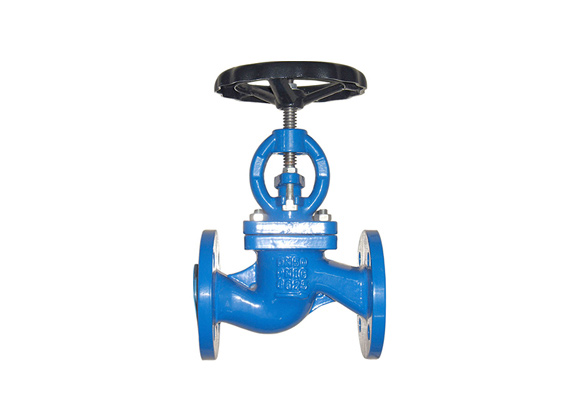
If you work in water, steam, or chemical utilities, you already live with flanged globe valves every day. The JMI-D1 (DIN 3356, PN10/16) is one of those practical, “install it and move on” metal-seated designs coming out of Ningjin County, Xingtai, Hebei — yes, that cluster just south of Huanmadian Village Town where half the town seems to machine valve bodies before breakfast. I’ve seen plenty of these units on municipal retrofits; they’re not flashy, but they’re steady.
Three currents I keep hearing from plant engineers: tighter fugitive-emissions expectations, more standardized actuation, and better lifecycle documentation. In fact, EN and PED conformity is no longer a “nice to have” for flanged globe valves; it’s table stakes. Digital torque recording during test and simple retrofit to gear/electric actuators are becoming the norm, even in PN16 water duty.
| Design standard | DIN 3356 (globe valves), face-to-face ≈ DIN 3202-F1; flanges per EN 1092-1 PN10/16 |
| Pressure rating | PN10 / PN16 |
| Sizes | DN15–DN300 (common), larger on request |
| Body/Bonnet | Cast iron (EN-GJL-250) or carbon steel options depending on service |
| Trim | Metal seat; stainless or hard-faced disc/seat for erosion control |
| Temperature window | ≈ −10 to 200°C with cast iron; up to around 350°C with carbon-steel builds (service dependent) |
| Leakage class | EN 12266-1, Rate A seat tightness in new-condition tests |
| Tests | Shell ≈ 1.5×PN; seat ≈ 1.1×PN (documentation available) |
| Actuation | Handwheel standard; gear/electric/pneumatic via yoke mount (ISO 5210 patterns common) |
| Service life | Around 20,000 cycles in clean-water duty; real-world use may vary with media |
Materials are cast and machined locally in Xingtai, then seat rings are finish-lapped; I’ve watched operators do the blueing checks by habit. Hard-facing (Stellite or equivalent) is offered for sand-laden water and mild slurry. Hydrostatic and seat tests follow EN 12266-1; traceability packs usually include heat numbers, PMI snapshots, and torque logs. Coatings are epoxy for water, or zinc-rich primers when customers plan to topcoat onsite. To be honest, the QA binder is nerdy—but useful during audits.
| Vendor | Origin | Lead time | Certs | Price index | Notes |
|---|---|---|---|---|---|
| Thrive (JMI-D1) | Ningjin, Xingtai, China | ≈ 3–6 weeks | ISO 9001, PED declaration, EN tests | $ (value) | Good for municipal water, budget-sensitive projects |
| EU Brand A | EU | 6–10 weeks | PED/CE, ATEX options | $$$ | Extensive documentation; premium trims |
| Local distributor | Regional | Stock/2–4 weeks | Varies | $$ | Fast replacements; brand mix |
Trim hard-facing, gear operators, positioners on electric actuators, graphite packing for higher temps, NACE-like material checks on request, and special coatings. I guess the most requested tweak lately is stem extension for buried service in district heating pits.
• Water utility, Central Europe: swapped old F1 globes with JMI-D1 PN16 to keep face-to-face constant; commissioning crew said throttling was “predictable” and torque low. After 18 months, leakage tests still hit Rate A.
• Food plant steam loop, SEA: upgraded to hard-faced trim; maintenance lead reported seat wear “much slower than last batch,” though insulation gaps raised external corrosion concerns (fixed later).
Compliance snapshot: EN 1092-1 flanges, DIN 3356 design, EN 12266-1 testing; PED 2014/68/EU declarations available. Request the test report with your heat numbers—saves time in audits.
Related Products
 Call us on:
+86-311-86935302
+86-311-86935302
Call us on:
+86-311-86935302
+86-311-86935302
 Email Us:
info@thriveonvalve.com
Email Us:
info@thriveonvalve.com South of Huanmadian Village Town, Ningjin County, Xingtai, Hebei Province, China