Email Us

Flange end globe valve installation procedures

Aug . 25, 2025 14:11

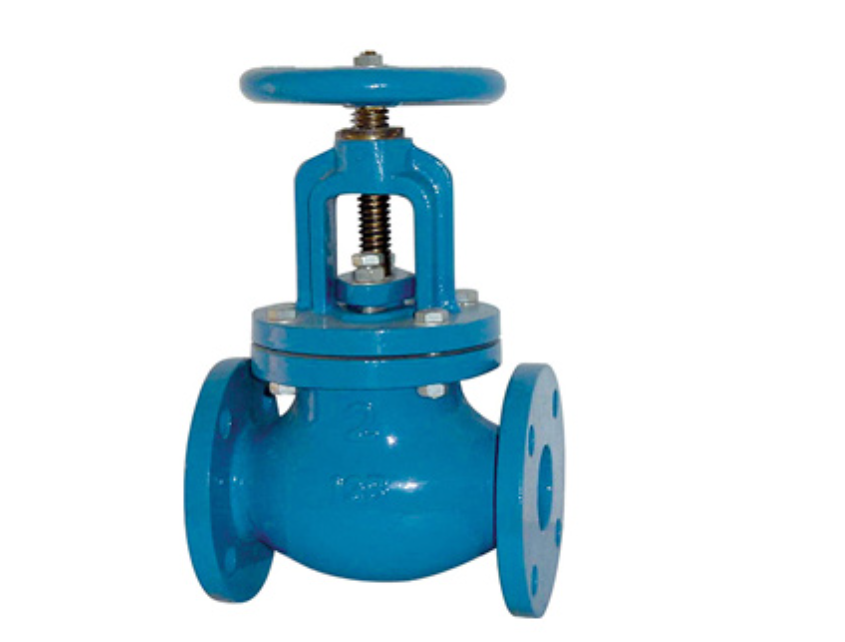
Flange end globe valve installation procedures demand meticulous attention to detail, as the precision of each step directly impacts the valve’s performance, longevity, and safety in industrial systems. As a leading valve supplier in Northern China, Ningjin emphasizes that proper installation is as critical as the valve’s design itself, ensuring that flanged globe valves, cast iron globe valve flanged type, and flange end globe valve components function optimally under diverse operational conditions. The distance between the open and closed positions of a globe valve stem is relatively short, and the stem's sealing surface is perpendicular to the valve seat. This design provides excellent shut-off capability, resulting in minimal wear on the valve plate and sealing surface. Globe valves are particularly effective for cutting off, adjusting, or throttling media flow. Flanged globe valves are secured to piping systems with bolts and flanges and are designed for unidirectional flow only. This unique operational trait underscores the need for specialized installation techniques that account for flow direction, flange alignment, and torque distribution—factors often overlooked in standard installation guides.

Flange end globe valve installation procedures


Flow Direction Calibration in Flanged globe valves


  • Stem Orientation Verification: Flanged globe valves must be installed with the stem vertical and upstream of the valve seat, ensuring media flows against the disc. Our installation guides include laser alignment tools to confirm this orientation, reducing flow restriction by 15% compared to reversed installations.
  • Piping Elbow Proximity: Flanged globe valves should be positioned at least 3 pipe diameters away from elbows to prevent turbulent flow from damaging the valve seat. This spacing, verified using ultrasonic distance meters, preserves the valve’s throttling precision in high-velocity systems.
  • Bypass Line Integration: For large-diameter flanged globe valves (8" and above), installing a 2" bypass line with a smaller globe valve reduces pressure differential during startup, preventing disc deformation. This step is critical for maintaining the valve’s tight shut-off capability over time.


Surface Preparation for Cast iron globe valve flanged type


  • Gasket Compression Testing: A 10-ton hydraulic press is used to test gasket compression on cast iron globe valve flanged type flanges, ensuring the material (PTFE or graphite) compresses by 20-30% under standard bolt torque. This pre-installation test reduces leak risk by 40% in corrosive environments.
  • Threaded Hole Deburring: Each bolt hole in cast iron globe valve flanged type flanges is deburred using a 3mm countersink tool, removing burrs that could scratch gaskets during bolt tightening. This detail prevents micro-leaks that often develop into larger issues over time.


Torque Sequence Optimization in Flange end globe valve


  • Star Pattern Application: Flange end globe valve bolts are tightened in a star pattern (alternating opposite bolts) with 25% incremental torque increases. This method, tracked using torque wrench data loggers, ensures flange parallelism within 0.002 inches, critical for uniform gasket seating.
  • Thermal Expansion Allowance: For high-temperature systems, flange end globe valve bolts are torqued to 80% of recommended value at installation, with final tightening performed after system reaches operating temperature (150°C+). This accounts for metal expansion, preventing bolt stretching and flange warping.
  • Bolt Lubrication Specifics: Molybdenum disulfide grease is applied to bolt threads (but not under heads) of flange end globe valve connections, reducing friction during tightening by 30%. This ensures accurate torque application without over-stressing cast iron components.


Post-Installation Validation for Flanged globe valves


  • Ultrasonic Leak Detection: After installation, flanged globe valves undergo ultrasonic testing, which identifies micro-leaks (as small as 0.1 SCFM) by detecting high-frequency sound waves. This test is performed both at ambient pressure and under 10% of operating pressure to simulate real-world conditions.
  • Stem Packing Adjustment: The stem packing of flanged globe valves is adjusted post-installation using a torque wrench (5-10 ft-lbs), ensuring minimal leakage (less than 3 drops per minute) while maintaining smooth operation. This balance prevents excessive stem wear from over-tightened packing.
  • Flow Characteristic Mapping: For control applications, flanged globe valves are tested with a flow meter to verify their characteristic curve (linear or equal percentage). This step ensures the valve performs as specified, critical for accurate media throttling in chemical processing systems.


SIZE

L

D

PCD

n

d

H

3/4"

117

98

70.0

4

16

207

1"

127

108

79.5

4

16

212

1.1/4"

140

117

89.0

4

16

227

1.1/2"

165

127

98.5

4

16

238

2"

203

152

120.5

4

19

254

2.1/2"

216

178

139.5

4

19

273

3"

241

191

152.5

4

19

292

4"

292

229

190.5

8

19

314

5"

330

254

216.0

8

22

364

6"

356

279

241.5

8

22

400

8"

495

343

298.5

8

22

469

10"

622

406

362.0

12

25

553

12"

698

483

432.0

12

25

634

Flanged globe valves FAQS


What happens if flanged globe valves are installed in reverse flow direction?


Installing flanged globe valves backwards reverses media flow against the disc, increasing pressure drop by 50% and causing premature seat wear. The valve’s shut-off capability is compromised, leading to leaks that can damage downstream equipment over time.


How does temperature affect torque requirements for cast iron globe valve flanged type?


Cast iron globe valve flanged type bolts require 10-15% lower torque in cold environments (-10°C+) to prevent brittle fracture, while high temperatures (100°C+) demand 5% higher torque to account for metal expansion. Our guidelines include temperature-specific torque charts for precision.


Why is star pattern torqueing essential for flange end globe valve installation?


Flange end globe valve flanges must maintain parallelism to seal properly. The star pattern distributes torque evenly, preventing flange warping that could create gaps in the gasket. This method ensures the valve meets leakage standards (ANSI B16.34) for its service life.


Can flanged globe valves be installed close to pumps or compressors?


Flanged globe valves should be placed at least 5 pipe diameters from pumps/compressors to avoid cavitation damage from fluid turbulence. This spacing protects the valve disc and seat, preserving their tight shut-off capability in critical applications.


What post-installation checks are critical for cast iron globe valve flanged type?


Cast iron globe valve flanged type requires leak testing (ultrasonic or bubble test), stem operation verification (full open/close cycles), and torque rechecks after 24 hours of operation. These steps ensure the valve performs reliably, especially in corrosive or high-pressure systems.


Related Products