Mar . 17, 2026 03:15
Valves are essential components in countless industrial processes, controlling the flow of liquids, gases, and slurries. Selecting the right valve for a specific application is critical for efficiency, safety, and longevity. This article will delve into the diverse world of industrial valves, exploring the most common types, their applications, and key considerations for choosing the optimal solution. Understanding the nuances of each type can significantly improve operational performance. Explore our range of high-quality valves at Thrive on Valves.
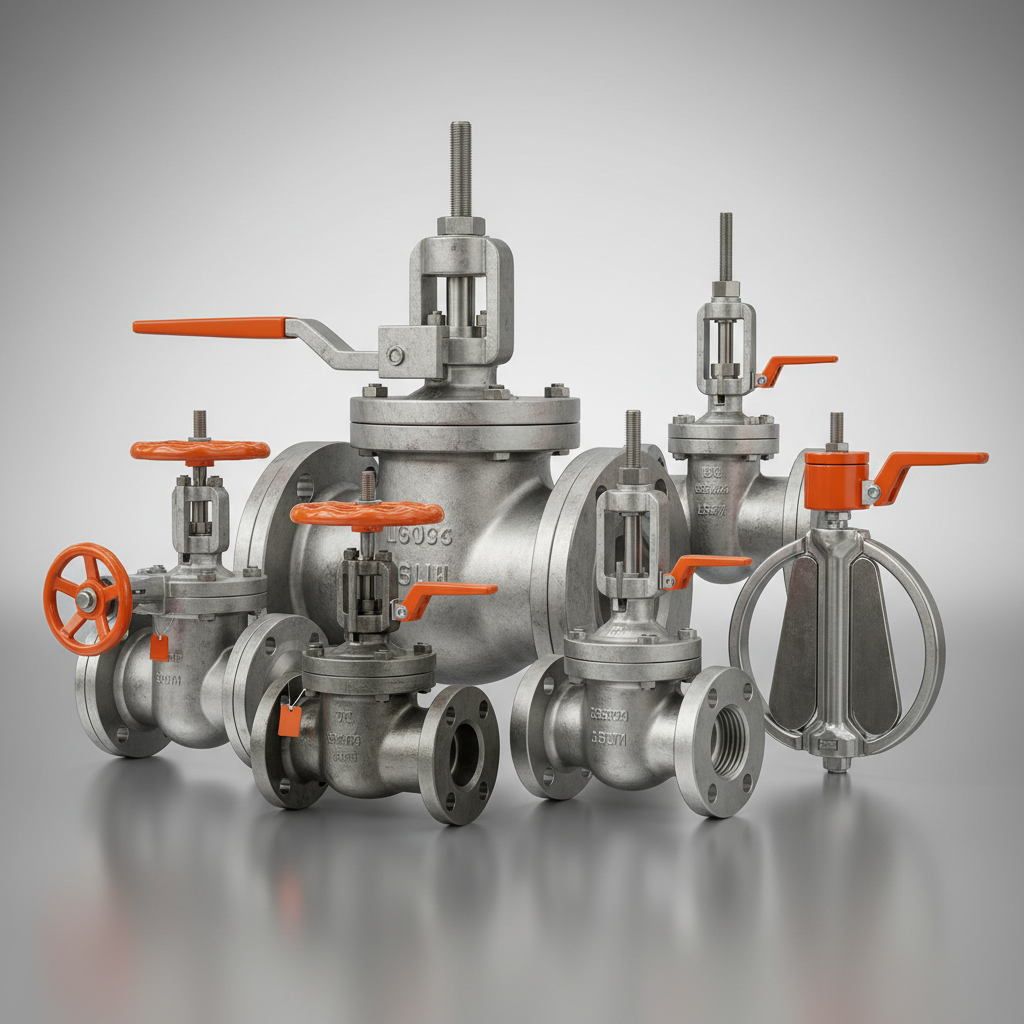
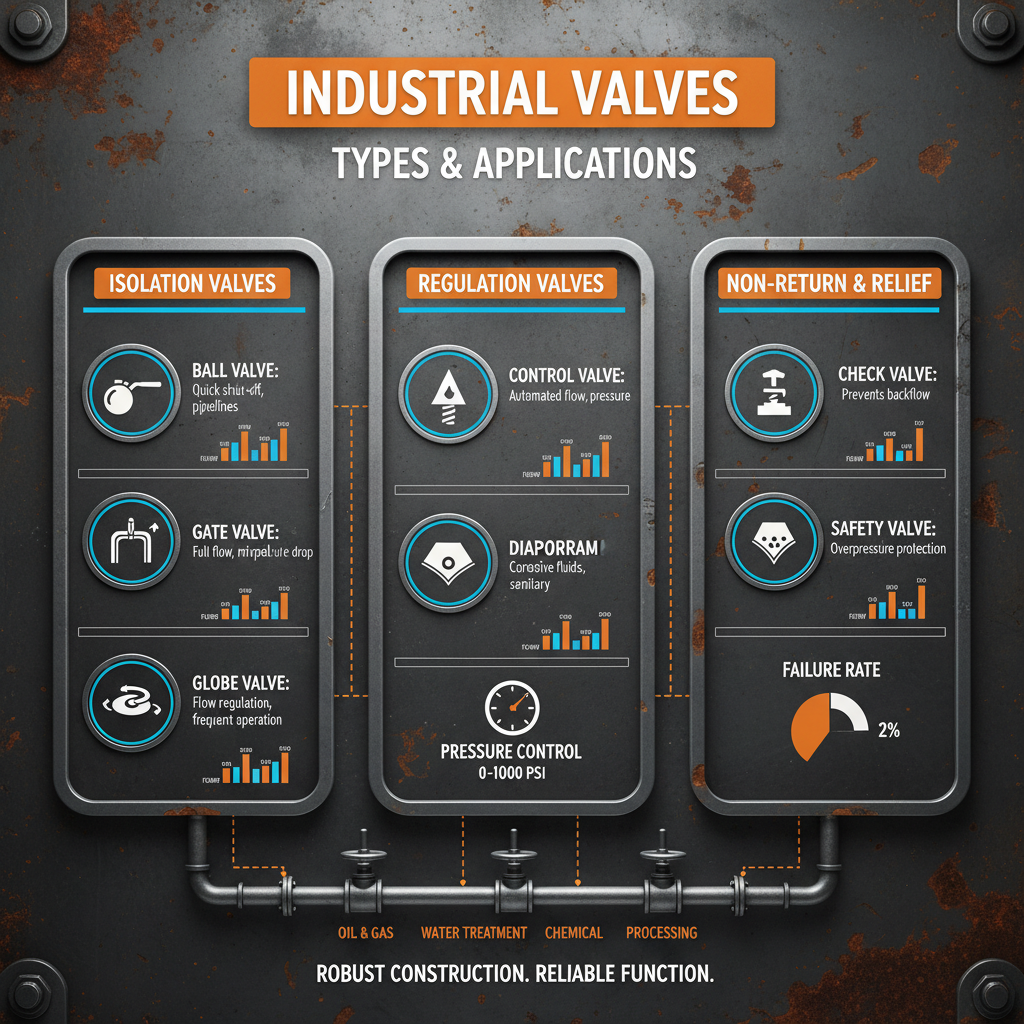
Gate valves are primarily designed for fully open or fully closed service – they're not intended for throttling or regulating flow. Their design features a gate that slides into and out of the flow path. This offers minimal obstruction to flow when fully open, resulting in low pressure drop. They are often used in applications where a straight-through flow path is needed, such as in pipelines and water treatment plants. They are relatively inexpensive but can be slow to operate. Proper maintenance is key to ensuring a tight shut-off. Learn more about gate valve solutions here.
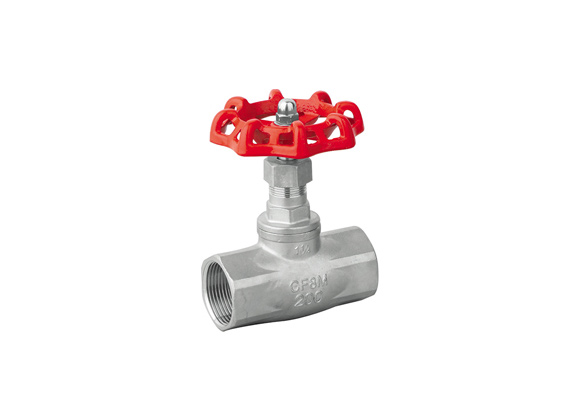
Unlike gate valves, globe valves excel at throttling and regulating flow. They utilize a disc that moves perpendicular to the flow path, creating variable restriction. This makes them ideal for applications requiring precise flow control, such as chemical processing and steam regulation. However, the constricted flow path leads to a higher pressure drop compared to gate valves. Globe valves are also more prone to cavitation if not sized and operated correctly. See our selection of globe valves for diverse needs.
Key Takeaway: Globe valves offer superior flow control at the expense of higher pressure drop, making them suitable for throttling applications, while gate valves prioritize straight-through flow with minimal obstruction.
Ball valves are known for their quick, quarter-turn operation, making them ideal for applications requiring rapid shut-off. They utilize a hollow, pivoting ball with a bore through it; when aligned with the flow path, flow is allowed, and when turned 90 degrees, the bore is perpendicular to the flow, stopping it. They are versatile and can handle a wide range of fluids and pressures. Common applications include water, oil, gas, and even corrosive liquids. Browse our catalog for ball valve options.
Ball Valve Advantages:
• Quick operation (quarter-turn)
• Tight shut-off
• Versatile for various fluids
• Relatively low cost
Butterfly valves are characterized by a disc that rotates within the valve body. They are lightweight, compact, and relatively inexpensive, making them a popular choice for large-diameter pipelines. While they offer good flow control, they typically have a higher pressure drop than gate valves. They are commonly used in water treatment, HVAC systems, and fire protection. Find the right butterfly valve for your application at Thrive on Valves.
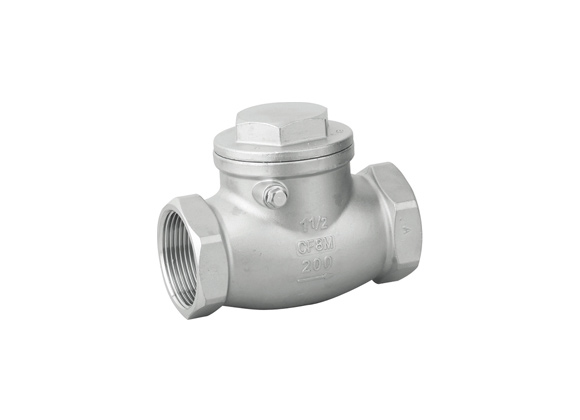
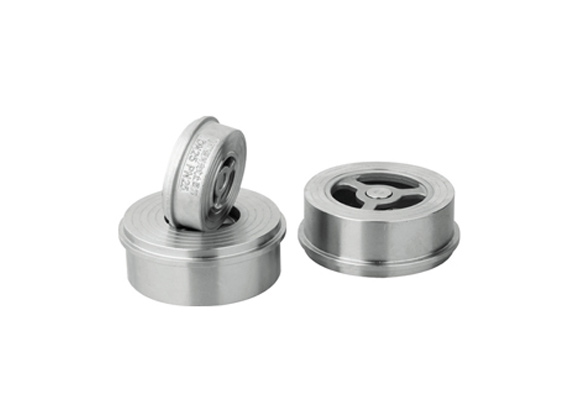
Check valves are designed to allow flow in only one direction, preventing backflow. They operate automatically, without manual intervention. Different designs, such as swing, lift, and ball check valves, cater to various applications. They are crucial for protecting pumps, compressors, and other sensitive equipment from damage caused by reverse flow. Find a check valve to suit your needs here.
Selecting the correct valve involves considering several critical factors: fluid type, pressure, temperature, flow rate, and material compatibility. The valve material must be compatible with the fluid to prevent corrosion and ensure longevity. Pressure and temperature ratings must exceed the maximum operating conditions. Proper sizing is essential to avoid cavitation, erosion, and excessive pressure drop. Understanding these factors and consulting with valve specialists will ensure optimal performance and safety. Contact our experts for assistance.
Understanding the characteristics of different valve types is paramount to efficient and safe industrial operations. From the simple on/off functionality of gate valves to the precise control offered by globe valves, each type plays a specific role. Thrive on Valves provides a comprehensive selection of high-quality valves to meet your diverse requirements. Investing in the right valves translates to improved process performance, reduced downtime, and enhanced safety.
Gate valves are designed primarily for on/off service with minimal flow restriction, making them suitable for isolating sections of a pipeline. They operate slowly, opening and closing by lifting a gate out of the flow path. Ball valves, on the other hand, provide quick quarter-turn operation and tight shut-off. They are more versatile and can be used for both on/off and limited throttling applications. Ball valves generally have a lower pressure drop than partially open gate valves but are often more expensive.
Valve material selection is crucial for preventing corrosion, erosion, and contamination. Consider the fluid being handled – is it corrosive, abrasive, or sensitive to contamination? Common materials include stainless steel, carbon steel, brass, and plastic. Stainless steel is highly resistant to corrosion and is suitable for a wide range of applications. Carbon steel is often used for water and oil applications, while brass is preferred for non-corrosive fluids. Plastic valves are ideal for corrosive fluids but may have lower pressure and temperature ratings.
Cavitation occurs when a rapid pressure drop within a valve creates vapor bubbles that collapse, causing noise, vibration, and damage to the valve internals. It's often associated with globe valves and partially open valves. To prevent cavitation, ensure the valve is properly sized for the flow rate, avoid excessive pressure drops, and select a valve design that minimizes pressure recovery. Regular maintenance and inspection can also help identify and address potential cavitation issues.
Industrial valves should be replaced when they exhibit signs of wear, corrosion, leakage, or damage. Regular inspection is critical. If a valve is difficult to operate, fails to shut off completely, or shows visible signs of deterioration, it should be replaced. Following the manufacturer’s recommended maintenance schedule and replacement guidelines is also important. Ignoring these signs can lead to equipment failure, process disruptions, and safety hazards.
Related Products
 Call us on:
+86-311-86935302
+86-311-86935302
Call us on:
+86-311-86935302
+86-311-86935302
 Email Us:
info@thriveonvalve.com
Email Us:
info@thriveonvalve.com South of Huanmadian Village Town, Ningjin County, Xingtai, Hebei Province, China