Mar . 14, 2026 03:16
The chemical industry relies heavily on the safe and efficient transfer of fluids, gases, and slurries. Valves are essential components in these processes, controlling flow and pressure across a diverse range of applications. Selecting the right type of valve is crucial for maintaining process integrity, preventing leaks, and ensuring operational safety. This article will explore the different types of valves commonly used in the chemical industry, detailing their functionalities, applications, and key considerations for selection. Understanding these variations will enable informed decisions for optimal performance and reliability.
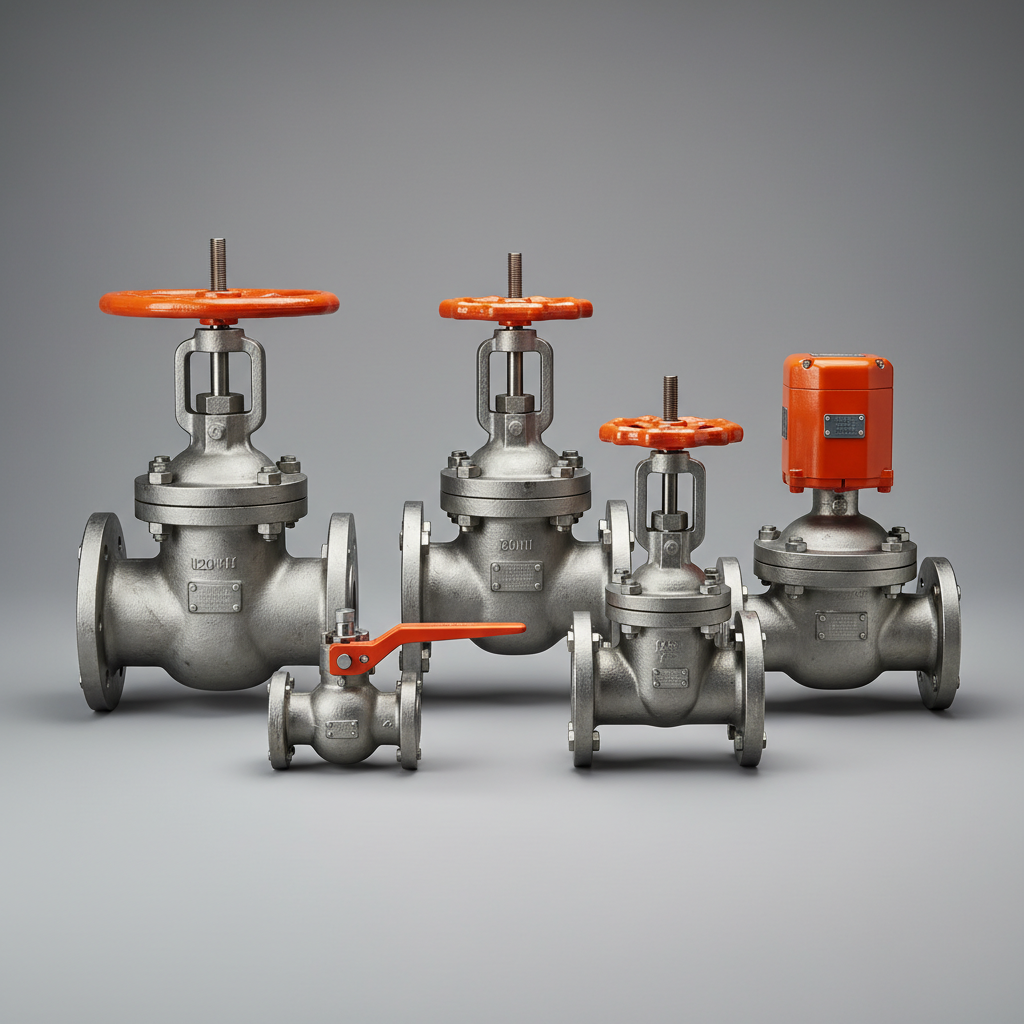
Ball valves are a popular choice in the chemical industry due to their simple design, reliable sealing, and quick quarter-turn operation. They utilize a hollow, perforated, and pivoting ball to control flow. When the ball's hole is aligned with the valve body, flow occurs; rotating the ball 90 degrees closes the valve. This makes them ideal for on/off applications where a tight shut-off is required. They are commonly used with a variety of fluids, including corrosive chemicals and viscous liquids. Thriveon Valves provides a comprehensive range of ball valves designed for chemical processing.
Gate valves are primarily designed for fully open or fully closed service and are not typically used for throttling. They feature a gate that slides into the flow path to block or allow passage. Their straight-through flow path results in minimal pressure drop when fully open, making them efficient for applications where maximizing flow is crucial. However, they are slower to operate than ball valves and are not suitable for frequent cycling. They are often utilized in larger diameter pipelines for applications like water and wastewater treatment within chemical facilities.
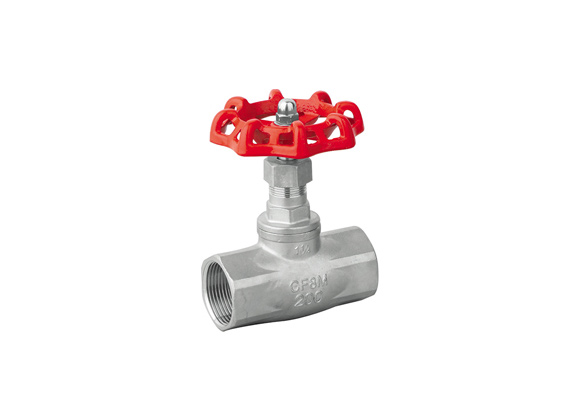
Globe valves excel at regulating flow. Their design incorporates a disc that moves perpendicular to the flow path, creating a variable restriction. This allows for precise throttling and control of fluid flow rates. However, this design also introduces a significant pressure drop, making them less suitable for applications where minimizing pressure loss is critical. They are often used in applications where frequent adjustments to flow are necessary, such as controlling feed rates in chemical reactors.
Butterfly valves are lightweight and relatively inexpensive, making them a popular choice for large-diameter pipelines. They use a disc that rotates within the valve body to control flow. They are quick to operate and provide good throttling capabilities, but may not offer the same level of tight shut-off as ball or gate valves. They are frequently used in water treatment, slurry applications, and as control valves in less critical processes.
Understanding the key differences between these valve types is essential for selecting the optimal solution for a specific chemical process. Here’s a comparison table:
Beyond the common types, certain chemical processes require specialized valves. These include:
Choosing the appropriate valve type is crucial for optimizing performance, ensuring safety, and minimizing downtime in chemical processing. Factors such as fluid compatibility, pressure requirements, flow control needs, and cost considerations all play a role in the decision-making process. Thriveon Valves offers a wide selection of high-quality valves and expert guidance to help you find the perfect solution for your specific application.
Valves used in the chemical industry are constructed from a variety of materials to withstand corrosive environments and ensure compatibility with different fluids. Common materials include stainless steel (304, 316, 316L), alloys such as Hastelloy and Monel, plastics like PTFE (Teflon) and PVC, and even ceramics for highly specialized applications. The specific material selected depends on the chemical composition of the fluid, temperature, pressure, and abrasion resistance requirements. Thriveon Valves uses only high quality materials to guarantee a robust and safe product.
Valve maintenance is critically important in a chemical plant. Regular inspection, lubrication, and replacement of worn parts are essential to prevent leaks, failures, and potential safety hazards. A preventative maintenance program can significantly reduce downtime and extend the lifespan of valves. Issues like corrosion, erosion, and gasket degradation should be addressed promptly. Proper record-keeping of maintenance activities is also crucial for tracking valve performance and identifying potential problems before they escalate.
When purchasing valves for chemical applications, look for certifications that demonstrate compliance with industry standards. Common certifications include ISO 9001 (quality management), CE marking (European safety standards), and material test reports (MTRs) verifying the chemical composition of the valve materials. Depending on the application, additional certifications may be required, such as those related to fire safety or hazardous location environments. Thriveon Valves provides full certification documentation with all of its products.
Automation plays a significant role in modern chemical valve control. Automated valves, often controlled by programmable logic controllers (PLCs) or distributed control systems (DCS), allow for precise and reliable control of flow rates, pressures, and temperatures. Automation improves efficiency, reduces human error, and enhances safety by enabling remote operation and monitoring. Automated valves can also be integrated with other process equipment for optimized performance and data analysis.
Related Products
 Call us on:
+86-311-86935302
+86-311-86935302
Call us on:
+86-311-86935302
+86-311-86935302
 Email Us:
info@thriveonvalve.com
Email Us:
info@thriveonvalve.com South of Huanmadian Village Town, Ningjin County, Xingtai, Hebei Province, China