Mar . 12, 2026 03:17
Valves are essential components in any piping system, controlling the flow of fluids and gases. Selecting the right valve for a specific application is crucial for ensuring efficient and safe operation. There's a wide array of valve types available, each designed for different purposes and operating conditions. This article will explore some of the most common types of valves used in piping, their applications, and key features. Understanding these differences will help you make informed decisions when designing or maintaining a piping system.
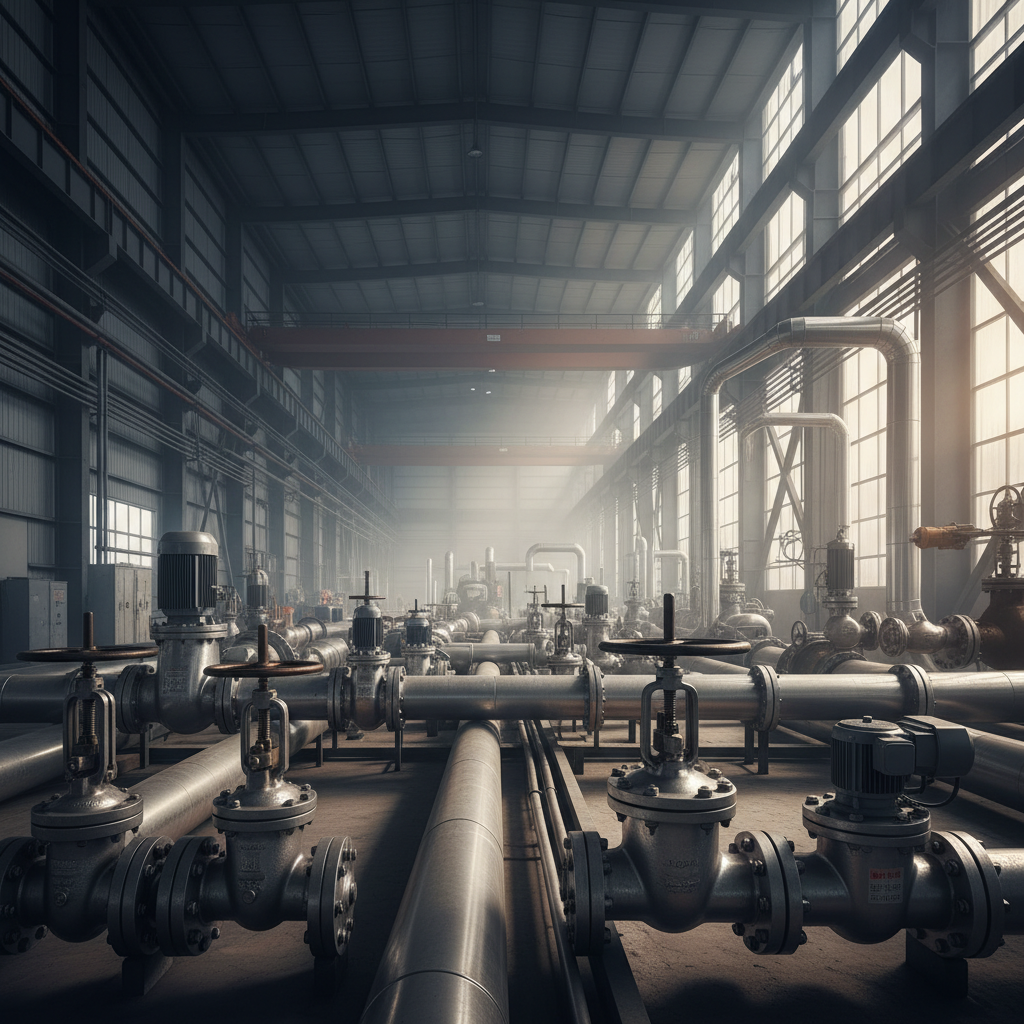
Gate valves are primarily designed for on/off service, meaning they are fully open or fully closed. They are not suitable for throttling or regulating flow because partially open gate valves can experience erosion and vibration. These valves utilize a gate that slides into the flow path to stop the fluid. They are commonly used in applications where minimal pressure drop is desired when the valve is fully open. Gate valves are frequently found in water, oil, and gas pipelines, offering reliable isolation when needed. The Thriveon Valves offers a wide selection of gate valves to suit your needs.
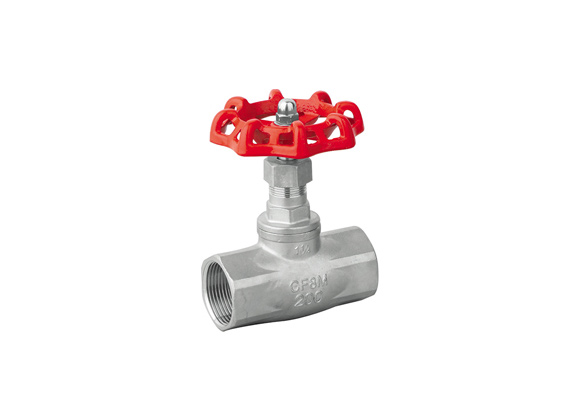
Unlike gate valves, globe valves excel at throttling and regulating flow. Their design incorporates a disc that moves perpendicular to the flow path, allowing precise control over the fluid stream. While this makes them ideal for applications requiring flow modulation, it also introduces a higher pressure drop compared to gate valves. Globe valves are frequently used in chemical processing, steam control, and applications where precise flow control is critical. They are readily available from a trusted provider like Thriveon Valves.
Ball valves are known for their quick quarter-turn operation, providing fast shut-off capabilities. They use a hollow, perforated, and pivoting ball to control flow. When the ball's hole aligns with the pipe, flow occurs; rotating the ball 90 degrees closes the valve. This simplicity makes them reliable and easy to operate. They are commonly used in a wide range of applications, including water, gas, and oil systems.
Key Highlights: Ball valves provide quick quarter-turn operation, ensuring fast and reliable shut-off.
Butterfly valves are characterized by a rotating disc within the valve body. They are lightweight and compact, making them suitable for large-diameter pipes and low-pressure applications. They offer good flow control and are relatively inexpensive. Common uses include water treatment, fire protection, and HVAC systems. The simplicity of their design combined with their cost-effectiveness makes them a popular choice for many industrial applications.
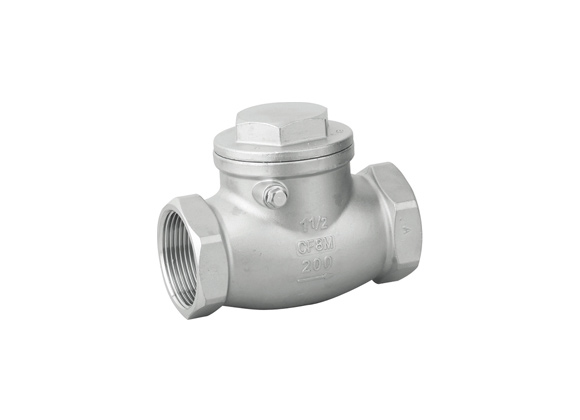
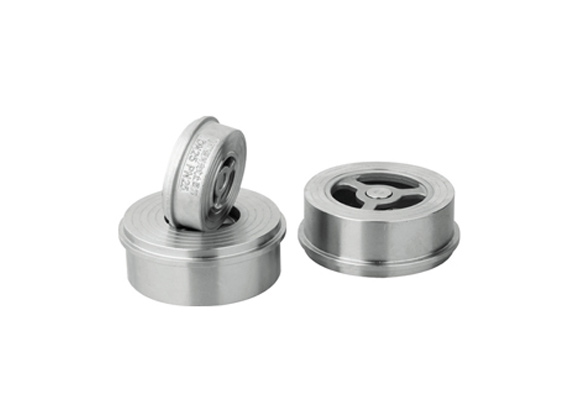
Check valves are designed to prevent backflow in a piping system. They automatically allow fluid to flow in one direction while blocking flow in the opposite direction. These valves are crucial for protecting pumps, compressors, and other sensitive equipment. They are often used in wastewater treatment, irrigation systems, and pumping stations. They operate passively, relying on the pressure of the fluid to open and close the valve.
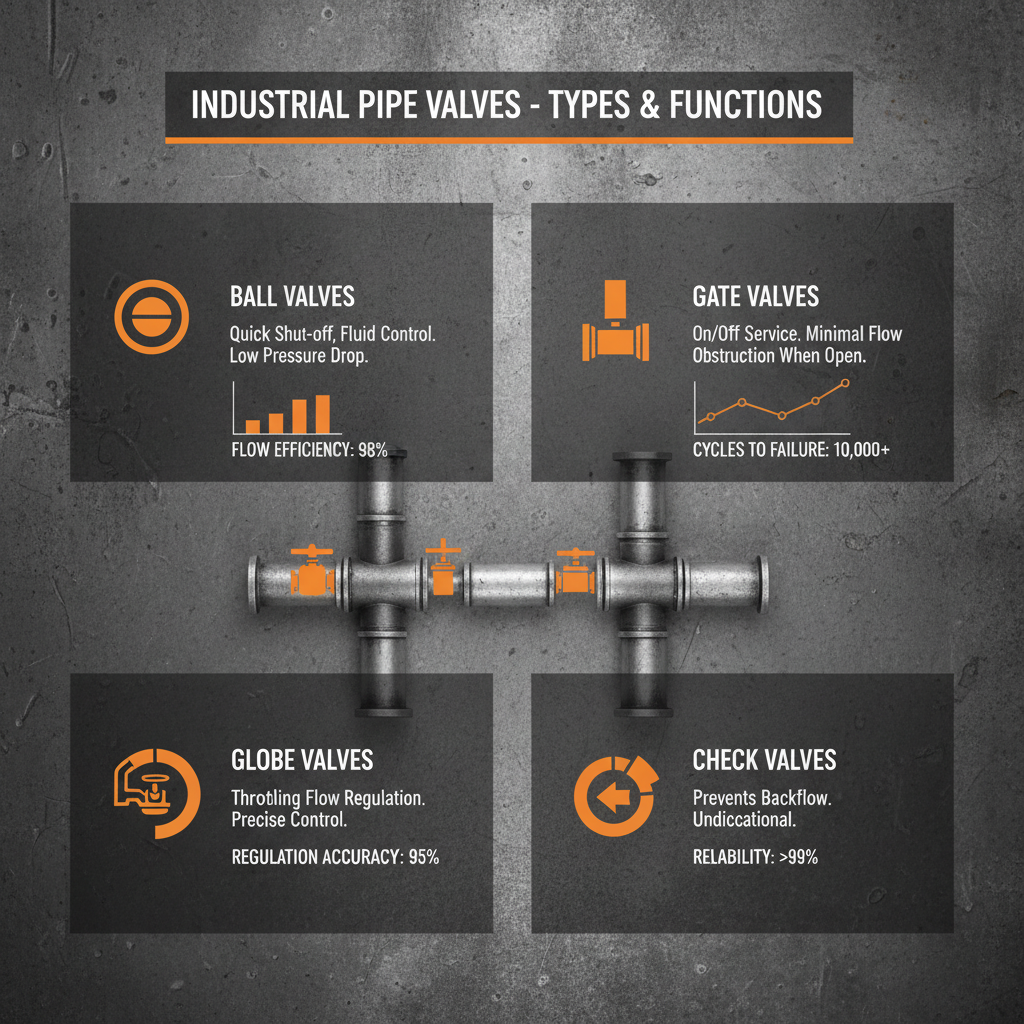
Selecting the correct valve type is paramount for the efficiency and safety of any piping system. Each type, from gate and globe valves to ball and butterfly valves, has unique characteristics suited to specific applications. Thriveon Valves offers a comprehensive range of high-quality valves to meet your needs. Careful consideration of flow requirements, pressure conditions, and fluid type will ensure optimal performance and long-term reliability.
Gate valves are designed primarily for on/off service, providing minimal obstruction to flow when fully open. They aren’t suitable for throttling due to potential erosion. Globe valves, however, excel at throttling and regulating flow, offering precise control but with a higher pressure drop. Gate valves are best for infrequent operation where full flow is needed, while globe valves are ideal for applications requiring continuous flow adjustment.
The fluid being handled is the most crucial factor. Corrosive fluids require materials like stainless steel, Teflon, or specialized alloys. Temperature also plays a significant role, as some materials become brittle at low temperatures or lose strength at high temperatures. Pressure requirements are another consideration, as higher pressures necessitate stronger materials. Finally, cost and availability should be factored into the decision-making process.
Water hammer occurs when a sudden change in flow velocity causes a pressure surge. Check valves prevent this by allowing flow in only one direction. If a pump shuts off, the check valve immediately closes, preventing the backflow of fluid and minimizing the pressure surge. This protection is essential for safeguarding piping systems and equipment from damage.
While butterfly valves are versatile, they are generally not the best choice for extremely high-pressure applications. While some high-performance butterfly valves can handle moderate high pressures, other valve types like gate or ball valves are typically preferred for critical, high-pressure systems due to their superior sealing capabilities.
Related Products
 Call us on:
+86-311-86935302
+86-311-86935302
Call us on:
+86-311-86935302
+86-311-86935302
 Email Us:
info@thriveonvalve.com
Email Us:
info@thriveonvalve.com South of Huanmadian Village Town, Ningjin County, Xingtai, Hebei Province, China