Mar . 24, 2026 03:18
Navigating the world of valve sales can be complex, especially for businesses engaged in cross-border trade. Selecting the right valves is critical for efficiency, safety, and long-term operational costs. This article provides an in-depth overview of key considerations when purchasing valves internationally, focusing on types, materials, quality control, and navigating the global supply chain. We'll explore how to find a reliable supplier and ensure you’re getting the best value for your investment.
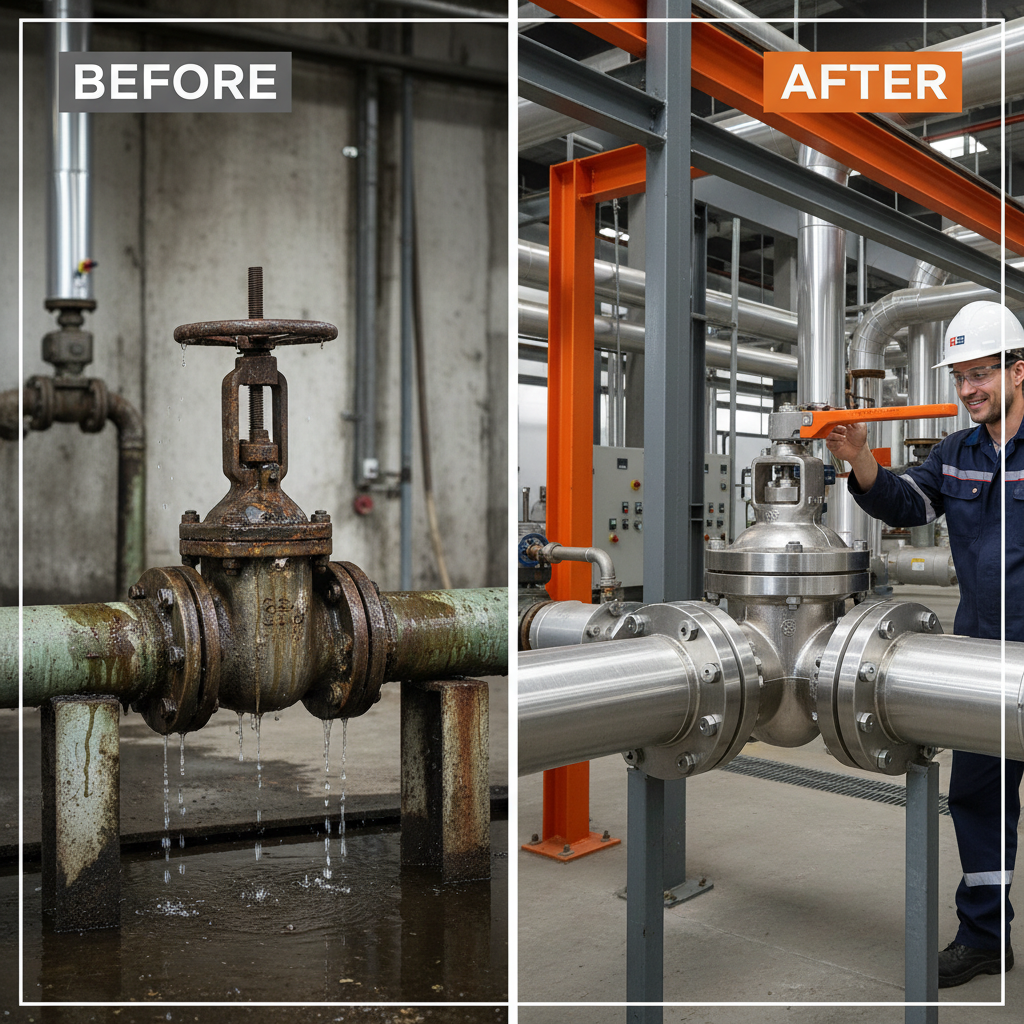
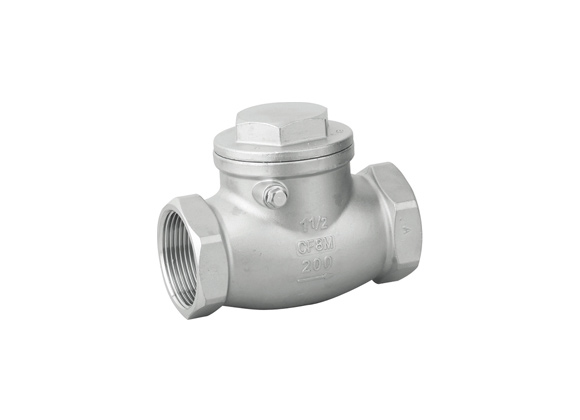
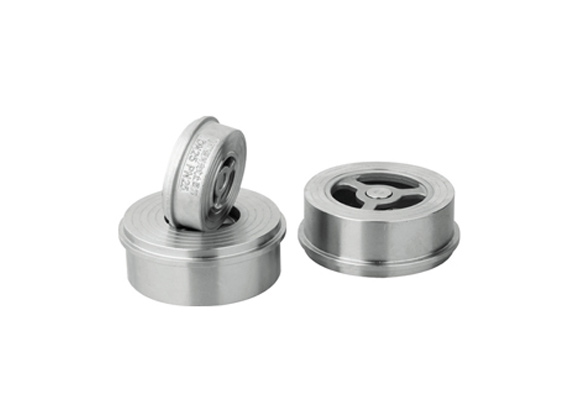
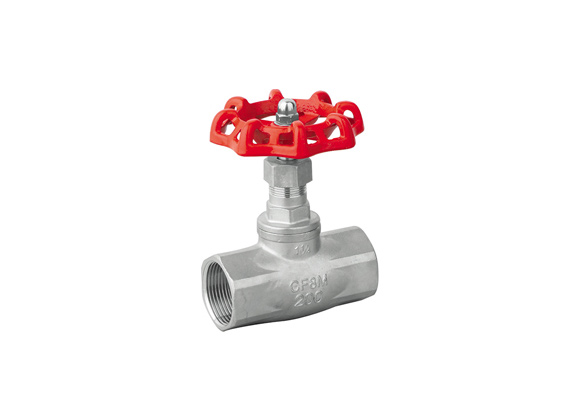
Valves come in a vast array of types, each designed for specific applications. Common categories include ball valves (for quick shut-off), gate valves (for flow regulation), globe valves (for precise flow control), check valves (preventing backflow), butterfly valves (compact and lightweight), and plug valves (similar to ball valves but with a cylindrical plug). The choice depends heavily on the fluid being controlled, the pressure requirements, and the operating temperature. Understanding these differences is crucial for successful valve sales and effective system design.
Key Consideration: Carefully assess your application's specific requirements before selecting a valve type. Mismatched valves can lead to inefficiency, damage, and safety hazards.
The material a valve is constructed from significantly impacts its performance and longevity. Common materials include stainless steel (corrosion resistance), carbon steel (strength and cost-effectiveness), brass (suitable for water and gas), and various plastics (chemical resistance and lightweight). For aggressive environments, specialized alloys like Hastelloy or Monel may be necessary. When considering valve sales, it’s important to specify the material based on the fluid properties, temperature, and pressure.
Material Comparison:
• Stainless Steel: Excellent corrosion resistance, high strength.
• Carbon Steel: Cost-effective, high strength, but susceptible to corrosion.
• Brass: Suitable for water and gas, good machinability.
• Plastics: Chemical resistance, lightweight, lower temperature/pressure limits.
When engaging in international valve sales, several factors come into play. These include import/export regulations, shipping costs, currency exchange rates, and potential tariffs. It’s crucial to work with a supplier who understands these complexities and can navigate the logistics effectively. Ensuring compliance with international standards (e.g., API, ANSI, DIN) is also vital for smooth import processes and reliable performance.
Ensuring quality is paramount when sourcing valves. Look for suppliers with robust quality control systems, including material testing, pressure testing, and visual inspections. Certifications like ISO 9001 demonstrate a commitment to quality management. Third-party inspection services can provide an independent assessment of product quality. Don't hesitate to request documentation, test reports, and references before committing to a purchase. Thorough quality control minimizes the risk of failures and ensures long-term reliability in your applications when conducting valve sales.
Choosing the right supplier is a critical step in successful valve sales. Look for suppliers with a proven track record, a wide product range, competitive pricing, and excellent customer service. Check their online reviews, request references, and consider visiting their facilities if possible. A supplier who can provide technical support, custom solutions, and timely delivery is invaluable.
Successfully navigating valve sales requires careful planning, a thorough understanding of your application requirements, and a reliable supply chain partner. By considering the factors outlined in this article, you can minimize risks, optimize costs, and ensure the long-term performance of your systems. Choosing a supplier committed to quality, service, and innovation is a strategic investment for your business.
Lead times for international valve orders can vary significantly depending on the complexity of the order, the supplier's production capacity, and shipping distances. Typically, lead times range from 4 to 12 weeks. It’s crucial to discuss lead times with the supplier upfront and factor them into your project schedule. Custom valves or large orders will generally have longer lead times. Reliable suppliers will provide realistic estimates and keep you informed of any potential delays.
Clearly specify your pressure requirements (both operating and test pressure) when placing your order. Confirm that the valves are rated for the intended pressure and temperature. Request pressure test certificates from the supplier to verify compliance. Ensure the valve materials are compatible with the fluid being handled at the specified pressure and temperature. It’s advisable to consult with a valve specialist to confirm the correct valve selection for your application.
Common payment terms for international valve transactions include Letter of Credit (LC), Telegraphic Transfer (TT), and Documentary Collection. LC offers the highest level of security for both parties, but it can be more complex and costly. TT is a simpler and faster method, but it carries more risk for the buyer. Documentary Collection involves the use of banks to handle the exchange of documents and payment. Negotiate payment terms with the supplier to find an arrangement that is mutually acceptable.
Immediately notify the supplier and the shipping company of any damaged valves. Document the damage with photographs and a detailed description. Retain all packaging materials for inspection. Follow the supplier's instructions for returning the damaged valves or filing a claim. A reputable supplier will promptly address the issue and provide a replacement or refund.
Related Products
 Call us on:
+86-311-86935302
+86-311-86935302
Call us on:
+86-311-86935302
+86-311-86935302
 Email Us:
info@thriveonvalve.com
Email Us:
info@thriveonvalve.com South of Huanmadian Village Town, Ningjin County, Xingtai, Hebei Province, China