Apr . 04, 2026 03:16
Valves are essential components in countless industrial processes, controlling the flow of fluids – everything from water and oil to gases and chemicals. Selecting the right valve for a specific application is crucial for efficiency, safety, and longevity. This article will explore the different types of valves, their applications, key considerations when choosing one, and the role Thrive on Valves plays in delivering high-quality solutions. We’ll delve into how proper valve selection can optimize your operations and minimize downtime.
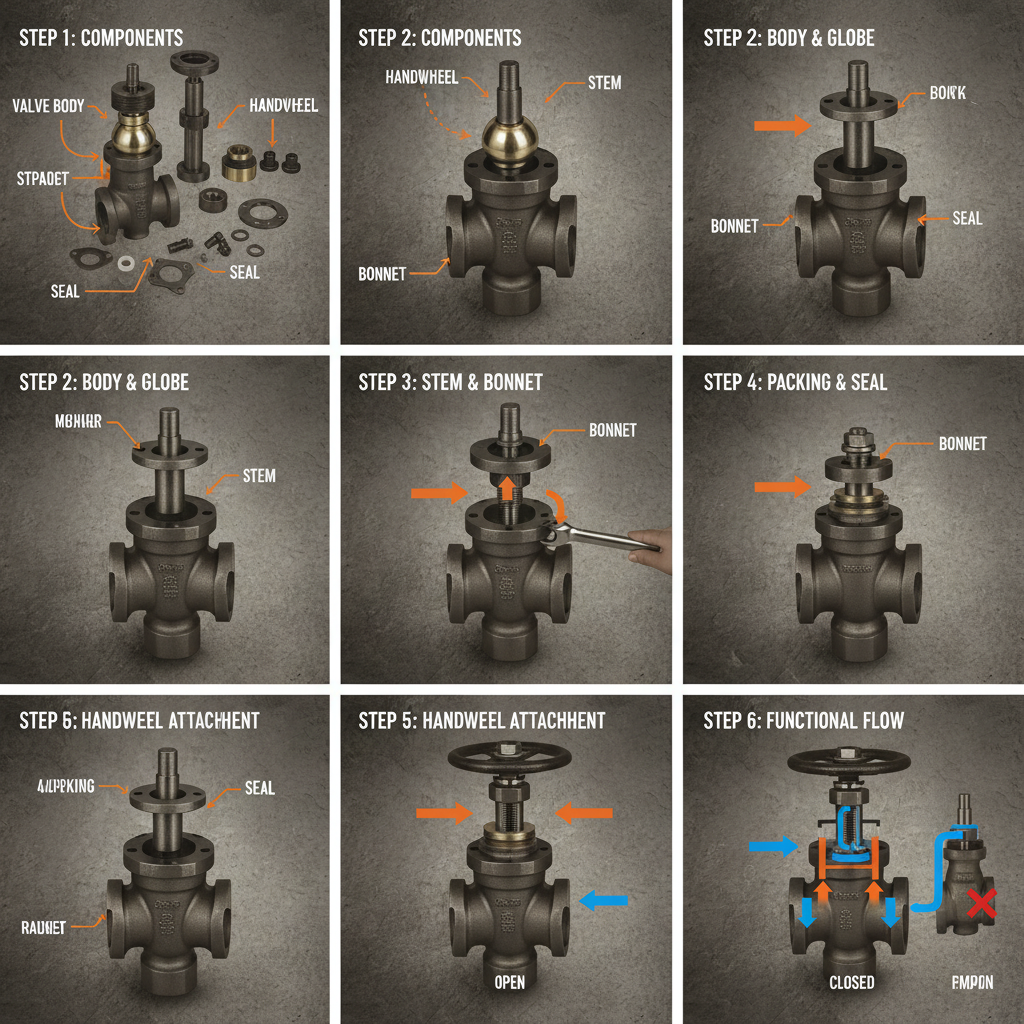
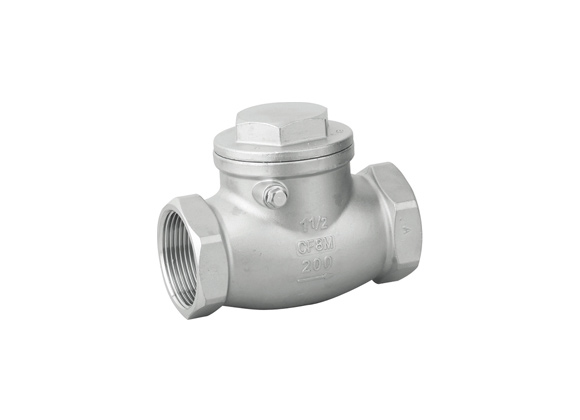
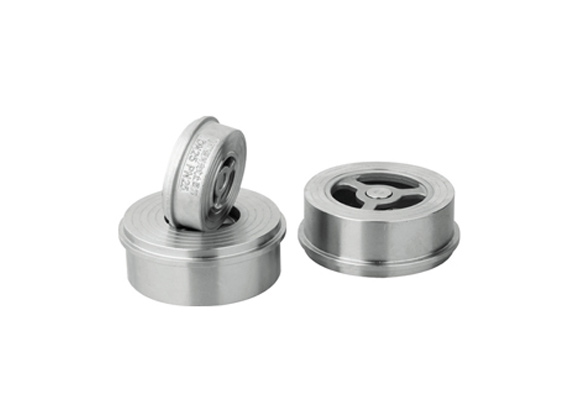
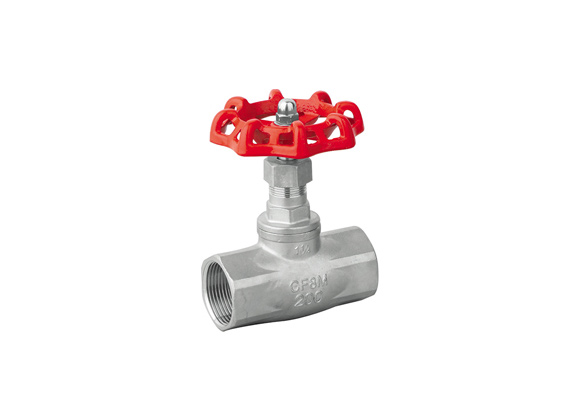
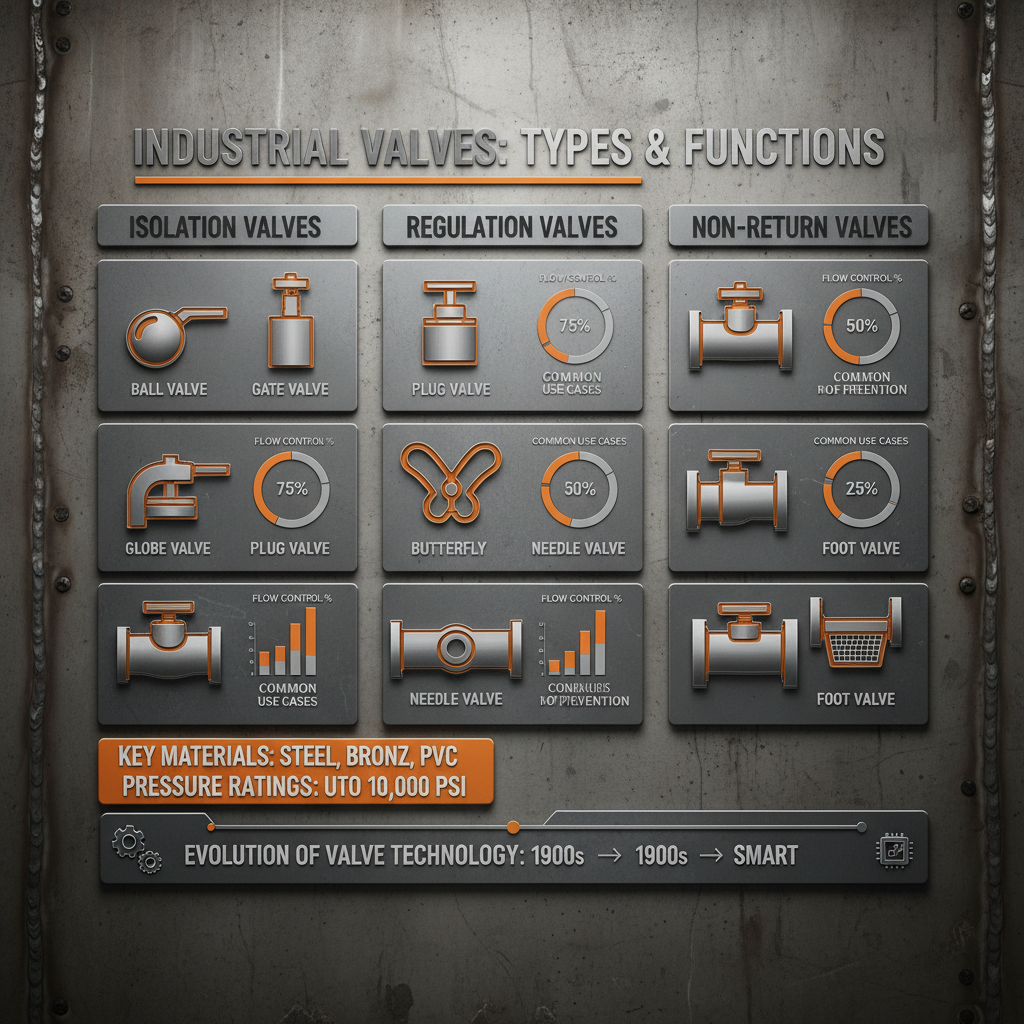
There's a wide variety of valves, each designed for specific purposes. Some common types include: Ball Valves, known for their quick on/off operation; Gate Valves, ideal for isolating flow; Globe Valves, used for regulating flow; Check Valves, preventing backflow; Butterfly Valves, offering lightweight and compact solutions; and Plug Valves, offering simple on/off control. Understanding the function of each type is the first step in selecting the right valve for your needs. Factors like the fluid being controlled, pressure requirements, and desired level of control all influence the choice. Thrive on Valves offers a comprehensive range of these valve types to meet diverse application demands.
Key Takeaway: Selecting the right valve type is paramount for efficient flow control and process optimization.
The material a valve is made from significantly impacts its performance and lifespan. Common materials include Stainless Steel, offering excellent corrosion resistance; Brass, suitable for water and low-pressure applications; Cast Iron, providing durability and cost-effectiveness; PVC and CPVC, ideal for handling corrosive fluids; and Alloy Steel, used in high-temperature and high-pressure applications. The chemical compatibility between the valve material and the fluid being controlled is vital to prevent corrosion and ensure long-term reliability. Thrive on Valves provides valves constructed from a variety of materials to suit different fluid types and operating conditions.
Material Selection Considerations:
• Chemical Compatibility
• Temperature and Pressure
• Cost-Effectiveness
• Required Lifespan
Valves are integral to various industries. In the Oil and Gas sector, they control the flow of hydrocarbons; in Water Treatment, they regulate water distribution; in the Chemical Processing industry, they manage corrosive fluids; and in Power Generation, they control steam and coolant flow. The specific demands of each industry dictate the type of valve, material, and specifications required. Thrive on Valves has a proven track record of supplying valves to a wide range of industries, ensuring reliable performance in demanding applications.
Valve pressure ratings are crucial for safe and reliable operation. They indicate the maximum pressure the valve can withstand. These ratings are typically expressed in PSI (pounds per square inch) or BAR. Valves must also comply with relevant industry standards, such as ANSI, ASME, and API, to ensure quality and safety. Choosing a valve with an appropriate pressure rating and adherence to recognized standards is essential. Thrive on Valves ensures all its products meet or exceed these industry standards.
Thrive on Valves is a trusted supplier of high-quality valves, offering a wide selection, competitive pricing, and expert technical support. We are committed to providing our customers with reliable solutions that meet their specific needs. Our dedication to quality, combined with our focus on customer satisfaction, sets us apart in the industry. From initial consultation to post-sales support, we’re here to help you find the perfect valve for your application.
Choosing the right valve is a critical decision that impacts the efficiency, safety, and longevity of your operations. Thrive on Valves provides a comprehensive range of high-quality valves, expert technical support, and a commitment to customer satisfaction. Contact us today to discuss your valve requirements and experience the Thrive on Valves difference.
Determining the correct valve size involves several factors, including flow rate, fluid velocity, and pressure drop. Accurate flow rate calculations are essential. Consult engineering data and consider the specific characteristics of the fluid being controlled. Using a valve that is too small can cause excessive pressure drop and cavitation, while a valve that is too large can lead to poor regulation and increased costs. Thrive on Valves’ experienced engineers can assist you in selecting the appropriate valve size for your application.
Regular inspection and maintenance are crucial for ensuring valve reliability and preventing unexpected failures. The frequency of inspection depends on the application and operating conditions. As a general guideline, valves should be inspected at least annually, and more frequently in harsh environments. Maintenance tasks include lubrication, cleaning, and checking for leaks or corrosion. Preventive maintenance can significantly extend valve lifespan and reduce downtime.
Automated valves offer several benefits, including improved process control, increased efficiency, and reduced labor costs. They can be integrated into automated systems, allowing for remote operation and precise control of fluid flow. Automated valves are particularly useful in applications requiring frequent switching or precise regulation. Thrive on Valves offers a range of automated valve solutions.
Related Products
 Call us on:
+86-311-86935302
+86-311-86935302
Call us on:
+86-311-86935302
+86-311-86935302
 Email Us:
info@thriveonvalve.com
Email Us:
info@thriveonvalve.com South of Huanmadian Village Town, Ningjin County, Xingtai, Hebei Province, China