
Understanding Different Types of Valves in Piping for Modern Infrastructure
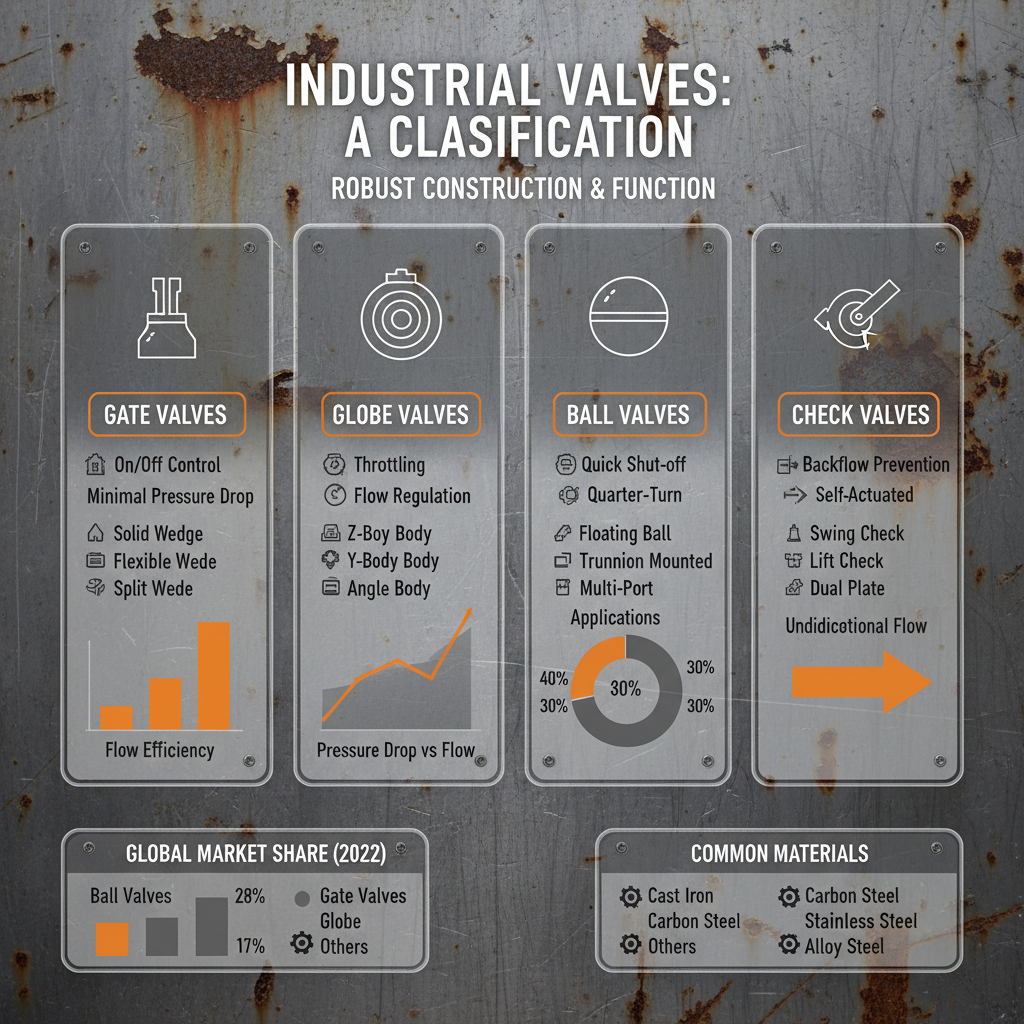
Different types of valves in piping are the unsung heroes of modern infrastructure, quietly controlling the flow of everything from water and oil to gas and chemicals. It’s a world most people don’t think about, but as someone who’s spent years on construction sites, wrestling with pipelines and troubleshooting systems, I can tell you getting these valves right is absolutely critical. A failure isn’t just an inconvenience; it can be a safety hazard, an environmental disaster, and a massive financial setback. Understanding the nuances of these components isn't just about engineering specs; it's about preventing downtime, ensuring public safety, and ultimately, building things that last. The demand for efficient and reliable piping systems is growing globally, driven by population increases, urbanization, and the need for resource management. According to the UN, global water demand is projected to exceed supply by 40% by 2030, and efficient water distribution networks – reliant on properly functioning valves – are key to mitigating this crisis. Furthermore, the ISO standards organization constantly updates guidelines for valve manufacturing and testing, reflecting the evolving need for stricter quality control and safety protocols.
Read more »


 By:Christopher Baker - April 23, 2026

 By:Charles Wilson - April 22, 2026

 By:David Thompson - April 17, 2026

 By:David Miller - April 8, 2026


 By:Michael Brown - April 3, 2026


 By:William Davis - March 27, 2026
 By:William Carter - March 25, 2026

 By:Michael Reynolds - March 20, 2026
 Call us on:
+86-311-86935302
+86-311-86935302
 Email Us:
info@thriveonvalve.com
 South of Huanmadian Village Town, Ningjin County, Xingtai, Hebei Province, China