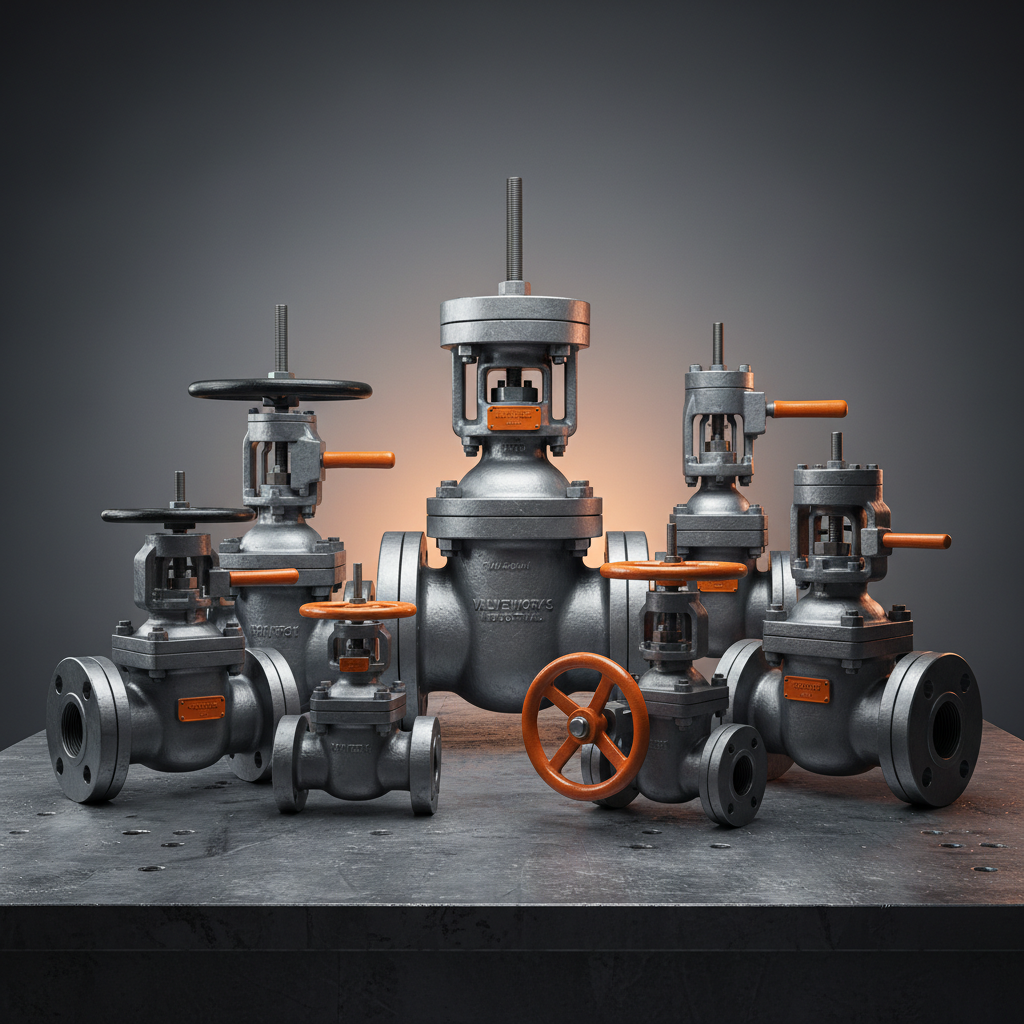
Securing a reliable flow control system often comes down to a critical balance between technical specification and budget allocation. When procurement managers evaluate butterfly valves price, they are rarely looking for the lowest number, but rather the lowest total cost of ownership over the valve's operational lifespan.
In industrial piping, the cost of a valve is inextricably linked to its material composition, sealing mechanism, and connection type. For instance, wafer-style configurations offer a distinct economic advantage due to their compact design and simplified installation process, which reduces both material usage and labor hours during setup.
This analysis examines the variables that drive pricing in the butterfly valve market and provides a framework for evaluating value against performance, ensuring that the selected hardware meets the rigorous demands of modern fluid control systems.


The wafer butterfly valve is engineered for efficiency. By utilizing a design that is sandwiched directly between two flanges, it eliminates the need for heavy integrated flanges or tapped lugs. This reduction in raw metal—whether cast iron or stainless steel—directly impacts the baseline production cost.
Beyond material savings, the simple structure allows for faster machining cycles. Because the valve does not act as a terminal point in a fluid system, its body remains slender, contributing to a more competitive price point without sacrificing the 90-degree rotational control essential for rapid opening and closing.
Several technical variables dictate the final cost of a butterfly valve. The first is the disc-to-seat interface. A resilient seat provides an excellent leak-proof seal for water and low-pressure applications, whereas high-performance metal seats are required for chemical processing or extreme temperatures, significantly increasing the price due to tighter machining tolerances and specialized alloys.
Actuation methods also introduce varied cost tiers. A manual lever is the most economical option, suitable for infrequent operation. However, the integration of pneumatic actuators or electric motors for automated flow control adds complexity to the assembly and requires additional calibration, raising the overall system expenditure.
Finally, the compliance with international standards—such as ANSI, DIN, or JIS—affects the cost of precision. Ensuring that a valve is truly interchangeable across global piping systems requires rigorous quality control and precision machining of the centering holes and face-to-face dimensions, adding a premium for guaranteed compatibility.
The true value of a wafer-type valve is often realized during the installation phase rather than the purchase phase. Traditional flange-type valves require extensive bolting and can be cumbersome to position, leading to higher labor costs and increased downtime.
The wafer design's ability to be secured with long bolts passing through both flanges and the valve body minimizes the need for dismantling large pipeline sections, effectively converting lower hardware costs into significant operational savings.
When considering the total expenditure, the speed of installation becomes a primary KPI. For large-scale projects like water treatment plants or HVAC systems, where hundreds of valves are deployed, the cumulative time saved by using the streamlined wafer connection can outweigh the initial price difference between valve types.
Material selection is the most influential factor in determining the price-to-performance ratio. Cast iron is typically the baseline for general utility, while ductile iron with epoxy coatings offers a balance of durability and cost for wastewater. Stainless steel represents the high end of the spectrum, essential for corrosive media but commanding a higher price.
To illustrate this, we can look at a relative value index where the "Value" represents a composite of durability, corrosion resistance, and initial cost. Higher indices indicate a better return on investment for specific demanding environments.
In a typical industrial setting, such as a municipal water supply line, the primary budget driver is the frequency of maintenance. Choosing a valve with a slightly higher initial price but a superior resilient seat can prevent costly leak-related shutdowns. For these applications, the focus shifts from the unit price to the "cost per year of service."
Conversely, in temporary installations or low-pressure HVAC systems, the economic priority is the immediate capital expenditure. In these scenarios, the wafer butterfly valve's inherent simplicity makes it the most logical choice, providing sufficient fluid control without the unnecessary cost of heavy-duty flanged ends.
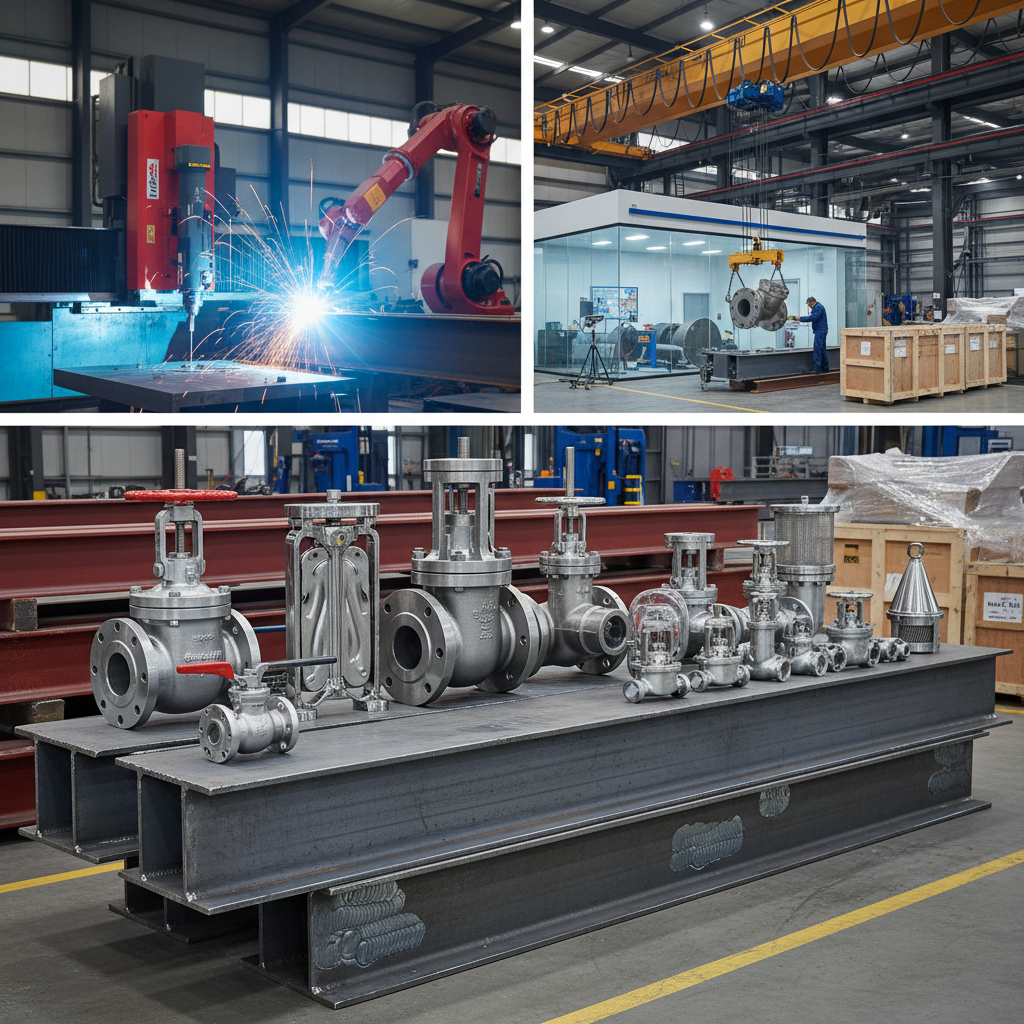
The landscape of valve manufacturing is shifting toward highly standardized, precision-machined components that reduce waste and lower costs. Manufacturers in Northern China, including Ningjin Thriveon, have optimized production by integrating CAD-driven design with automated machining, allowing for consistent dimensions across a wide range of sizes—from 1 inch to 24 inches.
This industrialization has led to a "democratization" of high-quality valves. Capabilities that were once reserved for premium-priced brands, such as strict pressure testing and compatibility with ANSI/DIN/JIS standards, are now integrated into standard product lines, offering global buyers better value.
Furthermore, the rise of customized actuator solutions means that buyers can now "modularize" their budget—purchasing a high-quality wafer body and pairing it with an actuator that matches their specific torque and stroke requirements, rather than paying for a pre-packaged, over-specified unit.
To avoid the pitfall of choosing based solely on the lowest quote, engineers should utilize a decision matrix that weighs technical requirements against budgetary constraints. The goal is to identify the "inflection point" where increasing the initial investment significantly reduces future operational risks.
Key considerations include the media type (potable water vs. chemicals), the expected cycle frequency, and the available installation space. A wafer valve is ideal for space-constrained environments, but its inability to be used as an end-of-line valve must be factored into the piping design to avoid costly mid-project modifications.
By analyzing the trade-offs between material durability, sealing technology, and installation speed, procurement teams can justify the selection of a valve that provides the best lifecycle value.
| Evaluation Factor | Low-Budget Option | Balanced Option | Premium Option |
|---|---|---|---|
| Body Material | Cast Iron | Ductile Iron (Epoxy) | Stainless Steel 316 |
| Seal Type | Standard EPDM | Reinforced PTFE | Metal-to-Metal |
| Actuation | Manual Lever | Pneumatic Actuator | Electric Smart Actuator |
| Installation Speed | Fast (Wafer) | Moderate (Lug) | Slow (Flanged) |
| Typical Application | HVAC / Basic Water | Wastewater / Industrial | Chemical / High Temp |
| Value Lifecycle | Short-term Saving | Optimized ROI | Maximum Durability |
The primary drivers are material composition (e.g., cast iron vs. stainless steel), the type of sealing seat (resilient vs. metal), and the actuation method. Additionally, the size of the valve and the strictness of the dimensional standards (ANSI, DIN, JIS) play significant roles in the final cost due to the amount of raw material and the precision of machining required.
Wafer valves are more economical because they lack integrated flanges or threaded lugs, reducing the total amount of metal used in production. Furthermore, their installation is simpler, as they are sandwiched between existing pipe flanges, which reduces the labor hours and hardware (bolts/nuts) required for a complete setup.
For non-corrosive, low-pressure water, cast iron offers the best budget value. For wastewater or moderately corrosive environments, epoxy-coated ductile iron provides a necessary upgrade in durability. For chemical processing or high-temperature steam, stainless steel is the only viable option, despite the higher initial price, as it prevents premature failure and costly replacements.
Yes, adding pneumatic or electric actuators increases the cost due to the additional hardware and the need for precision calibration. However, for large systems, this is often offset by the reduction in manual labor and the ability to integrate the valve into a centralized control system for better operational efficiency.
Absolutely. Selecting a valve based solely on the lowest initial price often leads to "hidden costs" such as frequent seal leaks, premature corrosion of the body, or misalignment during installation. These issues result in unplanned downtime and higher maintenance labor, which can quickly exceed the savings made during the initial purchase.
You should verify the face-to-face length, bolt circle diameter, and top flange dimensions. Ensuring the valve complies with your system's standard (e.g., ANSI 150 for the US or PN16 for Europe) is critical to avoid gaps or misalignment that would compromise the seal and potentially cause system failure.
Evaluating butterfly valves price requires a shift in perspective from "purchase cost" to "lifecycle value." The wafer configuration stands out as a highly efficient solution that blends reduced material costs with rapid installation, making it an ideal choice for diverse industrial applications.
By prioritizing a balance of material suitability, precision engineering, and installation efficiency, operators can ensure their flow control systems remain reliable and cost-effective. Whether sourcing from established manufacturers in Northern China or designing a global infrastructure project, the focus should always remain on the synergy between technical specification and long-term operational economy.

 Call us on:
+86-311-86935302
+86-311-86935302
 Email Us:
info@thriveonvalve.com
 South of Huanmadian Village Town, Ningjin County, Xingtai, Hebei Province, China