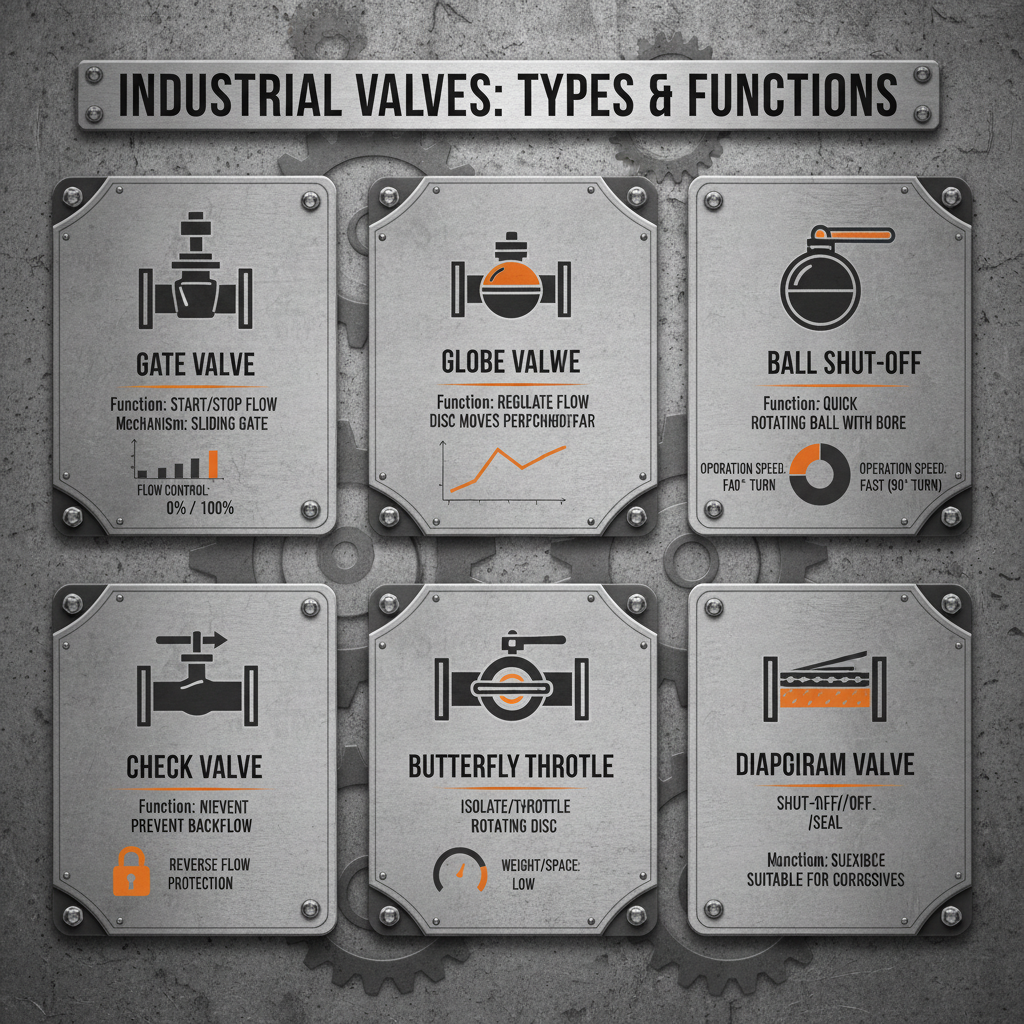
When procurement managers evaluate the 6 butterfly valve price, they are often navigating a complex intersection of material grades, sealing technologies, and operational pressure ratings. In the industrial valve manufacturing sector, the cost of a butterfly valve is rarely a static number; it is a reflection of the component's ability to withstand specific chemical aggressions and mechanical stresses. Understanding the variables that drive these costs is essential for maintaining pipeline integrity without overspending on unnecessary specifications.
The financial implications of valve selection extend far beyond the initial purchase. A lower upfront 6 butterfly valve price may lead to higher lifecycle costs if the material fails prematurely in a corrosive environment or if the sealing mechanism requires frequent replacement. For facilities utilizing a wide array of flow control solutions—including Ball Valve Flange Type, Check Valves Flanged End, and Flanged Globe Valves—ensuring a balanced synergy between valve type and medium is the primary driver of long-term ROI.
This analysis provides a technical deep dive into the factors influencing valve pricing and performance, specifically focusing on how high-grade stainless steel and precision engineering impact durability. By aligning procurement needs with actual system requirements, engineers can optimize their budgets. For those seeking professional-grade equipment, exploring the 6 butterfly valve price and technical specifications from experienced manufacturers is the first step toward system optimization.


A butterfly valve operates via a rotating disc that regulates flow, offering a compact design that significantly reduces the footprint compared to gate or globe valves. The primary cost drivers in the 6 butterfly valve price are the quality of the disc, the seat material, and the casting precision of the valve body. When the disc is engineered for minimal turbulence, the operational efficiency of the entire pipeline increases, reducing energy loss during high-volume transfers.
From a manufacturing perspective, the complexity of the sealing interface determines the valve's leak-proof capability. High-performance valves utilize specialized polymers or metal-to-metal seals to ensure zero leakage under extreme pressure. This precision machining is where a significant portion of the cost is allocated, as it requires tighter tolerances and rigorous testing to meet international standards for industrial flow control.
Material selection is the most impactful variable. For instance, the use of CF8, CF8M, or CF3M stainless steels ensures that the valve can resist oxidation and chemical erosion. These materials are essential for applications involving saline water or aggressive chemical solvents. The choice between these grades directly alters the 6 butterfly valve price, but the trade-off is a substantial increase in the mean time between failures (MTBF).
The critical insight for procurement is that the "cheapest" valve often becomes the most expensive due to downtime. A valve with a precision-engineered PTFE or R-PTFE sealing ring provides superior chemical resistance and lower friction, which minimizes the torque required for operation and extends the life of the actuator.
Furthermore, the connection type—whether flanged, threaded, socket welding, or butt welding—affects both the initial cost and the installation labor. Flanged ends allow for easier maintenance and replacement, which is vital for systems that require periodic cleaning or inspection, whereas welded connections are preferred for high-pressure, leak-critical environments where joint failure cannot be tolerated.
Precision engineering in valve manufacturing manifests as reduced pressure drops and eliminated turbulence. When a butterfly valve is designed with an optimized disc profile, the fluid velocity remains consistent, which prevents cavitation and erosion of the downstream piping. This technical superiority is a key differentiator in the 6 butterfly valve price, as it requires advanced casting and CNC milling processes.
To understand the impact of material and precision on durability, we can examine the relative performance metrics of different valve grades. Higher-grade stainless steel valves demonstrate significantly lower corrosion rates in aggressive media, which directly correlates to a lower total cost of ownership over a ten-year operational cycle.
In chemical processing plants, the priority is chemical compatibility and leak prevention. Here, stainless steel valves with PTFE seals are indispensable. The ability to handle acids and bases without degrading ensures that production lines remain contaminate-free. In these scenarios, the 6 butterfly valve price is justified by the risk mitigation it provides against hazardous leaks and environmental contamination.
Conversely, in municipal water treatment systems, the focus shifts toward longevity and resistance to chlorine-induced corrosion. Valves must withstand continuous operation and varying flow rates. The use of durable, corrosion-resistant alloys ensures that the infrastructure remains stable for decades, reducing the need for disruptive municipal excavations and replacements.
The industry is moving toward "smart" flow control, where sensors are integrated into the valve body to monitor flow rates and seal wear in real-time. This shift allows for predictive maintenance, where valves are replaced based on actual wear data rather than fixed schedules. This technological evolution will likely influence the 6 butterfly valve price by adding electronic components but reducing unplanned downtime.
Another plausible direction is the advancement of composite materials that combine the strength of metals with the lightness and corrosion resistance of advanced polymers. Such innovations could lead to valves that are easier to install and maintain while offering equal or superior performance in extreme temperatures.
Sustainability is also becoming a core driver. Manufacturers are focusing on reducing the carbon footprint of the casting process and increasing the recyclability of valve components. This focus on green manufacturing is expected to align with global environmental regulations, potentially altering the supply chain and pricing structures for high-end industrial valves.
One of the primary challenges in valve integration is the mismatch between nominal diameter and actual flow requirements. For example, using a full bore valve where a reducing bore is more appropriate can lead to unnecessary pressure drops. Understanding the specific dimensions, such as those found in the QSL1T-3 series, allows engineers to match the valve to the pipeline's hydraulic profile accurately.
Installation errors, such as improper torque on flanged connections, can lead to premature seal failure. This is often mistaken for a product defect, but it is typically an integration issue. Professional guidance on installation and alignment is critical to ensure that the valve performs according to its technical specifications throughout its intended lifecycle.
Finally, maintenance schedules often conflict with production goals. The transition toward modular valve designs, which allow for the replacement of the internal core without disturbing the surrounding pipeline, is a strategic solution to this problem. This reduces labor costs and minimizes the impact of routine maintenance on operational uptime.
| Application | Material Priority | Seal Requirement | Key Metric |
|---|---|---|---|
| Chemical Plant | CF3M / CF8M | PTFE / R-PTFE | Corrosion Rate |
| Water Treatment | Stainless Steel | EPDM / PTFE | Service Life |
| Oil & Gas | High-Grade Alloy | Metal-to-Metal | Pressure Rating |
| Food Grade | 316 Stainless | FDA Approved | Hygiene Std |
| Power Gen | Cast Steel | High-Temp Seal | Thermal Stability |
| General Ind. | CF8 / CF8M | Standard PTFE | Cost per Unit |
The price is primarily driven by material grade (such as CF8M vs. CF8), the type of sealing material used (PTFE vs. Metal), the precision of the casting, and the connection standard (Flanged vs. Welded). Higher-grade alloys and tighter machining tolerances increase the initial cost but significantly reduce the long-term maintenance expenses.
A reducing bore design, like that found in the QSL1T-3 ball valve, optimizes flow velocity in pipelines with diameter transitions. By controlling the flow path diameter, it helps maintain optimal pressure and minimizes turbulence, which protects downstream equipment from excessive wear and reduces energy consumption of the pumps.
CF3M and CF8M stainless steels are generally the best choices for corrosive environments due to their molybdenum content, which enhances resistance to pitting and crevice corrosion. When paired with PTFE seals, these materials provide a robust barrier against aggressive acids and solvents.
A 1pc ball valve is an integral design consisting of a single body, PTFE sealing ring, and nut. It is generally more compact and has fewer potential leak points than 2pc valves. However, 1pc valves are typically only available in reduced bore types due to the structural limitations of inserting the ball core into the body.
To reduce lifecycle costs, prioritize material compatibility over the lowest initial 6 butterfly valve price. Selecting a valve that resists the specific medium of your system prevents frequent replacements. Additionally, implementing a predictive maintenance schedule and ensuring correct installation torque can extend the service life of the seals.
Yes, valves manufactured to ANSI, BS, and DIN standards are designed for global deployment. Ningjin Thriveon specializes in exporting high-quality valves to the United States, Saudi Arabia, South Africa, and Italy, ensuring that all products meet the stringent regulatory and technical requirements of these markets.
Navigating the complexities of the 6 butterfly valve price requires a shift in perspective from initial expenditure to total lifecycle value. By understanding the technical interplay between material grades like CF8M, sealing precision, and application-specific requirements, procurement teams can avoid the hidden costs of premature failure. Whether managing a chemical plant or a water treatment facility, the priority must remain on mechanical resilience and flow efficiency.
Selecting a partner with deep engineering expertise ensures that every valve is matched to the system's actual demands. For those seeking durable and high-performance flow control solutions, visiting the professional resources at www.thriveonvalves.com can provide the technical support and product guidance necessary to optimize industrial pipeline performance and safety.

 Call us on:
+86-311-86935302
+86-311-86935302
 Email Us:
info@thriveonvalve.com
 South of Huanmadian Village Town, Ningjin County, Xingtai, Hebei Province, China