Email Us

High-Performance air operated butterfly valve Solutions for Ecuador Industrial Markets

Precision-engineered flow control systems designed to withstand the unique environmental challenges of the Ecuadorian industrial sector, from the Andean highlands to the coastal refineries.

High-Performance air operated butterfly valve Solutions for Ecuador Industrial Markets

We provide advanced industrial valve technology tailored for Ecuador's oil, gas, and mining sectors, ensuring maximum operational efficiency and leakage prevention in extreme terrains.

The Landscape of Industrial Flow Control in Ecuador

Analyzing the operational realities of valve manufacturing and application within the South American market.

In Ecuador, the industrial valve market is heavily influenced by the petrochemical and agricultural sectors. The humid coastal regions and the high-altitude Andean environments create a duality of corrosive challenges, necessitating a high-grade butterfly valve seal that can handle both saline air and drastic temperature fluctuations.

Many local plants still rely on aging infrastructure, where the transition to automation is critical. The demand for an air operated butterfly valve has surged as companies in Quito and Guayaquil seek to reduce manual intervention and improve safety protocols in hazardous gas transport.

Economic shifts toward sustainable mining and refined oil export have placed a premium on durability. Operators are moving away from generic fittings toward specialized butterfly pump valves to optimize fluid movement in slurry and chemical processing plants across the region.
Technical Evolution and Market Trajectory

From manual mechanical systems to intelligent pneumatic control in the Ecuadorian metal products industry.

Market Development History

Between 1990 and 2005, the Ecuadorian market was dominated by basic mechanical valves. The use of the threaded butterfly valve was common for small-scale plumbing and low-pressure water systems, offering simple installation but limited control for industrial scaling.

From 2006 to 2018, the oil boom drove a shift toward specialized gas handling. This period saw the widespread integration of the gas butterfly valve, which provided the necessary sealing integrity and rapid shut-off capabilities required for high-pressure pipeline safety.

Since 2019, the focus has shifted toward Industry 4.0. The integration of pneumatic actuators and digital sensors has turned simple flow control into an intelligent data-driven process, prioritizing low-maintenance materials and high-cycle longevity.

Future Development Trends

Smart Actuation Integration

The next 3 years will see a rise in IoT-enabled pneumatic systems that allow remote monitoring of valve positions and health diagnostics in real-time.

Advanced Polymer Sealing

Research is shifting toward nano-composite seals to replace traditional elastomers, significantly increasing the lifespan of the valve in acidic environments.

Hydrogen-Ready Infrastructure

As Ecuador explores green energy, valves are being redesigned to handle the molecular leakage challenges associated with hydrogen gas transport.

Future Trends and Strategic Outlook

Predicting the shift in valve technology based on regional industrial growth and global SEO search trends.

Predictive Maintenance
Shift toward AI-driven failure prediction for critical valve components to reduce unplanned downtime.
Eco-Friendly Materials
Implementing low-carbon steel and biodegradable sealants to meet new environmental regulations in South America.
Hyper-Automation
Integration of full pneumatic arrays for zero-touch flow management in refining processes.
Modular Design
Standardized component sizing for rapid replacement and reduced inventory costs for local distributors.

Industry Outlook

The future of valve manufacturing in Ecuador is inextricably linked to the modernization of the energy sector. As search trends indicate an increase in "automated flow control" and "high-pressure sealing," manufacturers must pivot toward high-precision engineering that reduces total cost of ownership (TCO).

We anticipate that within 5 years, the prevalence of manual valves will drop by 40% in favor of pneumatic and electric actuators, driven by the need for tighter emission controls and higher safety standards in the Amazonian basin operations.

Localized Application Scenarios in Ecuador

Proven implementation of butterfly valve technology across various Ecuadorian industrial environments.

01. Amazon Oil Basin Pipeline Control

Utilizing high-torque pneumatic actuators and a specialized gas butterfly valve to manage crude oil transport in high-humidity jungle environments, preventing leaks and ensuring rapid emergency shut-off.

02. Guayaquil Port Chemical Handling

Implementation of corrosion-resistant butterfly pump valves for transferring liquid fertilizers and industrial chemicals, where saline air requires reinforced external coatings.

03. Andean Mining Slurry Processing

Deploying heavy-duty valves with reinforced butterfly valve seal designs to handle abrasive mineral slurries in the highlands of Quito, reducing wear and tear from particulate matter.

04. Quito Municipal Water Infrastructure

Installation of the threaded butterfly valve for precise flow regulation in urban water distribution networks, allowing for easy maintenance and quick installation.

05. Agro-Industrial Processing Plants

Using air operated butterfly valve systems for automated cleaning-in-place (CIP) cycles in banana and shrimp processing plants to maintain strict hygiene standards.

Brand Story

Global Development History of Hebei Yingda Metal Pipe Industry Co., Ltd.

Foundational Excellence

Established with a focus on metallurgy, we began by solving basic leakage issues in industrial piping, setting a benchmark for durability in the metal products industry.

Technical Diversification

Expanded our portfolio from simple pipes to complex valve assemblies, integrating pneumatic technology to serve the growing automation needs of global clients.

Global Market Expansion

Strategically entered the South American market, adapting our engineering standards to meet the specific atmospheric and industrial requirements of countries like Ecuador.

Innovation Leadership

Invested in R&D for advanced sealing materials, solving the pain point of premature seal failure in highly corrosive gas and liquid environments.

Sustainable Future

Committed to green manufacturing and the development of zero-leakage valve systems to support the global transition toward carbon neutrality.

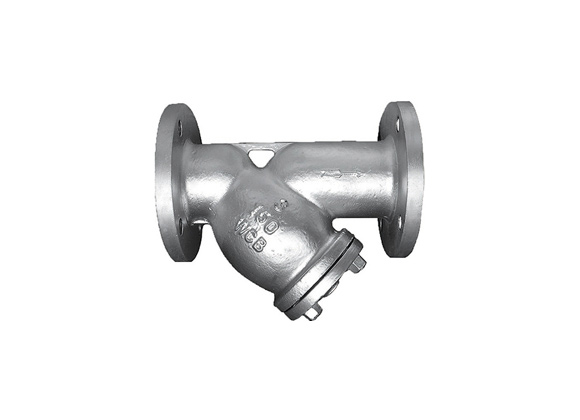
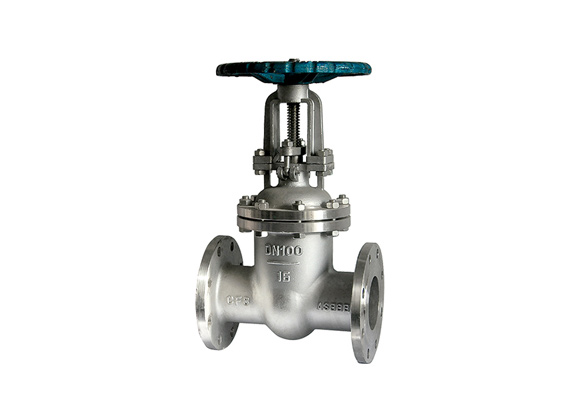
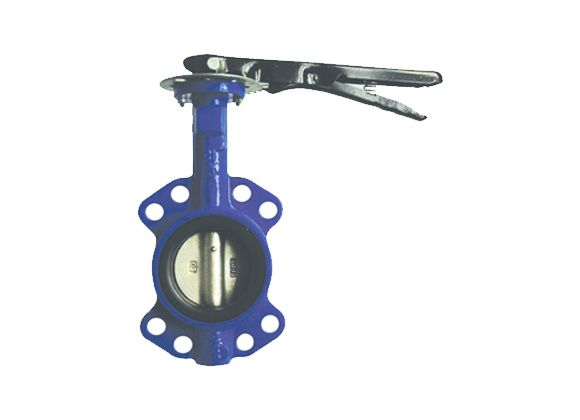
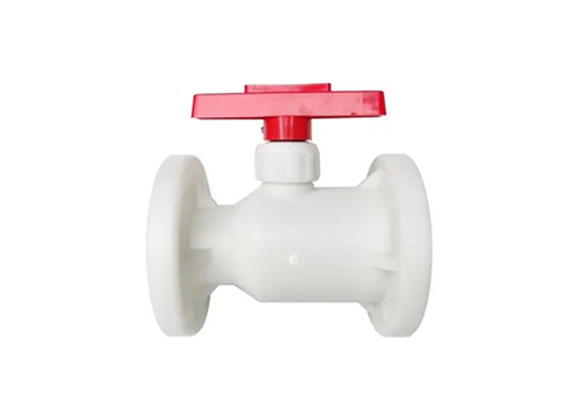
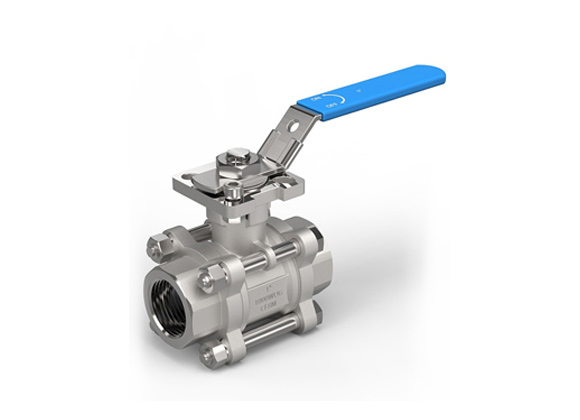
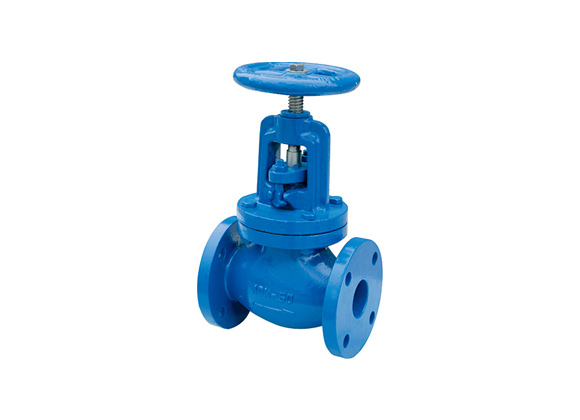
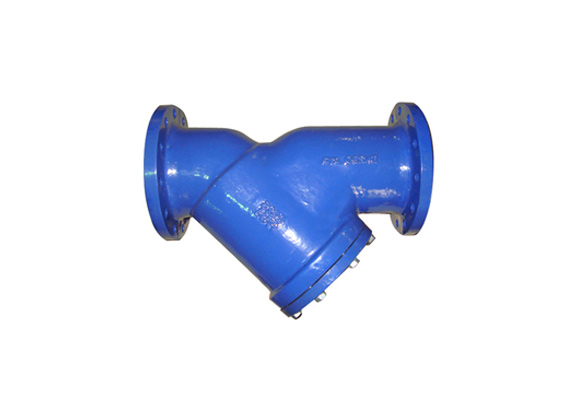
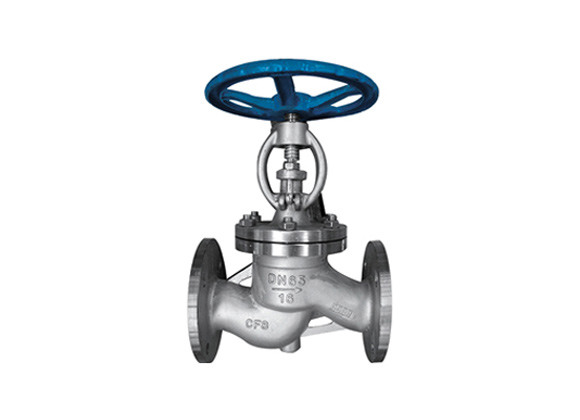
Comprehensive Valve Portfolio for the Ecuadorian Industrial Sector

A curated selection of high-performance flow control products designed for oil, gas, and water management.

Industrial Valve FAQs for Ecuador

Expert answers to the most common technical queries from our Ecuadorian partners.

What is the best butterfly valve seal for high-humidity coastal areas in Ecuador?

For coastal regions like Guayaquil, we recommend EPDM or Viton seals due to their superior resistance to salt-spray corrosion and ozone degradation, ensuring long-term airtightness.

How do I choose between a threaded butterfly valve and a wafer type for small piping?

Threaded valves are ideal for quick installation in low-pressure systems without needing expensive flanges, whereas wafer types are better for higher pressure ratings and ease of replacement.

Can an air operated butterfly valve be integrated with a PLC system?

Yes, by adding a solenoid valve and a limit switch box, our pneumatic valves can be fully integrated into any industrial PLC or SCADA system for remote automation.

What safety certifications are required for a gas butterfly valve in oil pipelines?

For gas transport, we ensure our valves meet API 609 and ISO 5211 standards, providing the necessary fire-safe certifications and pressure ratings for hazardous environments.

How often should butterfly pump valves be serviced in mining applications?

Due to the abrasive nature of mining slurry, we recommend a seal inspection every 6 months and a full actuator calibration annually to prevent operational failure.

Are these valves compatible with the high-altitude pressure changes in the Andes?

Absolutely. Our valves are pressure-tested to handle the atmospheric differentials found in the Andean highlands, ensuring no vacuum-induced leaks or actuator malfunctions.

Request a Technical Consultation

Our engineering team is ready to provide customized flow control solutions for your industrial projects in Ecuador.

Contact Us Now