Mar . 09, 2026 03:10
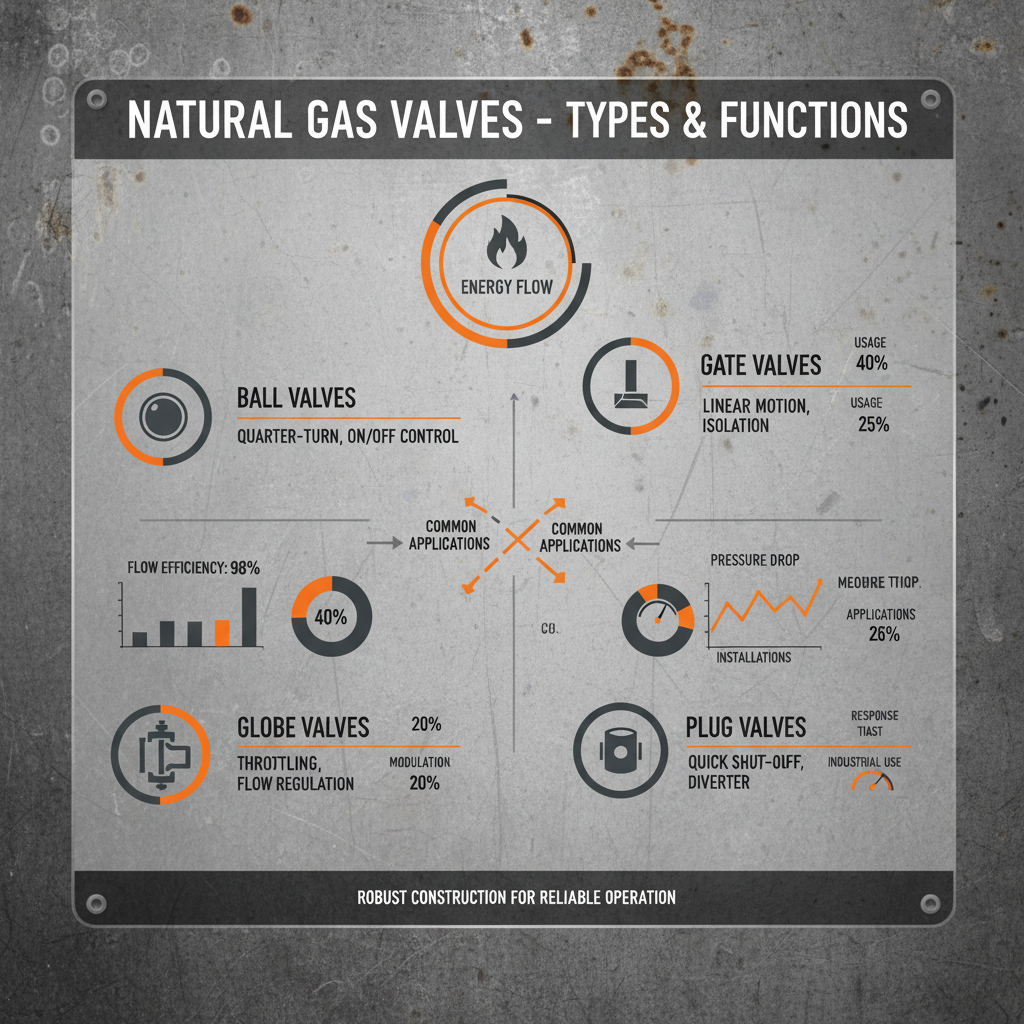
Natural gas valves are essential components in any gas distribution system, regulating and controlling the flow of gas safely and efficiently. Choosing the right valve type is crucial for optimal performance and safety. This article will explore the various types of natural gas valves available, outlining their features, applications, and benefits. Understanding these differences will enable you to make informed decisions for your specific needs. From ball valves to butterfly valves, we'll cover the key considerations for selecting the best valve for your project.
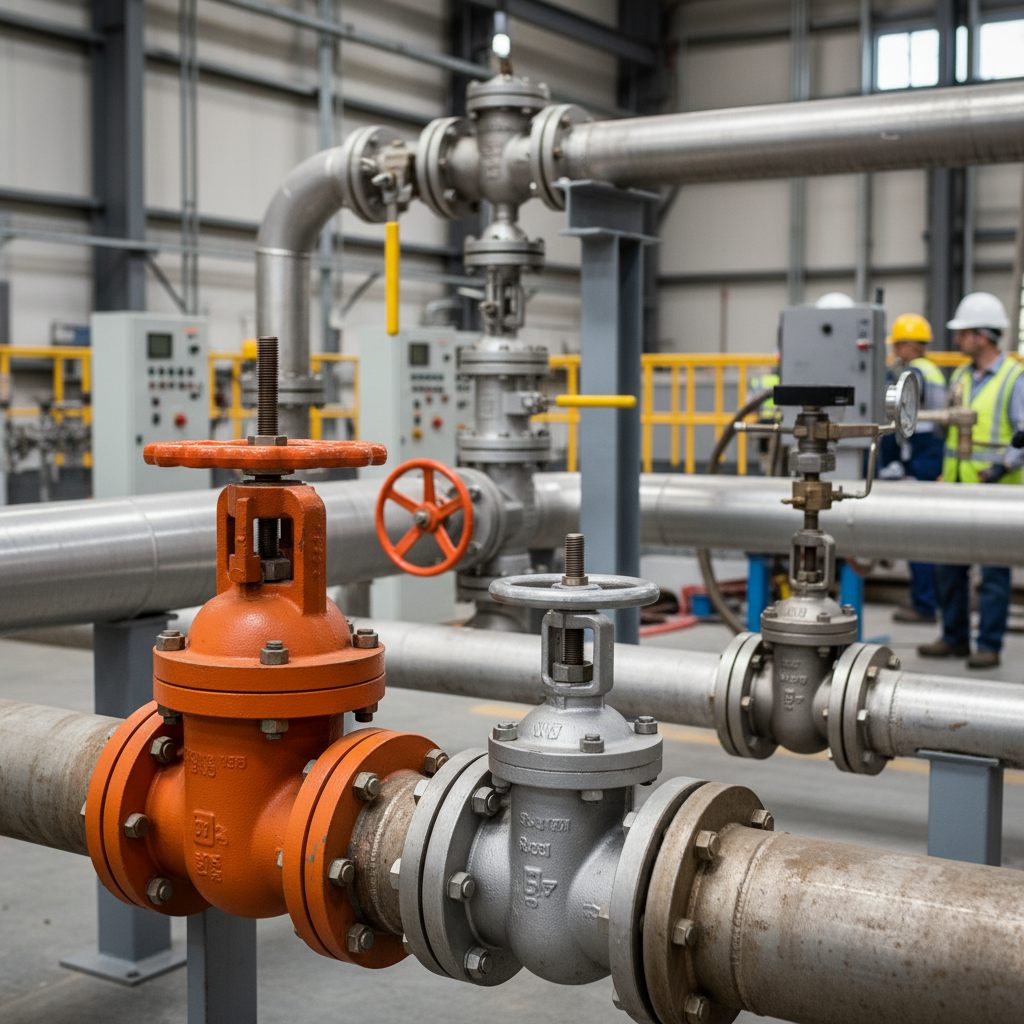
Ball valves are renowned for their quarter-turn operation and tight shut-off capabilities. They utilize a hollow, perforated ball to control gas flow. When the ball's hole aligns with the valve's inlet and outlet, gas flows freely. Rotating the ball 90 degrees closes the valve, completely stopping the gas flow. These valves are highly durable and require minimal maintenance, making them ideal for applications requiring infrequent operation. Thriveon Valves offers a comprehensive range of ball valves designed for natural gas applications.
Key Highlights: Quarter-turn operation, tight shut-off, minimal maintenance, durable construction.
Butterfly valves are frequently employed in large-diameter pipelines due to their lightweight design and efficient flow control. They consist of a disc that rotates within the valve body to regulate gas flow. Unlike ball valves, butterfly valves don’t offer a completely tight shut-off, but they provide excellent throttling capabilities. They are cost-effective and easy to install, making them a popular choice for various industrial applications. When selecting butterfly valves, consider the pressure drop and leakage requirements of your system.
Butterfly Valve Benefits:
• Lightweight and compact design
• Cost-effective solution
• Excellent throttling capabilities
• Easy to install
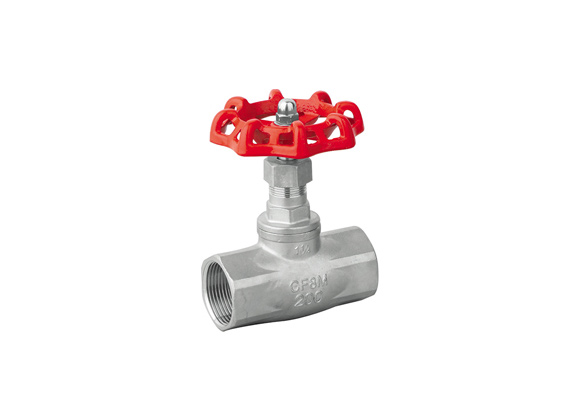
Globe valves are designed for precise flow regulation and control. They feature a disc that moves perpendicular to the flow, allowing for accurate throttling. While they offer superior control, globe valves typically have a higher pressure drop compared to ball or butterfly valves. They are commonly used in applications requiring frequent adjustments to gas flow, such as pilot plant operations or laboratory settings.
Choosing the right valve depends on the specific requirements of your application. Here’s a comparison of the key features of different natural gas valve types:
Besides the main types discussed above, other specialized natural gas valves include:
Choosing the appropriate natural gas valve is paramount for ensuring the safety, efficiency, and reliability of your gas distribution system. Factors such as flow rate, pressure requirements, shut-off needs, and budget should all be considered. Thriveon Valves provides a wide selection of high-quality natural gas valves to meet your specific needs. Our expert team is available to assist you in selecting the best valve for your application.
Natural gas valves are typically constructed from materials compatible with natural gas, such as carbon steel, stainless steel, brass, and various polymers. Carbon steel is often used for its strength and cost-effectiveness, while stainless steel provides superior corrosion resistance. The specific material selection depends on the operating pressure, temperature, and gas composition. The valve's seals are crucial, and materials like PTFE (Teflon) are frequently used for their excellent sealing properties and chemical resistance. Ensuring material compatibility is essential to prevent leaks and maintain valve integrity.
Regular inspection of natural gas valves is crucial for ensuring safety and preventing leaks. Inspections should be conducted at least annually, or more frequently in harsh environments. During inspection, check for any signs of corrosion, damage, or wear on the valve body, seals, and actuator. Operate the valve to ensure smooth operation and verify the absence of leaks using a gas leak detector. Keep detailed records of all inspections and maintenance activities. Following a regular inspection schedule will help identify potential issues before they escalate into safety hazards.
Working with natural gas valves requires strict adherence to safety protocols. Always depressurize the system before performing any maintenance or repairs. Use appropriate personal protective equipment (PPE), including safety glasses and gloves. Ensure adequate ventilation to prevent the accumulation of gas. Never use open flames or sparks near natural gas valves. Be aware of the location of gas shut-off valves and emergency procedures. If you suspect a gas leak, evacuate the area immediately and contact the gas company or emergency services. Prioritizing safety is paramount when working with natural gas systems.
Related Products
 Call us on:
+86-311-86935302
+86-311-86935302
Call us on:
+86-311-86935302
+86-311-86935302
 Email Us:
info@thriveonvalve.com
Email Us:
info@thriveonvalve.com South of Huanmadian Village Town, Ningjin County, Xingtai, Hebei Province, China