
Stainless Steel Y Strainer and 4 inch sluice valve price Guide
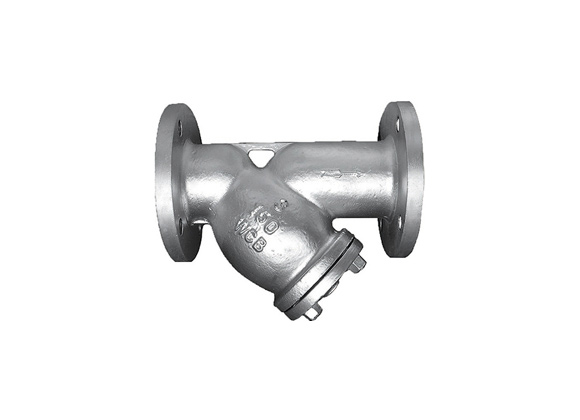
When managing high-flow fluid systems, protecting downstream precision equipment from particulate contamination is a critical operational priority. The GSD-1 Stainless Steel Flanged Y-Type Strainer provides a robust mechanical barrier designed to intercept solid impurities before they can reach pumps or control valves. For engineers and procurement specialists evaluating the 4 inch sluice valve price or related inflow control components, understanding the synergy between filtration and valve longevity is key to reducing total cost of ownership. This high-performance strainer utilizes a precision-engineered mesh to maintain fluid purity without inducing excessive pressure drops, ensuring that critical industrial processes remain uninterrupted and efficient.

Technical Architecture of the GSD-1 Stainless Steel Flanged Y-Type Strainer
The GSD-1 series is engineered for durability and ease of integration within complex piping networks. Constructed from high-grade stainless steel, the body is specifically designed to resist corrosion and withstand mechanical stress in demanding environments. The "Y" configuration allows the fluid to flow through a diverted path where the filter cartridge captures debris, while the clean filtrate continues toward the outlet. This design is particularly effective for removing small solid particles that could otherwise cause abrasion or blockage in downstream machinery.
One of the standout technical features is the flanged connection system. By adhering to international standards such as ASME, DIN, and BS, the GSD-1 ensures a leak-proof seal and straightforward installation. Unlike threaded options, the flanged ends provide superior structural stability under high-pressure conditions, making it an ideal choice for heavy-duty industrial applications where system integrity is non-negotiable. The use of stainless steel not only enhances the lifespan of the component but also ensures compatibility with a wide range of corrosive media.

Optimizing Industrial Fluid Systems Through Advanced Particulate Filtration
Integrating a stainless steel Y-strainer into a fluid system acts as a primary insurance policy for expensive assets. In sectors like chemical processing and power generation, even microscopic debris can lead to catastrophic pump failure or valve leakage. The GSD-1 minimizes these risks by capturing particles at the entry point. By reducing the wear and tear on moving parts, the strainer significantly extends the service intervals of connected equipment, thereby lowering operational expenditures.
Maintenance efficiency is where the GSD-1 truly excels. In many industrial setups, downtime is the most significant cost driver. The design of this strainer allows the filter cartridge to be removed, cleaned, and re-mounted without the need to dismantle the entire piping assembly. This streamlined maintenance process ensures that filtration efficiency is restored quickly, maintaining peak flow rates and system pressure without requiring extensive labor or prolonged plant shutdowns.
Critical Application Scenarios: From Water Treatment to Chemical Processing
The versatility of the GSD-1 makes it indispensable across diverse industrial landscapes. In municipal and industrial water treatment plants, it serves as a pre-filtration stage for reverse osmosis units and chemical dosing systems, ensuring that the water quality meets strict regulatory standards. The corrosion-resistant stainless steel body is essential here, as it prevents the strainer itself from becoming a source of contamination in potable water lines.
In the chemical processing industry, where fluids can be highly aggressive, the GSD-1 provides a frontline defense. Whether handling acids, alkalis, or solvents, the material integrity of the stainless steel construction prevents chemical attack and mechanical failure. Procurement managers often prioritize these units for their ability to maintain production integrity in high-pressure environments, ensuring that reactors and sensitive control valves are protected from particulate-induced damage.
Technical Specifications and Dimensional Analysis
| Nominal Size (DN) | Face-to-Face (L) | Flange Outer Dia (D) | Pressure Class |
|---|---|---|---|
| 2" (50mm) | 203 mm | 152 mm | 150Lb (2.0Mpa) |
| 3" (76mm) | 241 mm | 190 mm | 150Lb (2.0Mpa) |
| 4" (100mm) | 292 mm | 229 mm | 150Lb (2.0Mpa) |
| 6" (150mm) | 406 mm | 279 mm | 150Lb (2.0Mpa) |
| 12" (300mm) | 698 mm | 483 mm | 150Lb (2.0Mpa) |
Strategic Selection Criteria for Industrial Strainers
Selecting the correct strainer requires a balance between filtration precision and flow dynamics. The first consideration is the inlet and outlet diameter; for optimal performance, the strainer diameter should generally match the pipe diameter to avoid unnecessary turbulence or pressure drops. Engineers must also evaluate the mesh size—too fine a mesh may lead to frequent clogging and pressure spikes, while too coarse a mesh may allow harmful particles to pass through.
Material compatibility is equally vital. While stainless steel is the gold standard for corrosion resistance, other materials like carbon steel or cast iron may be appropriate for non-corrosive, high-strength applications. When procuring these components, it is essential to verify that the strainer's pressure rating (e.g., Class 150 or PN16) aligns with the maximum operating pressure of the system to prevent structural failure or leaks at the flanged joints.
Ensuring Long-Term Reliability through Quality Assurance
The reliability of a filtration system is only as good as its manufacturing quality. High-standard strainers undergo rigorous pressure testing to ensure there are no casting defects or leak paths in the flanged connections. For companies exporting to stringent markets like the United States, Saudi Arabia, and Italy, compliance with API and ANSI standards is not just a preference but a requirement. This ensures that every unit delivered can withstand the thermal and mechanical stresses of industrial operation.
Looking forward, the trend in industrial inflow control is shifting toward "smart" maintenance, where pressure differentials are monitored to signal exactly when a strainer requires cleaning. By integrating the GSD-1 into a well-planned maintenance schedule, operators can avoid unplanned downtime. Investing in high-quality, precision-manufactured strainers today reduces the lifecycle cost of the entire fluid system, providing peace of mind and operational stability.
Frequently Asked Questions About Industrial Y-Type Strainers
How do I select the appropriate mesh size for my strainer?
Mesh selection depends on the size of the particles you need to remove and the viscosity of the fluid. You should choose a mesh that is small enough to protect your downstream equipment but large enough to avoid excessive pressure drops and frequent cleaning cycles.
What is the main difference between SS and WCB body strainers?
The primary difference is the material. SS (Stainless Steel) provides superior corrosion resistance, making it ideal for chemicals and water treatment. WCB (Cast Carbon Steel) offers high mechanical strength and is typically used for oil, gas, and non-corrosive industrial fluids.
Can these strainers be installed in any orientation?
While they can be installed in various positions, it is generally recommended to install the Y-leg pointing downwards. This allows gravity to help collect debris in the filter basket and makes the removal of the cartridge for cleaning much simpler.
Do all GSD-1 strainers undergo pressure testing?
Yes, every unit undergoes a rigorous pressure test before shipment to ensure there are no leaks and that the body can withstand the rated operating pressure, ensuring safety and reliability upon installation.
How often should the filter cartridge be cleaned?
Cleaning frequency depends on the particulate load of your fluid. We recommend monitoring the pressure drop across the strainer; once the differential pressure reaches a specific threshold, the cartridge should be removed and cleaned.
Are the flanged connections compatible with international standards?
Yes, the GSD-1 strainers are manufactured to meet ASME, DIN, and BS standards, ensuring they can be easily integrated into global piping systems using standard bolts and gaskets.
Technical References and Industry Standards
- ASME - American Society of Mechanical Engineers
- ANSI - American National Standards Institute
- ISO - International Organization for Standardization
- API - American Petroleum Institute
For procurement professionals and engineers seeking high-durability filtration solutions, the GSD-1 SS Body Flanged Y Type Strainer offers the perfect balance of corrosion resistance and mechanical strength. By prioritizing precision manufacturing and international standards, Ningjin Thriveon ensures your industrial fluid systems remain protected and efficient.
Related Industrial Valve and Filtration Solutions


 Call us on:
 Email Us:
 South of Huanmadian Village Town, Ningjin County, Xingtai, Hebei Province, China